
how to spot a wig with 7 subtle signs stylists use to tell real hair from fake
Practical guide: how to spot a wig and learn the subtle cues professionals use
Discovering whether hair is natural or a constructed piece takes a mix of observation, gentle touch and understanding of wig-making techniques. If you've ever wondered how to spot a wig like a stylist, this guide breaks down subtle indicators and practical checks used behind the chair. The goal is to teach you respectful, non-invasive ways to evaluate hair authenticity while improving your eye for texture, movement and hairline realism.
Why learning to detect a wig matters
Knowing how to spot a wig can be useful in many scenarios: styling for photoshoots, costume design, vintage or theatrical work, resale authentication, or simply satisfying curiosity. Professionals rely on a combination of visual cues and tactile tests that most casual observers miss. Below you'll find seven refined signs stylists use, each explained with practical steps, common variations and DIY-friendly tips to practice on mannequins or with consented friends.
Overview of the 7 stylist-tested cues
- Hairline and parting realism — the way hair emerges from the scalp or lace.
- Root behavior and tapered ends — how strands taper and how roots look near the scalp.
- Movement and gravity — the way the hair falls, snaps back and responds to wind or motion.
- Density distribution and layering — whether volume is evenly distributed or unnaturally full in zones.
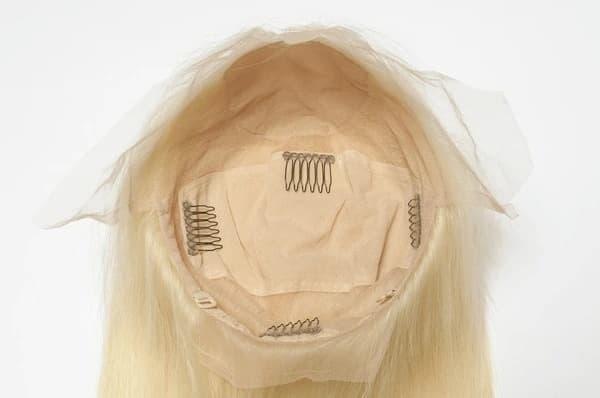
- Scalp and cap visibility — subtle glimpses of lace, mesh, or cap components.
- Color consistency and dye patterns — uniformity of color and the presence of unnatural gradients.
- Attachment signs and mechanical indicators — combs, clips, tape residue, or stitch lines.
Sign 1 — Hairline and parting: the crown giveaway
How to spot a wig begins with the hairline. A genuine hairline often shows micro irregularities, baby hairs, slight asymmetry and natural recession patterns. Wigs, even high-end ones, sometimes exhibit a uniform edge where hair density abruptly changes. When evaluating a part, look for scalp translucency and depth. A believable part often shows variations in scalp tone and light reflection, while a lace front (even when ventilated) can reveal a grid or uniformly spaced knots on very close inspection. Tips: use indirect light, observe from multiple angles, and check for perfect symmetry — perfection often signals imitation.
Practical checks
- Look for tiny hairs along the forehead: are they the same length and density everywhere?
- Tilt the head forward slightly: does the hairline move naturally or look glued?
- Inspect the part: does the scalp color shift under different lights?
Sign 2 — Root behavior and strand taper
Natural hair typically has natural tapering — a thin end and often slightly irregular thickness along the strand. Many synthetic fibers or poorly ventilated wigs have bluntly cut tips or uniform thickness. Additionally, natural roots can show finer new growth and variation in pigment; wigs might have uniform color from root to tip unless specially highlighted. To practice how to spot a wig by roots, examine hair under strong light: real hair often reveals a subtle root-to-tip gradient and microscopic irregularities in strand diameter.
Tools and magnification
Use a loupe or smartphone macro lens if available. Real hair often shows a cuticle pattern under magnification; synthetic fibers appear smooth and plastic-like.
Sign 3 — Movement, bounce and gravity response
One of the most reliable cues is movement. Human hair has weight, elasticity and a characteristic snap when flicked. Real hair responds with a natural fall and subtle lag; high-quality wigs can mimic this but often reveal an almost uniform motion across the whole head, lacking the micro-layers that real hair shows. To test, gently toss a small section or observe how the hair falls when the wearer moves. Does it part and settle inconsistently (like natural hair), or does it return to a predetermined shape quickly (a sign of heat-set synthetic fibers or memory wefts)?
Quick movement tests
- Ask the model to shake their head; watch the crown for separation movement.
- Observe at different speeds: natural hair shows variable lag and micro-flutter.
- Wind test: a breeze separates natural strands more randomly than wig fibers.
Sign 4 — Density and layering patterns
Many wigs are made to look voluminous, which can create overly uniform density, especially at the mid-lengths. Natural hair often has thinner density near the part and crown; layers vary by personal haircut. Pay attention to how volume sits near the temples and nape. An unnaturally even thickness from roots to ends can indicate constructed density or added wefts. When learning how to spot a wig, compare density in areas like behind the ear or at the nape where wigs sometimes fail to mimic natural thinning.
Stylist layering insights
Professional stylists blend layers to hide cap edges and mimic growth patterns. If you can see a sudden shift in volume when lifting a segment, that may be a wig cap edge or a weft line disguised beneath styling.
Sign 5 — Scalp look and cap cues
Even the best lace fronts and monofilament tops have telltale signs: slightly different sheen, knot shadows, or a faint mesh texture. When assessing scalp realism, pay attention to how light reflects off the scalp area. A real scalp shows variable oil and pore sheen; a wig base tends to have uniform matte or consistent shine depending on material. Inspect behind the ear or under layers where lace meets hair — subtle lines or attachment points can reveal a cap. Remember that many modern human-hair wigs are very convincing, so this is a more advanced cue.
Non-invasive observation tips
- Observe from multiple distances; some artifacts only appear up close.
- Note faint color mismatch between "scalp" and actual skin.
- Check for perfect replication of hair follicles: real follicles are irregular.
Sign 6 — Color, highlights and dye patterns
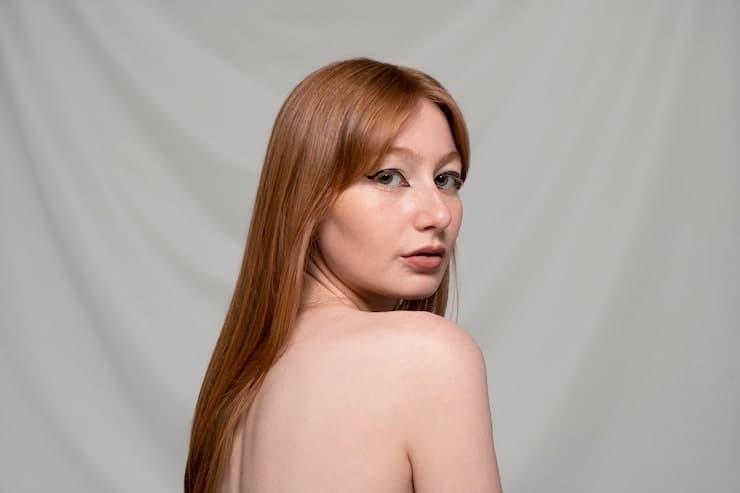
Color uniformity is a double-edged clue. Perfectly consistent shade from root to tip suggests synthetic processing or single-batch dyeing. Real multi-tonal hair usually displays subtle variation, highlights from sun exposure, and slight root regrowth. Pay attention to the way highlights are placed: natural highlights usually follow sun exposure patterns and are softer, while manufactured highlights can look stripey or evenly spaced. When practicing how to spot a wig, examine strands under natural light to identify unnatural uniformity or overly regular streaking.
Color-check tips
- View hair under both natural and warm indoor lighting.
- Look for abrupt color banding which indicates dye lots or heat-treated fiber.
- Inspect the underside and inner layers for unmatched color.
Sign 7 — Mechanical details and attachment indicators
Finally, small mechanical signs can give away a wig: tiny combs sewn inside, clip outlines, tape residue, or the shape of a wig cap under tension. The way hair sits around the ears and neckline can reveal a cap edge if the hair doesn’t separate naturally at the skin. In theatrical or medical settings, adhesives and tape are used and can occasionally leave faint marks or stiffness at the edge. To safely assess this, use visual checks rather than touching someone without permission. Learning how to spot a wig ethically means prioritizing consent and subtle observation.
Subtle indicators to watch
- Small, repeating stitch lines near the nape or around ears.
- Tension at the crown that causes unnatural smoothness.
- Unusual scent: synthetic fibers or adhesives sometimes have a faint manufactured smell.
Putting the steps together: a quick stylist checklist
How to spot a wig like a pro can be reduced to a simple, respectful sequence: 1) Visual scan of hairline and part; 2) Examine strand tips and root uniformity; 3) Test movement with consent; 4) Check density, especially at the temples and nape; 5) Inspect scalp appearance; 6) Assess color patterns under varied light; 7) Look for mechanical attachments or cap outlines. This checklist helps prioritize non-invasive checks and reduces false positives.

When to suspect a wig and when not to
High-quality human-hair wigs and professionally styled pieces are increasingly indistinguishable in day-to-day encounters. Instead of making assumptions, use your observations as a guide for context-sensitive decisions — for styling choices, photography prep, or repair work. Remember that many people wear wigs for medical or personal reasons; approach the subject with sensitivity and discretion.
Tools, training and practice recommendations
Improving your ability to identify wigs takes practice. Recommended tools: a macro lens attachment for close observation, varied light sources, and reference images of known wigs and natural hair. Training exercises include comparing mannequin heads with different cap constructions, attending wig-making workshops, and practicing the checklist on consenting clients or collaborators. For stylists, mastering wig ventilation patterns and knot types (single knot, double knot, bleached knot) provides deeper insight into construction and realism.
Ethical considerations
Always respect privacy. Never physically inspect someone's hair without permission. If you work in industries where identifying wigs is part of your role (theatre, cosmetology, hair restoration), obtain consent and be transparent about your purpose.
SEO-focused wrap-up and final tips
To recap, the most reliable cues that help you how to spot a wig are hairline authenticity, root taper, natural movement, density variation, scalp realism, color irregularities and attachment traces. Use a combination of these indicators rather than relying on a single sign to avoid misidentification. For online content or social sharing, emphasize respectful language and accurate terminology like "lace front", "monofilament", "weft", "cap construction" and "ventilation" to improve clarity and search relevance.
Quick glossary (useful SEO terms)
- Monofilament — a breathable top that mimics scalp.
- Lace front — lace used at the hairline for realism.
- Weft — sewn hair tracks creating volume.
- Bleached knot — lightened knot to hide ventilations.
Whether you're a stylist, buyer, or creative professional, understanding these seven areas builds a reliable skillset for recognizing constructed hairpieces. Practicing observation in different lighting conditions and learning vocabulary improves both detection accuracy and SEO-rich content creation when writing about how to spot a wig.
Further reading and resources: professional wig maker tutorials, cosmetology textbooks, manufacturer guides and community forums that compare construction techniques and share high-resolution photos for study. These resources deepen pattern recognition and expose you to the vast variety of human-hair and synthetic constructions available today.
FAQ
- Q: Is there a foolproof single test to confirm a wig?
- A: No single test is foolproof. The best approach combines multiple visual and contextual checks — hairline, movement, density, scalp cues and mechanical signs — while prioritizing consent and non-invasive observation.
- Q: Can high-quality human-hair wigs still be detected?
- A: Yes, but it requires closer inspection of root behavior, scalp appearance, and how layers interact during movement. High-end pieces are intentionally designed to mimic these traits, so detection can be subtle and sometimes impossible without close-up examination.
- Q: Are there professional tools for assessing wigs?
- A: Professionals use magnification, varied lighting, and hands-on examination (with permission). Workshops and practice on mannequin heads with different cap types are invaluable for learning construction cues.
End of guide — use it to build observational skill, not to judge; always ask before examining someone’s hair and prioritize empathy alongside technique when you apply what you've learned about how to spot a wig.
Related products
Blog
- Behind the scenes does dolly parton wear a wig and the truth about her iconic hair
- How to Wash Human Hair Wig Step by Step for Softness Volume and Long Lasting Shine
- how to fix frizzy wig with simple pro and DIY methods for lasting smoothness
- Fact check does judge jeanine wearing a wig — photos, expert analysis and the truth behind her hair
- does nicole kidman wear wigs all the time Revealed Hairstylist Insights Photo Evidence and How She Transforms for Roles
- my first wig buying guide for beginners - ultimate tips to choose, fit and style
- can you blow dry a wig safely learn expert step by step tips to protect synthetic and human hair when heat styling
- how to bleach a lace front wig step-by-step for natural, damage-free results at home