
how to buy a wig for the first time practical beginner's guide to choosing the perfect style and fit

Beginner-Friendly Roadmap to Buying Your First Wig
Start Here: What to Know Before You Shop
If you're wondering how to buy a wig for the first time, you're in the right place. This comprehensive, practical guide walks you through every step, from understanding wig construction to selecting a style that complements your lifestyle and face shape. The goal is to help first-time wig buyers feel confident, informed, and ready to choose a piece that looks natural and feels comfortable.
Why preparation matters
Buying a wig is both a financial and aesthetic choice. Before you make a purchase, consider your daily routine, budget, and desired maintenance level. Knowing the basics of cap types, fiber options, and fit will save time and prevent costly returns. Many people searching for how to buy a wig for the first time skip these steps and end up with an unsatisfactory result — this guide avoids that pitfall.
Quick checklist before shopping
- Budget range: decide low/medium/high
- Purpose: daily wear, special occasion, medical reasons
- Desired maintenance: low (synthetic) vs higher care (human hair)
- Color game plan: match your roots or pick a new hue
- Return policy and warranty: essential for online buys
The basics: cap constructions and what they mean
Caps determine fit, comfort, and styling options. Understanding cap constructions is a core part of learning how to buy a wig for the first time:
- Basic/Wefted Cap: Breathable and affordable, with open wefts at the crown. Best for casual wear but limited styling versatility.
- Lace Front: Realistic hairline and the ability to part at the front. Ideal if you want a natural hairline and forward-styled looks.
- Full Lace: Highest realism and styling freedom — you can part anywhere and create updos, but it costs more and often requires more care.
- Mono Top / Monofilament: Each hair is hand-tied to a sheer fabric at the crown for a very natural look and realistic scalp appearance.
- Skin Top: Gives the illusion of a small patch of scalp; often used to mimic a natural part.
Cap size and measuring your head
Correct sizing prevents slipping and discomfort. To measure, use a soft measuring tape and follow these points: hairline at the forehead to hairline at the nape, ear to ear across the top, and temple to temple across the crown. Many wig stores provide a fit guide. If you’re learning how to buy a wig for the first time online, enter your measurements carefully and consult size charts: small, average, and large can vary between brands.
Human hair vs synthetic fibers: pros and cons
Choosing fiber type is central to deciding how to buy a wig for the first time. Both have benefits and drawbacks:
- Human Hair: Most natural appearance and styling flexibility, can be heat-styled and colored. Requires more care, higher cost, and occasional reconditioning.
- Synthetic: Lower cost, retains style after washing, comes pre-styled, and is low maintenance. But it has limited heat tolerance (unless heat-resistant) and shorter lifespan.
- Blended: Some wigs blend human hair with synthetic fibers to balance cost and styling capability.
Choosing the right style for your face and lifestyle
When asking how to buy a wig for the first time, consider face shape and personal style. Recommendations by face type:
- Oval: Versatile; most styles suit this shape.
- Round: Styles with layers and height at the crown help elongate the face.
- Square: Soft layers and side-swept bangs can soften angles.
- Heart-shaped: Chin-length layers or long styles that balance a narrow chin work well.
- Long/Oblong: Bangs and shoulder-length styles reduce appearance of length.
Also think about your daily activities: an active lifestyle might favor a short, low-maintenance wig or a secure full-lace or lace-front style with proper adhesive and styling support.
Color selection and matching tips
Color can change your whole look. If this is your first time figuring how to buy a wig for the first time, start by deciding whether to match your natural root color or try a new shade. Practical tips:
- Bring a recent photo of your natural hair (or a color swatch) when shopping in person.
- If buying online, request color swatches or check high-quality model photos under natural lighting.
- Consider multi-tonal or balayage looks for a more natural appearance — single flat tones can look synthetic.
- Remember undertones: warm, cool, or neutral skin undertones pair better with specific hair colors.
Density, length, and parting
Density affects weight and style. Typical density options: light (100%), medium (130%), and heavy (150%+). Pick based on how full you want the wig to appear and how heavy you're comfortable with. Parting: define where the hair will naturally separate — lace front and monofilament tops provide realistic parting.
Trying on vs buying online: best practices
Both routes have pros and cons. For beginners, trying on in-store is invaluable for fit and immediate discovery. If you're investigating how to buy a wig for the first time via online shopping, follow these steps:
- Order samples or swatches where available.
- Read detailed size charts and return policies.
- Check high-resolution images and customer reviews with photos.
- Start with a trusted vendor that offers a transparent warranty and easy returns.
How to try on a wig correctly
When you try a wig, secure your natural hair under a wig cap for a smooth base. Align the lace or front edge with your natural hairline. Adjust the combs and straps for a snug fit — not too tight. If the wig feels heavy, ask about lighter cap constructions. Ask the stylist to trim or customize the wig; professional adjustments make a big difference in realism and comfort.
Accessories and tools you’ll need
Good accessories extend the life and comfort of your wig. Essential items include:
- Quality wig brush or wide-tooth comb
- Wig stand for storage
- Specialized shampoos and conditioners for human hair or synthetic wigs
- Adhesives or tape for lace-front or full-lace wigs (if needed)
- Headbands, wig grips, and pins for extra security
Adhesives, adhesives safety, and maintenance
If you choose a lace-front or full-lace wig and plan to use adhesive, learn proper application and removal techniques. Use skin-safe products and perform a patch test. Maintain the wig by washing on a regular schedule: typically every 10-14 wears for synthetic and every 7-10 for human hair, adjusting based on activity and product usage.
Customization: when to ask for professional help
Custom adjustments like thinning heavy densities, trimming bangs, or re-shaping the hairline are best done by a professional wig stylist. If you’re wondering how to buy a wig for the first time and want a personalized fit, budget for tailoring. A pro can ensure the hairline looks natural and the style flatters your face.
Budgeting and pricing expectations
Price ranges can vary widely: synthetic wigs are usually more affordable, while premium human hair and custom units cost more. Consider total cost: wig price plus accessories, professional cutting, and adhesive supplies. Investing a bit more upfront often pays off through better realism and longer lifespan.
Common mistakes first-time buyers make
- Skipping head measurements and buying the wrong size.
- Choosing color without seeing swatches in natural light.
- Neglecting cap construction — e.g., buying a wefted cap when you need a lace front for realism.
- Not checking return policies or shipping/repair options.
- Assuming all wigs are low-maintenance; many human-hair units require consistent care.
How to evaluate quality quickly
Look for even density, natural hairline finishes, and secure stitching. For human hair, examine how the fibers move and whether the part looks like a natural scalp. Smell can indicate chemical treatments on cheaper units; be cautious if the scent is strong or off-putting.
Step-by-step buying process
Follow this pragmatic sequence to simplify the decision when you ask how to buy a wig for the first time:
- Define purpose and budget.
- Measure your head and determine cap size.
- Choose fiber type (human, synthetic, blended).
- Narrow styles by face shape and lifestyle.
- Compare vendors and read return policies.
- Order swatches or try in-store.
- Purchase and plan for professional customization if desired.
- Learn basic maintenance and store the wig properly.
Tip: Keep a small journal or notes about each wig you try — color code, style number, and vendor. This helps when shopping online later.
Real-life wearability: comfort and scalp health
Comfort should be non-negotiable. A well-fitting wig with breathable cap construction prevents irritation. If you have sensitive skin or are undergoing medical treatments, choose soft cap liners and consult healthcare providers about adhesives. Always cleanse skin where adhesives will be used and avoid prolonged use of strong adhesives that can damage skin.
Care and storage tips to prolong lifespan
Always store wigs on a stand to retain shape and reduce tangling. Keep them away from direct sunlight and humidity. Use a wide-tooth comb for detangling and follow manufacturer care instructions. For human-hair wigs, occasional salon conditioning treatments can restore luster.
Checklist for your final purchase decision
Before you click “buy” or leave the shop, verify:
- Correct cap size and comfortable fit
- Color match under natural light or accurate swatch
- Realistic hairline or parting (if lace front/mono top)
- Clear return/exchange policy and warranty
- All necessary accessories included or listed
Aftercare and building confidence
Wearing a wig for the first time can be an emotional experience. Start in familiar settings and gradually wear it in public as your confidence grows. Practice simple styling at home and consider tutorials from trusted wig stylists online. The more you learn about maintenance and styling, the more natural and comfortable your wig will feel.
Where to buy: recommended vendor types
Consider the following vendor options depending on your priorities:
- Specialty wig boutiques: Personalized service and in-person fitting.
- High-end salons: Custom human-hair units and professional styling.
- Online retailers: Wide selection and competitive prices; requires careful attention to reviews and return terms.
- Marketplaces: Good for budget finds but research sellers thoroughly.
Final thoughts
Learning how to buy a wig for the first time combines practical steps and personal preference. By measuring accurately, choosing the right cap and fiber, and preparing for maintenance, you can find a wig that feels like an extension of your personal style. Remember: quality fitting and a small professional customization go a long way toward a natural, confidence-boosting look.
FAQ
Q: How do I know if a wig will look natural on me?
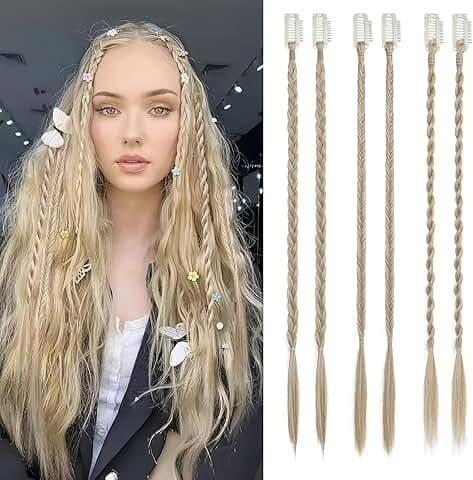
A: Choose a lace-front or monofilament top for realistic parting and hairline, match the color undertone to your skin, and consider light layering or a professional trim to blend with your face.
Q: Can I style a synthetic wig with heat tools?
A: Only if the wig is explicitly labeled heat-resistant. Standard synthetic fibers will melt or frizz under high temperatures. Always check manufacturer instructions and test at low heat.
Q: What is the average lifespan of a wig?
A: Lifespan varies: synthetic wigs often last 4-6 months with regular wear, while human-hair wigs can last a year or more with proper care. Frequency of use and maintenance dictate longevity.
Searching for how to buy a wig for the first time is the first step toward a successful purchase. Use the guidance above to evaluate options, and don't hesitate to ask vendors for swatches, return assurances, and professional references before you commit.
Related products
Blog
- how to measure cap size for wig a beginner friendly step by step guide for a perfect fit
- Why the will you wear wigs meme is taking over feeds with viral reactions and DIY tips
- How to Choose, Style and Care for a Black Wig to Achieve a Natural Long-Lasting Look
- how to take shine out of wig the smart way using simple home remedies and pro tips for a natural matte finish
- how to install wigs for beginners step by step 10 pro tips for a natural secure fit
- does lisa rinna wear a wig Truth Revealed by Photos Interviews and Expert Insight
- how to dye a wig step-by-step DIY guide for vibrant salon-quality color on synthetic and human hair
- Judge and Wig Trend Explained as Judge Wears Wig and Wig Choices Influence Courtroom Image and Style