
How to Hide Long Hair Under a Wig Easy Step by Step Techniques for a Smooth Seamless Look

Practical Guide to Concealing Long Hair Under a Wig for a Sleek, Natural Finish
If you have long hair and you want a flawless wig application, this comprehensive tutorial will walk you through step-by-step approaches to keep your hair flat, comfortable, and completely hidden. Whether you're preparing for daily wear, stage performance, or a special event, learning how to hide long hair under a wig properly will drastically improve fit, comfort, and the overall look. This guide covers multiple methods, essential tools, troubleshooting tips, and maintenance advice so you can choose the approach that best fits your hair type, wig style, and lifestyle.
Why mastering concealment matters
Hiding long hair under a wig is more than a cosmetic trick; it affects longevity, realism, and comfort. Exposed bumps, uneven bulk, or stray strands can break the illusion of a natural scalp and hairline. By learning reliable techniques for flattening and protecting your hair inside a wig, you’ll avoid straps slipping, cap tearing, and tension that leads to headaches. When you know how to hide long hair under a wig, you get a smoother silhouette, easier styling, and fewer adjustments throughout the day.
Tools and supplies you’ll want on hand
- Stretchy wig cap(s) or stockinette caps in one or two layers
- Silicone or anti-slip wig grip band
- Elastic sewing band (for adjustability) and needle & thread
- Large hair elastics, bobby pins, and duckbill clips
- Strong-hold gel or smoothing serum and a fine-tooth comb
- Hair mousse or edge control for flattening flyaways
- Styling brush and tail comb for parting and tucking
- Heat-resistant scarf or nylon stocking (clear stocking cap works well)
- Optional: braiding hair ties, small rubber bands, and wig tape for extra security
Preparing long hair: clean, conditioned, and detangled
Start with clean hair that’s free from heavy product buildup. Shampoo and condition before your styling session if possible; oily roots can make caps slip and can affect wig adhesive. Detangle thoroughly using a wide-tooth comb or brush, then apply a small amount of smoothing serum if you have frizz or flyaways. The goal for concealment is to create the flattest, most even surface against your scalp before placing a wig cap.
Core techniques overview
There are a few reliable strategies to keep long hair tucked away: flattening the hair by braiding or twisting, coiling it into low-profile buns, or using layered caps to compress bulk. Each method has its strengths depending on hair density, length, and texture. Below are step-by-step instructions for the most dependable methods to learn how to hide long hair under a wig with minimal visible bulk and maximal comfort.
Method 1: Flat braids and a double cap system
- Part the hair into 3–6 horizontal sections from ear to ear with a tail comb. Smaller sections create a flatter base for very thick hair.
- Secure each section with a light-hold gel and braid each section tightly, keeping the braid flat against your scalp. For extra compression, use French or cornrow braids that hug the head.
- Wrap the ends of the braids around the base of your neck and tuck them under, or coil them into small flat buns along the nape. Use small elastics and bobby pins to secure.
- Place a thin nylon stocking cap (sheer) over the braids to smooth and hold them down. Then place a second, thicker wig cap over the first to compress bulk and create a grippy surface for the wig. This double cap method works exceptionally well for long, dense hair.
Method 2: Sleek low bun and strategic tucking
- Gather all hair into a very low ponytail at the nape of the neck. Smooth with gel so the hair lies flat.
- Twist the ponytail and coil it around the base to form a pancake-style low bun. Keep it as flat as possible and secure with pins that lie flat against the scalp.
- Cover with a lightweight wig cap; if the bun still creates bulk, flatten further with a second cap or a tight-fitting nylon stocking.
Method 3: The stocking cap roll (for maximum compression)
This technique uses a nylon stocking or pantyhose to flatten and compact long hair.
- Apply smoothing product, then pull the leg of a nylon stocking over your head so the toe rests at the nape.
- Gather hair into a low ponytail and insert it into the toe zone. Twist or coil the hair and roll the stocking tightly upward toward the crown. The rolling action compresses the hair into a flat roll around your head.
- Fold or tuck in any loose ends and place a wig cap over the rolled stocking for added smoothness.
Method 4: Cornrows or braids specifically for wigs
Cornrowing is a professional favorite because it creates the flattest and most consistent base. If you’re willing to braid your hair (or have it braided by a stylist), you’ll get an extremely flat profile ideal for lace front wigs and units that require adhesive along the hairline. For how to hide long hair under a wig with minimal lumps, aim for even, tight cornrows that terminate in tucked-under ends at the nape.
Tips for different hair types
Edge control and hairline management
To avoid visible stray hairs at the perimeter, apply an edge control gel or small amounts of styling wax along the hairline and smooth with a toothbrush or small brush. For lace front wigs, you may want a tiny strip of wig tape or a light adhesive to secure the frontal lace. Always protect your real hairline: avoid adhesives that contact natural hair directly unless you know how to remove them safely.
Using accessories for extra security and realism
- Wig grips: A felt or silicone wig grip band sits between the wig and your cap to prevent slippage without adhesives.
- Adjustable elastic band sewn into the wig: creates tension around the perimeter to hold the cap tight to your head.
- Bobby pins and clips: strategically placed inside the wig can anchor it to the wig cap or braids beneath.
- Wig tape or light adhesive: only when necessary and used correctly to blend lace fronts to the skin.
Step-by-step assembly checklist for best results
1. Cleanse, condition, and detangle your hair. 2. Choose a concealment method: braids, low bun, or stocking roll. 3. Apply styling product to smooth hair and reduce frizz. 4. Create braids/bun/roll and secure ends. 5. Pull on nylon stocking or wig cap to flatten. 6. Add second cap or grip band if needed. 7. Position the wig starting from the front hairline and press down firmly around the perimeter. 8. Use pins or adhesive for added security if required. 9. Style edges and blend the wig hairline with your skin tone using makeup if needed.
Common mistakes and how to avoid them
Too-tight braids or buns can cause traction and damage; choose tension that is firm but not painful. Overuse of heavy products makes caps slip and can attract dirt; opt for lightweight gels and serums. Skipping a second cap on thicker hair often results in visible lumps; when in doubt, double-cap. Failing to secure the wig at the nape leaves it prone to forward movement—an elastic adjuster or nape clip resolves this.
Maintaining hair health under wigs
Long hair needs protection: alternate days of wig wear with restful, cap-free time when possible. Moisturize the hair periodically with leave-in conditioners and oils applied before braiding (not after you’ve already sealed the cap). Sleep on a satin pillow or use a satin bonnet over your wig at night to prevent friction damage and to extend the life of both wig and natural hair beneath.
Special considerations for lace front and full lace wigs
For lace units that require adhesion, ensure your skin is clean, oil-free, and protected with barrier spray when necessary. Tidy up edges under the lace by pressing them flat with an edge brush and smoothing product. If you’re new to adhesives, practice on short sessions first to learn to remove the lace without pulling on natural hair. Remember that lace blends more convincingly when the underlying hair is very flat and non-bulky, making how to hide long hair under a wig a critical skill.
Quick fixes when you’re short on time
- Use a single tight stocking cap and tuck a loose ponytail into a small bun; then fasten the wig grip and put on the wig.
- For extremely long hair, create two large flat braids that lie on either side of the head and cover with one cap—works well under voluminous wigs.
- If you don’t have time to braid, a smooth low ponytail with a wrapped bun plus a tight cap can be surprisingly effective.
Styling and blending tips after you’ve applied the wig
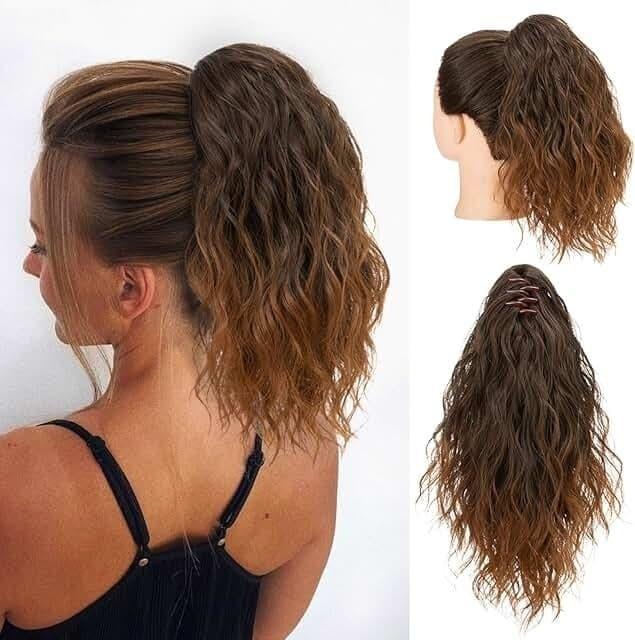
After securing the wig, style bangs or face-framing layers to mask the perimeter and achieve a natural transition. Use a fine spray or light hairspray to set the hairstyle and use a makeup sponge with a small amount of powder to slightly tint the part or frontal lace to match your scalp tone. If appropriate, trim the lace carefully and melt it with a heat tool for a seamless finish—always follow wig and lace manufacturer recommendations.
Long-term solutions: investing in custom wig caps and professional braiding
For frequent wig wearers, consider professional services: custom-fitted wig caps, sewn-in wig bands, and salon braiding that aligns with your favorite wig shapes. A professional can create low-volume braids designed specifically to lie flat for lace fronts and machine-sewn wefts, ensuring how to hide long hair under a wig is repeatable and efficient.
Environmental and comfort considerations
In hot climates, multiple caps can trap heat; choose breathable, moisture-wicking caps and rotate wigs to allow scalp breathing. Use hydrating leave-ins between wears, and avoid sleeping in your wig if possible. If you feel scalp irritation, reevaluate cap tightness and product choices—less is often more for scalp health.
Troubleshooting: common problems and immediate fixes
- Lumpy feel: remove wig, re-smooth hair, add a second cap, and reapply.
- Wig slipping forward: add an elastic band inside the wig or a wig grip around the head.
- Visible braid ends: tuck ends under and secure with bobby pins; if needed, add a thin stocking cap layer to hide them.
- Irritation from adhesive: stop use, clean area with remover, and consult a dermatologist if reaction persists.
Checklist for confident application
Before you walk out the door, confirm: hair is flat, wig cap is snug, wig fits securely, edges are blended, and accessories are hidden. Carry a small kit (bobby pins, mini brush, travel glue, extra cap) for emergency fixes. Mastering how to hide long hair under a wig is about combining consistent preparation with the right tools and the method that suits your hair best.
Summary: make it routine and adjust as needed
Consistency is the key. Practice your chosen concealment method several times to refine tension, braiding technique, or bun placement. Over time you’ll discover small adjustments that improve comfort and realism. Whether you prefer cornrows, stocking rolls, or low buns, the techniques described here will help you achieve a flat, natural base for any wig style.
Recommended products to consider: breathable wig caps, silicone wig grips, light-hold edge control gel, and adjustable elastic bands designed for wig napes. These accessories, combined with proper preparation, will make learning how to hide long hair under a wig efficient and repeatable.
FAQs
A: Yes. A tight low bun or the stocking roll method combined with one or two snug wig caps can be effective. However, braiding typically yields the flattest results for very long, very thick hair.
A: If you avoid excessive tension, give your hair regular breaks, and use gentle techniques and moisturizing products, you can minimize damage. Traction from overly tight braids or glued edges causes risk; use moderate tension and professional guidance when necessary.
A: Flatten the hairline thoroughly, use a thin cap or lace powder to blend tones, and secure the lace with proper adhesive or tape if required. Trimming lace carefully and melting adhesive with heat on select wigs helps, but always follow manufacturer instructions.
A: For active situations, use cornrows or tight flat braids plus a snug wig grip and an elastic adjuster sewn into the wig for the strongest hold. Avoid heavy adhesives during high-sweat activities unless you can safely remove them afterward.
With consistent practice, the steps outlined here will give you professional-looking, comfortable concealment for long hair under any wig. Emphasize scalp health, choose the method that complements your hair type, and keep a small emergency kit handy for quick adjustments.
Related products
Blog
- what does 180 density wig mean A practical guide to fullness, styling and choosing the perfect wig
- Ultimate Guide to ight honey blonde wigs with Styling Tips, Care Advice, and Best Places to Buy
- Top 7 Tricks on how to keep curly wig looking wet Without Greasy Residue
- Complete Guide to Ash Blonde Bob Wig Choices and Styling Tips for Every Face Shape
- Ultimate 2025 Guide to merkin pubic wig Selection, Styling, Maintenance and Discreet Wear Tips
- where is wigan uk explained Find Wigan on the map travel options and top attractions
- how to cut lace on a glueless wig step-by-step guide with pro trimming tips for a flawless hairline
- how to fix a frizzy wig - 12 Easy Home Fixes, Washing Hacks and Heat-Free Styling Tricks