
How to Keep a Wig from Tangling with Simple Daily Care Tips for Long-Lasting Smoothness
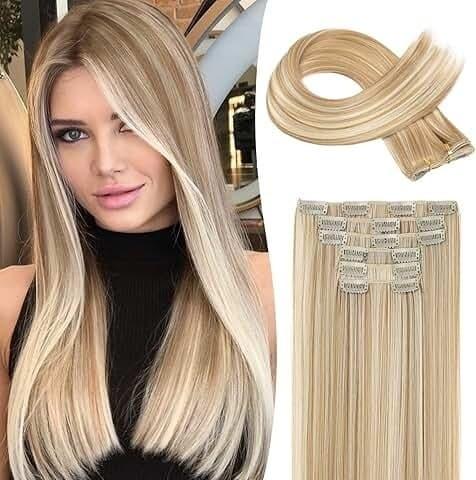
Practical daily routine for preventing tangles in synthetic and human hair wigs
Keeping a wig smooth and tangle-free requires a combination of smart habits, the right tools, and consistent care. Whether you wear a lace front for style, a full cap for convenience, or a high-quality human hair piece, learning how to keep a wig from tangling is essential for maintaining a natural look and extending the life of your investment. This guide covers step-by-step routines, preventative strategies, recommended products, and quick fixes to make detangling as painless as possible.
Why tangles happen and what to watch for
Understanding the causes of matting is the first step in prevention. Tangles form from friction, environmental exposure, product buildup, and incorrect storage. Wig fibers—both synthetic and human—can rub against clothing, pillows, and hats, creating snags. Oils from your scalp and styling residues attract dust and lead to sticky knots. Moisture, humidity, and wind can all cause fibers to interlock, especially at the nape and around the hairline. By recognizing these risk areas you can focus preventive care where it matters most.
Daily checklist: quick actions that make a big difference
- Brush gently before and after wearing: A quick sweep with a loop brush or wide-tooth comb prevents early formation of tangles. Use gentle strokes from ends toward the base.
- Secure loosely styled areas: If you wear your wig in a ponytail or bun, avoid elastic bands that cause tension and friction. Use soft scrunchies or fabric ties.
- Use a leave-in conditioner: Light sprays designed for wigs reduce static and friction. Spritz sparingly and focus on the mid-lengths and ends, not the cap base.
- Protect at night: If you sleep in your wig occasionally, wrap it in a silk or satin scarf or use a silk pillowcase to prevent rubbing.
- Limit heat exposure: Excessive heat styling can roughen fibers and increase tangling. Use tools on the lowest effective setting for heat-friendly wigs.
Best brushes and combs to prevent matting
Choosing the right tool matters. For synthetic wigs, loop brushes are ideal because they reduce pulling. For human hair wigs, a high-quality boar-bristle brush combined with a wide-tooth detangling comb works well. Always start at the ends and work upward in sections, holding the hair near the base to avoid tugging at the cap. For curly or textured wigs, use your fingers and a wide-tooth comb to preserve curl pattern while removing knots.
Tool recommendations
- Loop brush — gentle on synthetic fibers and reduces breakage.
- Wide-tooth comb — essential for wet detangling or textured styles.
- Boar-bristle brush — smooths and evenly distributes natural oils on human hair wigs.
- Detangling spray — choose formulas labeled for wigs to avoid sticky residues.
Washing and conditioning: frequency and technique
Over-washing can dry out fibers while under-washing allows buildup to cause tangles. For frequent wearers, washing every 10–14 wears is a common guideline for synthetic wigs; human hair pieces may need washing every 7–10 wears depending on product use. Use a gentle, wig-specific shampoo and a lightweight conditioner. When washing:
- Fill a basin with cool or lukewarm water and add a small, measured amount of wig shampoo.
- Submerge the wig and gently swish; avoid rubbing or twisting the fibers.
- Rinse thoroughly and apply conditioner only to lengths and ends, avoiding the base cap.
- Rinse, then blot excess water with a towel—do not wring.
- Allow to air dry on a wig stand; avoid direct heat sources.
How to detangle a wig step-by-step
When snags occur, a calm, systematic approach prevents damage. Follow this plan to safely remove knots and restore smoothness:
- Section the wig: Work in small zones, clipping away layers to focus on one area at a time.
- Apply a detangler: Use a wig-safe leave-in spray or a small amount of conditioner diluted in water, mist lightly on the knot.
- Hold the base: With one hand, stabilize the wig near the root to prevent pulling on the cap.
- Work from the ends upward: Use a wide-tooth comb to loosen the tangle gradually. Follow with a loop brush for synthetic fibers if needed.
- Use patience, not force: If a knot resists, apply more detangler and let it sit for a few minutes before trying again.
Preventing tangles during styling and wear
Smart styling choices minimize friction. For example, side parts and gentle layers reduce the need for heavy combing. If you frequently wear scarves or collars that rub the nape, consider shorter styles or tucking the ends inside clothing when possible. Use clips or bobby pins that are coated or wrapped to avoid metal-on-fiber abrasion. For windy days, choose protective styles like low buns, braided options, or fashion scarves to shelter the wig from direct exposure.
Storage solutions that preserve smoothness
How you store a wig between uses directly affects its susceptibility to tangling. Long-term storage on a tall wig stand helps maintain shape and reduces tangling by allowing fibers to hang naturally. For travel or short-term storage, a breathable satin-lined bag is ideal. Avoid plastic bags that trap moisture and encourage mildew or static. Before storing, lightly brush the wig, apply a small amount of detangler if needed, and ensure it is completely dry.
Product selection and ingredients to avoid
Not all hair products are wig-friendly. Avoid heavy oils, waxes, and alcohol-based sprays that can leave sticky residues and attract dirt. Look for silicone-free or lightweight silicone formulations made for synthetic or human hair wigs. Key beneficial ingredients include glycerin for moisture, lightweight silicones for slip without buildup, and panthenol for flexibility. Always perform a patch test on a small hidden area before applying new products across the entire wig.
Quick emergencies: on-the-go fixes
If you discover a tangle while out, there are discreet solutions to smooth the appearance until you can properly detangle. Carry a travel-sized wig detangler spray and a small loop brush or wide-tooth comb. Mist sparingly, use fingertip separation to loosen surface knots, and style into a protective look (low pony, headscarf, or soft bun) to hide the area temporarily. For human hair wigs, a micro mist of water and conditioner can help, but synthetic fibers typically respond better to specialized sprays.
Seasonal care: humidity and cold weather tips
Humidity makes fibers swell and increases tangling risk; use anti-frizz detanglers formulated to control moisture. In dry winter conditions, static increases and fibers can become brittle—introduce a mild moisturizing spray and avoid excessive heat styling. For both extremes, consistent brushing and proper storage are your best defenses.
Professional maintenance and when to seek help
Some tangles, especially those close to the base or involving matting, are best handled by a wig professional. If you notice persistent knots, shed patches, or cap damage, book a consultation with a certified stylist who specializes in wigs. Services can include deep conditioning, reshaping, and gentle restoration techniques that are safer than DIY attempts on severely matted wigs.
Common mistakes that accelerate tangling
- Using regular hairbrushes on synthetic fibers.
- Applying heavy oils or styling products meant for natural hair.
- Sleeping without protecting the wig on a satin surface.
- Storing a damp wig in plastic where humidity fosters matting.
Checklist for a 7-day wig care plan
Create a repeating micro-routine to keep tangles at bay: Day 1: Brush and restyle; Day 3: Quick mist and detangle; Day 7: Full wash and condition (or as needed depending on wear frequency). This predictable routine makes it easier to stay consistent and prevents small problems from becoming irreversible damage.
Eco-friendly and budget-friendly tips
You don't need expensive products to protect your wig. Use mild, biodegradable shampoos and make a homemade detangler with a small spray bottle, distilled water, and a tiny amount of leave-in conditioner diluted well—test first. Reusable silk scarf wraps and cushioned wig stands are cost-effective and reduce the frequency of salon repairs.
Troubleshooting table: common issues and quick solutions
| Issue | Cause | Quick fix |
|---|---|---|
| Matting at nape | Friction from collars or lack of protection while sleeping | Protective styling + detangler + gentle combing |
| Dry, frizzy ends | Overuse of heat or shampoo buildup | Light conditioning treatment and lower heat settings |
| Sticky residue | Heavy styling products | Clarify with wig-safe shampoo |
Advanced tip: fiber-specific approaches
Human hair wigs tolerate low heat and traditional hair care more like natural hair, but they still need wig-specific products to avoid excess weight and residue. Synthetic wigs are engineered to hold their shape; avoid high temperatures for heat-sensitive fibers and choose detanglers made for synthetics. Heat-friendly synthetic fibers can be restyled at lower temperatures, but repeated heat increases the chance of roughened cuticles and subsequent tangling.
Styling to minimize brushing
Choose styles that require less manipulation: layered cuts, loose braids, and soft waves reduce the need for frequent combing. For active lifestyles, consider shorter wigs or secure braids that keep fibers aligned and protected during movement.
How to keep a wig from tangling: practical keywords for searching supplies
When shopping for supplies online or at beauty stores, search terms that are helpful include: "wig detangler spray", "loop brush for wigs", "silk wig cap", "wig stand tall", "wig-safe leave-in conditioner", and of course, "how to keep a wig from tangling" to find targeted tutorials and product reviews. Use these targeted keywords to compare ingredients, read user reviews, and choose products with proven gentle performance.
Long-term mindset: maintenance not miracles
Protecting a wig from tangles is about steady, small actions rather than occasional grand fixes. Regular gentle brushing, proper storage, conservative product use, and timely professional care add up to significantly longer wear life and better day-to-day appearance. If you adopt a few simple habits today, you'll find yourself spending less time untangling and more time enjoying the look and confidence your wig provides.
Summary and quick reference
In short: limit friction, use the right tools, apply lightweight detanglers, schedule gentle washing, and store properly. Keep a small kit for on-the-go touch-ups including a travel detangler, a loop brush, and a silk scarf. By focusing on prevention and the correct techniques for how to keep a wig from tangling, you preserve both appearance and longevity.
If you follow these habits, even frequently worn wigs can stay smooth and natural-looking for months or years depending on the quality of the piece. Small changes in your routine produce big improvements in lifespan and appearance.
FAQ
How often should I detangle my wig?
Detangle gently before and after each wear for best results; perform a deeper detangling during your regular wash cycle, which may be every 7–14 wears depending on use and product buildup.
Can I use regular hair conditioner on a synthetic wig?
It's safer to use products labeled for synthetic wigs; regular conditioners often contain ingredients that can weigh down synthetic fibers or leave residues that lead to tangling.

What is the safest brush for preventing tangles?
Loop brushes are widely recommended for synthetic wigs because they don't catch on fibers. Wide-tooth combs and boar-bristle brushes are best for human hair wigs when used gently and in combination.
Related products
Blog
- Discover who makes low density wigs and which brands offer the best lightweight looks
- Fact Check is jodie sweetin wearing a wig and what recent photos reveal about her hair
- Insider Tips and Trending Styles at a wig galleria - Your Complete Guide to Selecting, Styling, and Caring for Wigs
- does adam scott wear a wig in severance an inside look at hair design makeup and fan theories
- Quick and Easy Guide on how to put on wigs properly for a natural secure fit
- How to Make Half Wig Step by Step for Beginners Achieve a Natural Look Without Sewing
- how much for a good wig Practical 2025 price guide to affordable human hair and synthetic options
- is dee wearing a wig always sunny explained A deep dive into Dee Reynolds hair changes and fan theories