
Quick guide on how to revive a wig and restore natural bounce in 7 easy steps

Revitalizing a Wig: Practical Steps to Restore Softness and Natural Movement
If you've noticed that your wig has started to lose its spring, appears flat, or the fibers no longer move naturally, this comprehensive guide will walk you through techniques and tips on how to revive a wig effectively. Whether you're dealing with a synthetic wig, a human-hair piece, lace front, or a full-cap wig, understanding the right methods to restore bounce, shine, and body can extend the life of your investment and keep styles looking fresh.
Why proper wig care matters
Good wig maintenance does more than keep an artificial or natural fiber looking attractive; it prevents matting, tangling, and premature fiber breakdown. Learning how to revive a wig includes not just one-off rescue treatments but also regular habits that preserve shape, elasticity, and movement. Below you'll find a step-by-step plan you can follow at home, plus alternative tips for different fiber types.
Quick overview: 7 essential stages to bring bounce back
- Assess the condition: Inspect cap, lace, and fibers for damage.
- Detangle carefully: Start at the tips and work up to the roots.
- Clean with purpose: Use the correct shampoo and water temperature.
- Condition and nourish: Deep condition human hair or use fabric softener for synthetics.
- Reform the shape: Use steam or hot water shaping techniques.
- Dry and style gently: Air dry on a stand; minimize direct heat for synthetics.
- Finish and protect: Use styling products sparingly to retain flexibility and shine.
Step 1 — Assess and prepare
Before starting any restorative process, take a moment to evaluate the wig's material and current problems. Is the fiber matted at the nape? Are there odors, product buildup, or flattened curls? For synthetic pieces, avoid high-heat tools unless labeled heat-friendly. For human hair wigs, you have more styling flexibility but still must treat strands gently. Identify whether the wig is primarily lacking volume, has visible tangles, or needs structural repair to the cap or lace. Noting these issues will help you choose the right approach to how to revive a wig.
Step 2 — Gentle detangling
Tool checklist: wide-tooth comb, wig brush, detangling spray, and patience. Start at the ends and work toward the roots in small sections. For severe matting, apply a detangling leave-in or a few drops of silicone-based serum to help the comb pass through. Never pull at tangles aggressively; instead, use your fingers and short strokes to loosen knots. This step alone often restores a surprising amount of motion and prevents further fiber damage.
Step 3 — Smart cleaning
Cleaning is one of the most crucial parts of understanding how to revive a wig. Product buildup from sprays, oils, and sweat weighs down fibers. Use lukewarm water (cool to warm for synthetics; warm for human hair) and a mild shampoo made for wigs if possible. Mix water and shampoo in a basin and gently soak the wig for 3–5 minutes — do not rub or twist. Rinse with the same temperature to avoid shocking the fibers. For odors or heavy buildup, repeat the soak once more, but avoid over-washing which can dry out strands.
Step 4 — Targeted conditioning
Conditioning restores elasticity and softness. For human hair wigs, use a moisturizing conditioner and apply from mid-length to ends. Leave on for 3–10 minutes depending on dryness, then rinse thoroughly. For synthetic wigs, regular hair conditioners can cause buildup; instead use a specialized synthetic wig conditioner or dilute fabric softener in water for a gentle slip. For both types, consider an occasional deep-conditioning mask: human hair benefits from oil-based masks or protein treatments (careful with frequency), while synthetics respond to silicone or polymer-based sprays designed to smooth fibers.
Step 5 — Reshape and reform
To restore natural sway and bounce, shaping matters. For curled or waved wigs, set the style before drying. Use low-pressure steam from a wand at a safe distance for human hair or heat-stable synthetics to reset curls. For non-heat synthetics, pour hot water over rolled sections or use a cold-water reverse set to lock in shape. Place the wig on a properly sized wig stand or mannequin head to reform the cap and allow gravity to help the fibers fall naturally. This stage is a core part of how to revive a wig because it determines the final silhouette and bounce.
Step 6 — Drying with purpose
Drying method affects texture. Pat excess water with a microfiber towel — avoid wringing. Air-dry on a wig stand for the most natural fall; if you must use a blow dryer, apply on a low cool setting for human hair only. For synthetic fibers, heat can cause irreversible damage unless the piece is labeled heat-friendly. While drying, gently shape sections with fingers or a brush to encourage movement and volume. Finishing techniques like diffusing can help reintroduce body without flattening the style.
Step 7 — Styling, finishing and protection
Once dry, style using wide-tooth combs or soft bristle brushes. For lift at the roots, backcombing lightly near the base or using volumizing foam can provide extra life — but use minimal product to avoid buildup. Use a light mist of wig-friendly hairspray or thermal protectant for human hair styles. Avoid heavy oils and serums that weigh the wig down; instead choose water-based serums for shine. Following these steps consistently will make future revivals easier and maintain bounce longer.
Specialized tips based on fiber type
Human hair wigs
Human hair wigs respond well to nourishing creams, keratin treatments, and occasional trims. If your human hair wig looks lifeless, a professional deep-conditioning salon treatment can restore elasticity. Always use heat protectant before flat-ironing or curling. Regular trims of split ends will help hair reflect light and appear bouncier.
Synthetic wigs
Synthetics need careful temperature control and products designed for artificial fibers. When wondering exactly how to revive a wig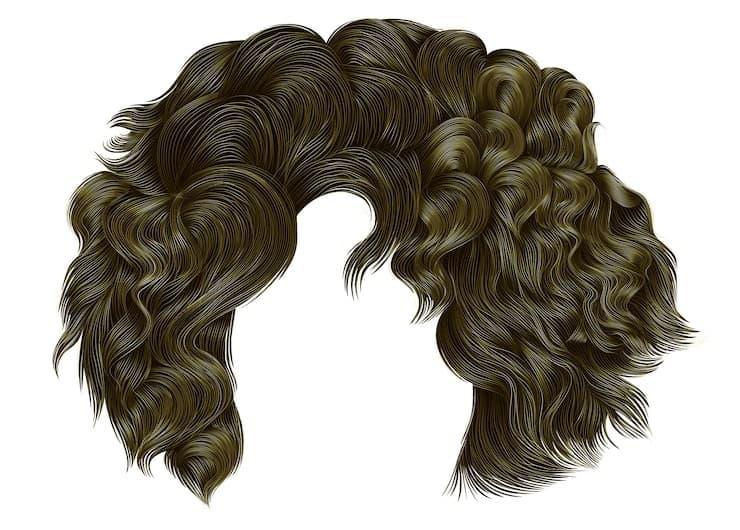 that is synthetic, focus on detangling, careful washing with specialized cleansers, and reshaping with steam or hot water sets (if the fiber tolerates it). There are also synthetic-specific conditioners and finishing sprays that can lift flattened fibers without damaging the heat-sensitive material.
DIY remedies and professional approaches
Home-based revivals are effective, but sometimes professional help is appropriate. If a wig's cap is damaged or lace is torn, a wig maker or stylist can repair construction issues that at-home methods can't fix. For deep fiber recovery, professionals can perform reconstructive treatments to enhance texture and manageability. For DIY, simple household items like diluted fabric softener (for synthetics) or a light oil mask (for human hair) can revive softness and movement when used cautiously.
Common mistakes to avoid
- Using high heat on non-heat-friendly synthetic wigs.
- Roughly towel-drying or twisting the wig while wet.
- Using heavy oils or greasy products that attract dirt.
- Skipping detangling before washing, which can tighten knots.
- Storing a wet wig in a closed space and encouraging mildew.
Troubleshooting: What to do if results are partial
If the wig regains some bounce but still appears weighed down: revisit the conditioning step, reducing the amount or switching to a lighter formula. If fibers feel brittle after a wash, they may have been exposed to too much heat or harsh chemicals — use a restorative mask and consider professional intervention. When curls won't reform, residual product build-up may be the culprit; perform an extra clarifying wash with a mild clarifying shampoo for human hair or a synthetic-specific cleanser.
Maintenance habits that prevent future flattening
To minimize the need for major revivals, adopt ongoing care habits: store wigs on stands to keep shape, detangle after every wear, rotate between styles to prevent repeated friction in the same spots, and avoid sleeping in wigs unless they're made for overnight wear. Use light, wig-friendly products and rinse thoroughly after applying leave-ins. These habits help maintain the natural bounce and reduce the frequency of restorative sessions.
Recommended products and tools
Investing in a few key tools can make recovery and routine care easier: a breathable wig stand, a wide-tooth comb, a soft-bristle brush, a steam wand (for safe fibers), wig shampoo and conditioner, leave-in detangler, and light finishing sprays. For human hair, choose sulfate-free shampoos, deep-condition masks, and a heat protectant. For synthetic pieces, choose products clearly labeled for synthetic wig maintenance.
Pro tip: A small silk or satin scarf tied loosely around the wig while storing can protect fiber ends from friction and dust.
Step-by-step condensed routine (one-line checklist)
Assess → Detangle → Clean → Condition → Reshape → Dry → Finish. Repeat monthly or when you notice signs of flattening to maintain bounce and texture.
When to seek professional restoration
Consider a pro if your wig has significant cap damage, lace detachments, or if home treatments produce inconsistent results. Professionals can re-knot, ventilate lace, and apply deep reconstructions that extend the life of higher-end wigs.
Environment and storage tips
Keep wigs in a cool, dry place away from direct sunlight. Use a breathable bag for long-term storage and avoid plastic containers that trap moisture. Place the wig on a stand to preserve the natural fall and prevent crimps that flatten over time.
Final checklist before wearing
- Confirm wig is fully dry.
- Run a final gentle brush-through to shape.
- Use minimal product to set the style.
- Attach securely and check hairline for naturalness.
Understanding how to revive a wig is less about a single miracle product and more about consistent, fiber-appropriate care. By following the seven-stage plan above and tailoring steps to synthetic or human hair fibers, you can bring back body, movement, and shine without compromising the integrity of the piece.
Extra styling ideas to enhance bounce
Consider soft rollers for an overnight set, a gentle root-lift mousse designed for wigs, or a blow-dry with a diffuser for human hair wigs to create volume without rough handling. These styling tricks complement restorative care and help maintain vibrancy between washes.
Eco-friendly options
If sustainability matters, choose gentle, biodegradable cleansers and avoid single-use plastic combs and applicators. Reusable silicone rollers and wooden brushes are environmentally friendlier and often gentler on fibers.

Resources and further reading
Look for manufacturer care guides, wig-maker tutorials, and community forums where wearers share practical tips on how to revive a wig. Videos can be especially helpful for visual steps like steam shaping and rolling techniques.
FAQ
- Q: Can any wig be revived back to its original condition?
- A: Many wigs can be significantly improved with correct care, but irreversible damage such as melted synthetic fibers or severely frayed lace may require professional repair or replacement. Restoration often yields excellent results, though "original" condition isn't guaranteed for all manufactures and wear histories.
- Q: How often should I deep-clean my wig?
- A: Frequency depends on wear; casual weekly wear might mean cleaning monthly, while daily wear could require a wash every 1–2 weeks. Always base it on visible buildup and odor rather than a strict calendar schedule.
- Q: Is steam safe for all wigs?
- A: Steam is safe for human hair and heat-resistant synthetics but can damage standard synthetic fibers. Check manufacturer guidance and test a small inconspicuous area before applying steam to the whole wig.

By integrating these steps into a regular routine and understanding the nuances of different fiber types, you will confidently know how to revive a wig and keep styles lively, soft, and natural-looking for many wears to come.
Related products
Blog
- how to brush out a synthetic wig step by step for smooth tangle free results
- Does Karol G Wear Wigs? Expert Breakdown of Her Hairstyles, Wigs, and Signature Looks
- Ultimate Guide to Choosing the Best Colors of Wigs for Every Skin Tone
- Where to Buy Wigs for Cancer Patients - Top Affordable Online and Local Options
- wigan athletic vs fulham match preview and prediction - team news, odds and live updates
- New Evidence About does lyle wear a wig Revealed with Photos and Expert Analysis
- how to curl a wig complete step by step guide for natural looking waves and lasting hold
- How to Put on a Wig Without Glue Step by Step Guide for Beginners to Achieve a Natural Secure Fit