
Smart Storage Solutions - how to store a wig safely and keep its shape
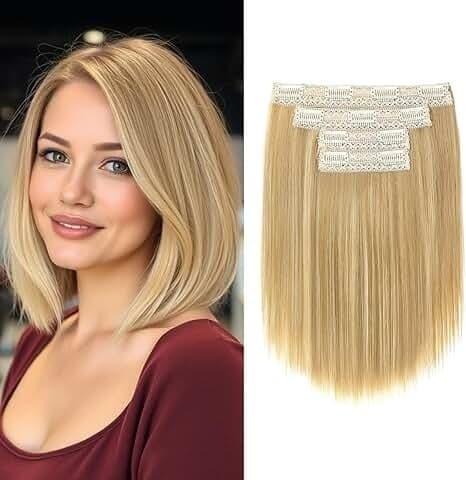
how to store a wig: practical, safe and shape-preserving strategies
If you wear wigs regularly or keep a small collection for style rotation, knowing how to store a wig correctly protects your investment, preserves the silhouette and saves time when you want to wear it again. This comprehensive guide covers short-term and long-term storage, specialized tips for human hair vs synthetic fibers, climate considerations, container and stand options, step-by-step prep routines and simple maintenance checks so your pieces stay ready-to-wear. Read on to learn practical storage methods designed to keep cap shape, maintain curl patterns, prevent tangles and reduce product buildup.
Why storage matters: the role of shape, ventilation and environment
Storing a wig improperly can lead to misshaping of the cap, flattened crowns, stretched lace fronts and irreversible tangling of the fiber. In addition to physical deformation, prolonged exposure to sunlight, heat and moisture invites color fading, frizz, mold and odors. Proper storage addresses three basic needs: preserve structure, allow breathable airflow and limit environmental stressors. When considering how to store a wig, always think of cap support, fiber protection and controlled humidity.
Know your wig: human hair vs synthetic — different storage rules
- Human hair wigs: behave like natural hair; they need more protection from humidity and are sensitive to moths and pests when stored with organic materials. They can be reshaped with low-heat tools, so allow room for gentle styling before storage.
- Synthetic wigs: often hold a set or curl memory but can melt or deform at high temperatures and are more susceptible to static. Synthetic fibers benefit from breathable, cool spaces and should never be compressed tightly.
Tools and supplies you'll want on hand
- Wide-tooth comb and wig brush for detangling.
- Wig stand, mannequin head or padded foam head for shape preservation.
- Breathable fabric bags (satin or silk inner lining for human hair; cotton or mesh for synthetic).
- Acid-free tissue paper for padding caps and curls.
- Silica gel packets to control moisture.
- Small labeled containers or drawer organizers if you maintain a collection.
- A sturdy box with ventilation holes or a lightweight wardrobe case for seasonal storage.
Preparation: the essential pre-storage routine
Whether you're storing for a night or a season, always start with a quick prep routine. The goal is to remove tangles, residues and any styling product that might attract dust or change texture over time. Follow this checklist:
1. Gently brush from tips to roots using a wide-tooth comb or specialized wig brush to avoid pulling on the cap.
2. Lightly wash only if needed — frequent washing is not necessary for short-term storage; for long-term keep your wig clean and completely dry before packing.
3. Air-dry on a wig stand away from direct sunlight and heat sources.
4. Re-style gently, if required, and set the shape using foam or tissue paper under the crown and around the part.
Short-term storage options (daily to a few weeks)
For daily rotation or a few days' break, choose a solution that keeps shape accessible:
Wig stand or foam head: the best option for preserving cap shape and preventing tangles; place on a shelf or in a ventilated closet.
Silk or satin bag: ideal if you need to move the wig or protect it from dust; slide the wig with the interior facing out to limit friction.
Drawer with dividers: lined with acid-free tissue, a low-traffic drawer can work if ventilation is adequate.
Long-term storage (months to seasons)
When storing for extended periods, you must balance protection from dust and pests with gentle airflow. Avoid vacuum-sealing or tightly compressing wigs — these methods can permanently flatten the cap and damage curls or waves. Instead, consider these choices:
Dedicated wig box: a sturdy box lined with tissue paper and silica gel packets, placed in a cool, dark area.
Closet shelf in a garment bag: hang wigs on padded hangers or keep them on heads inside breathable garment bags (ensure no crushing).
Storage container with ventilation: plastic boxes can trap moisture and create mold risk; if using plastic, ensure you add multiple silica packs and open the box periodically.
How to pad and position a wig for storage
It’s crucial to support the cap and maintain crown height. For lace fronts or monofilament tops, use a lightweight foam head or wrap soft batting under the part to keep natural contours. Create gentle rolls of acid-free tissue to support curls and seams — never use newspaper (ink transfer). If you want to preserve gravity-defying styles, tie a loose silk scarf around the base to keep strands in place while avoiding creasing.
Keeping color and texture intact
Sunlight causes fading and heat can dry out fibers. Store wigs in a dark, cool space away from heaters and windows. For human hair wigs, occasionally apply a light leave-in conditioner before storage and protect the hair with a satin wrap to maintain moisture balance. For synthetics, avoid sprays with alcohol that can degrade fibers; instead, use products formulated specifically for synthetic wigs.
Humidity, pests and odor control
Excess humidity invites mildew while dry air can make human hair brittle. Use silica gel packs to absorb moisture and consider a small charcoal sachet or cedar blocks in the storage area to deter insects. Avoid mothballs — they leave strong odors and residues. Periodically air out stored wigs to prevent stale smells; a 30-minute airing every 4–6 weeks is often adequate.
Travel and short trips: compact, safe packing
For travel, choose a semi-rigid wig box or a padded travel case with a wig pillow. When packing multiple wigs, layer each piece in a satin bag and use tissue paper to prevent friction. Keep a small wig brush and a flat, foldable stand in your carry-on so you can quickly set up and maintain shape upon arrival. Always pack wigs away from sharp objects and liquids.
Special considerations for lace fronts and hand-tied caps
Lace and delicate hand-tied wefts are vulnerable to stretching and snagging. Store lace-front wigs on a curved foam head to preserve the front edge and avoid hanging by straps alone. Use a silk cap over the lace to prevent dust accumulation and reduce movement inside the cap. If a wig has combs or clips, tuck them flat and secure them with a soft wrap to avoid metal contact with delicate fiber.
Creative household storage hacks that work
- Use a hat box with tissue wraps for short-term protective storage.
- Mount foldable wig stands inside a closet door hook so wigs hang vertically without pressure.
- Designate a shallow drawer lined with silk for daily rotation; include silica packs to prevent moisture build-up.
Labeling and inventory best practices
When a collection grows beyond a couple of pieces, keep a simple inventory: photograph each wig, note color and cap size, record last wash date and storage location. Place small labels inside boxes or attach tags to satin bags. This system reduces handling — frequent handling increases wear.
Quick troubleshooting: reviving a flattened wig
If a wig is flattened from storage, revive it by placing it on a wig stand and reshaping with steam (human hair) or cold-steam styling tools safe for synthetics. For heat-friendly synthetics and human hair use low heat and a thermal protectant. Comb gently from ends upward and use light misting of a conditioning spray formulated for wigs.
Maintenance schedule suggestions
For wigs in regular rotation: brush before and after wear, wash every 6–8 wears (or when product buildup appears), and perform a deeper conditioning every few months for human hair. For stored wigs: air every 4–6 weeks, inspect for pests or moisture and re-pad the cap if needed.
Professional servicing and repairs
If you notice a stretched cap, tattered lace or loose wefts, consider a professional wig maker for cap repair or re-blocking. Re-blocking on a correctly sized head restores shape more reliably than home stretching attempts and is a worthy investment for high-end human hair pieces.
Environmental considerations and sustainability
Choose reusable silica packs and breathable storage bags to reduce waste, and avoid disposable plastic covers. Proper storage prolongs the life of each wig, lowering the frequency of replacement and reducing environmental impact over time.
Summary checklist: a quick reference for how to store a wig
- Detangle and clean before storage.
- Dry completely and re-style on a wig stand if needed.
- Use foam head or wig stand for shape retention.
- Store in breathable, dark and cool spaces with silica packs.
- Avoid tight compression, sunlight, high heat and mothballs.
- Label, photograph and rotate stored wigs periodically.
By following these steps you’ll keep the cap fit, preserve curl memory and slow aging of fibers so your pieces look fresh every time you wear them. Whether you’re storing one favorite piece or a curated wardrobe of wigs, the right prep, storage vessel and environment make all the difference.
FAQ
Q: Can I hang a wig on a hanger?
A: You can hang wigs on padded hangers for short-term storage if you protect the hair with a silk bag and ensure the hanger doesn't pull at straps or combs. For long-term use a wig stand or head is better to maintain shape.
Q: Is it okay to store wigs in plastic containers?
A: Plastic can trap moisture and cause mold. If using plastic boxes, add silica gel, ensure ventilation and open them periodically to air the wigs. Prefer breathable fabric bags for long-term storage.
Q: How do I store curly wigs without flattening the curls?
A: Gently pad individual curls with acid-free tissue and store on a wig stand. Use a silk bonnet to reduce friction and avoid compressing the curls under heavy items.
Q: Should I wash a wig before putting it into long-term storage?
A: Yes. Oils, sweat and product residues can degrade fibers over time. Wash and condition as appropriate for the fiber type, thoroughly air-dry and then pack with padding and silica gels.
Related products
Blog
- does bianca belair wear a wig A closer look at the WWE star's braided ponytail and styling secrets
- how to install a half wig step by step beginner friendly tips for a natural secure fit
- how to curl a cheap wig step by step for salon worthy waves on a budget
- a list lace wigs buying guide and top styling tips for a flawless natural look
- how to curl a synthetic wig without heat – 9 easy no-heat techniques for natural long-lasting curls
- How to Choose and Care for an ash blonde 360 lace wig for Flawless Natural-Looking Results
- Does Alison Victoria Wear a Wig Exploring the Rumors Evidence and Hairstylist Insights
- Easy DIY Guide on how to make closure for wig at home for a professional salon finish