
will wearing a wig cause hair loss answered by dermatologists and seven essential wig care tips

will wearing a wig cause hair loss — what dermatologists say and how to protect your scalp
If you've ever wondered whether will wearing a wig cause hair loss, you're not alone. This concern ranks high among people who rely on hairpieces for style, convenience, or medical reasons. Dermatologists emphasize that the short answer is: wearing a wig does not inherently cause permanent hair loss for most people, but certain practices and conditions associated with wig use can increase the risk of temporary or long-term hair thinning. This comprehensive guide synthesizes clinical perspectives, mechanisms that could lead to damage, and practical, dermatologist-recommended strategies to minimize risk and maintain a healthy scalp and hairline.
Dermatologist perspective: risk vs reality
Board-certified dermatologists explain that hair loss related to wigs typically results from mechanical or chemical stress rather than the wig itself. When assessing whether will wearing a wig cause hair loss, clinicians look for evidence of traction alopecia (from sustained pulling), contact dermatitis (from adhesives or materials), friction-related breakage, and poor scalp hygiene that may exacerbate shedding. In short, wigs can be a contributing factor but are rarely the sole cause.
Understanding the main mechanisms
- Traction Alopecia: Prolonged tension on follicles from tight caps, sewn-in wefts, or aggressive attachment methods can cause follicular inflammation and scarring alopecia if not addressed early. Repeated tugging weakens hair shafts and may lead to permanent loss in severe cases.
- Friction and Breakage: Continuous rubbing between the wig base and the natural hair or scalp leads to cuticle damage and shaft breakage, especially with fragile or chemically treated hair.
- Adhesives and Allergies:
 Medical-grade glues, tapes, and lace adhesives may trigger allergic contact dermatitis in sensitive individuals, causing inflammation and subsequent shedding.
 - Poor Scalp Hygiene: Occlusion from non-breathable caps and infrequent washing can trap sweat, oils, and debris, creating an unhealthy environment that may accelerate shedding and irritation.
- Improper Fit and Weight: Oversized or heavy wigs alter how weight distributes across the scalp and may exacerbate traction in localized areas.
- Underlying Hair Conditions: If someone already has an active condition such as androgenetic alopecia, telogen effluvium, or alopecia areata, a wig may hide symptoms but will not be the cause — however, it can sometimes aggravate shedding when combined with the factors above.

Who is at higher risk?
People with thin hair, fragile chemically processed hair, inflammatory scalp disease, or certain genetic predispositions should be cautious. Patients undergoing chemotherapy or living with autoimmune conditions should consult both their oncologist and dermatologist about wig choices, caps, and adhesives. For these groups, the question will wearing a wig cause hair loss is highly personalized and should be evaluated in context.
Clinical signs that a wig may be contributing to hair loss
- Thinning or bald spots along the frontal hairline or temples that correlate with wig edges or attachment sites.
- Short broken hairs near the hairline (exclamation-mark hairs suggestive of traction or breakage).
- Scalp tenderness, scaling, redness, or persistent itching at contact points.
- Follicular pustules or signs of folliculitis under the wig cap.
How dermatologists evaluate the problem
During evaluation, dermatologists take a thorough history — duration and frequency of wig use, type of attachment, adhesive products used, hair care routine, and any prior scalp disorders. Trichoscopy (dermoscopy of the scalp) can reveal characteristic patterns of traction, miniaturization of follicles, or inflammation. If scarring alopecia is suspected, a biopsy may be recommended. The diagnostic process helps answer whether will wearing a wig cause hair loss in a specific case and which interventions are needed.
Seven essential wig care tips recommended by dermatologists
Below are seven practical, evidence-informed tips to reduce the risk of wig-related hair damage and address the question will wearing a wig cause hair loss from the standpoint of prevention and best practice.
- Rotate and rest your scalp: Just like shoes, wigs should not be worn 24/7. Give your scalp regular breaks — at least a few hours daily or several days per week — to allow air circulation and recover from any minor stress. Nighttime removal is recommended whenever possible to minimize constant traction and friction.
- Choose a proper fit and cap construction: A well-fitting wig with a breathable, soft cap reduces friction and tension. Look for adjustable straps, lightweight monofilament or silk caps, and secure but not constricting combs or clips. Avoid excessively tight wig caps that lead to continuous tension along the hairline.
- Mind your attachment method: If using adhesives, select hypoallergenic formulas and alternate adhesive areas to prevent repeated trauma in the same spot. Consider tape or medical-grade glues with proven low-irritation profiles; use barrier sprays and adhesive remover to protect the skin during application and removal.
- Use protective undercaps and liners: Soft, breathable headliners made from cotton or bamboo can decrease friction and absorb sweat. Wig liners also create a barrier between the wig base and natural hair, minimizing mechanical rubbing and adhesive contact.
- Maintain scalp hygiene: Regularly cleanse the scalp and natural hair using gentle, sulfate-free shampoos. If wearing a wig daily, aim to wash the underlying hair at least weekly or as recommended by your hair care professional. For those who cannot wash frequently, use dry shampoo or scalp cleansers and ensure thorough rinsing when washing to prevent product buildup.
- Limit heavy styling and chemical processing: Avoid combining aggressive chemical treatments (bleaching, perming) with prolonged wig wear. Chemically weakened hair is more prone to breakage under the stress of wig caps and fasteners.
- Practice careful removal and detangling: Remove wigs gently, following the manufacturer’s directions. Use detangling sprays and wide-tooth combs on your own hair to minimize mechanical stress. If your wig is sewn in, consult a professional for safe removal to avoid accidental ripping of the natural hair.
Practical product advice and alternatives
Dermatologists often recommend products designed to protect fragile hair and sensitive scalps: silicone barrier sprays (applied before adhesives), non-latex wig grips for additional support, and topical anti-inflammatory shampoos containing ketoconazole or zinc pyrithione for cases with scalp irritation. For those worried about adhesives, magnets or clip-in systems can provide less invasive attachment options. Lace front wigs that rely on minimal adhesive can be less damaging than full-glue systems if used properly. For people with advanced hair loss or scarring alopecia, medical-grade prosthetic scalp systems fitted by specialists may be a better long-term solution.
When to seek professional help
If you notice progressive thinning, pain, persistent redness, scabbing, or small pustules under the wig, schedule an appointment with a dermatologist. Early intervention is crucial — traction alopecia can be reversible if caught early, but chronic inflammation can lead to scarring and permanent loss. Ask your clinician about topical therapies (like minoxidil), platelet-rich plasma (PRP) options, corticosteroid injections for inflammatory conditions, or systemic treatments where appropriate.
Common myths and misconceptions
There are several myths around the question will wearing a wig cause hair loss. Myth: all wigs cause baldness — false: a properly fitted, well-maintained wig does not cause permanent baldness for most wearers. Myth: adhesives always damage the scalp — false: many adhesives are safe when used correctly; however, sensitivity and improper technique can cause problems. Myth: synthetic wigs are always safer — false: synthetic fibers can cause friction, and their construction matters more than the fiber itself.
Real-world case examples (composite summaries based on clinical practice)
Case 1: A woman in her 30s developed frontal thinning after years of tight sew-in weaves and glued lace fronts. Trichoscopy showed traction signs and follicular dropout; after removing tight attachments, switching to breathable cap wigs, and topical therapy, she experienced significant regrowth within 6–12 months.
Case 2: A patient with sensitive skin reacted to an adhesive and developed contact dermatitis; switching to a low-sensitizer adhesive and using barrier sprays resolved the inflammation and associated shedding.
Case 3: A cancer survivor using wigs appropriately and alternating cap-free periods maintained healthy regrowth after chemotherapy-induced telogen effluvium.
Checklist to answer will wearing a wig cause hair loss for your situation
Use this quick checklist: Are you experiencing pain, redness, or visible traction? Do you wear your wig continuously without breaks? Is your wig excessively tight or heavy? Do you use adhesives regularly without alternating sites? Is your natural hair chemically fragile? If you answered yes to one or more, consult a dermatologist or experienced wig technician to reduce risk and customize a safer routine.
Long-term management and lifestyle tips
Long-term strategies focus on minimizing mechanical stress and optimizing scalp health: rotate wigs, maintain a gentle hair care regimen, protect the hairline with silk scarves or caps during transitions, and incorporate scalp-friendly nutrition (adequate protein, iron, zinc, vitamin D) which supports regrowth. Avoid prolonged stressors and address any hormonal or medical contributors to hair loss with your healthcare team.
Final takeaways
To restate the essentials: will wearing a wig cause hair loss is a nuanced question. Wigs themselves are not an automatic cause of permanent hair loss for the majority of wearers, but poor fitting, chronic traction, adhesive misuse, and inadequate scalp care can increase the risk of temporary or permanent damage. Dermatologists recommend preventive measures, safe attachment techniques, rotation, and professional guidance to safely enjoy wigs with minimal risk.
FAQ
A1: Daily wig use does not automatically cause permanent hair loss. The risk increases with continuous tight tension, harsh adhesives, or untreated scalp inflammation. Implementing protective measures and breaks reduces the chance of permanent damage.
A2: Look for localized thinning at the hairline, broken short hairs, scalp tenderness, or redness at the contact points. See a dermatologist for trichoscopic evaluation if you're unsure.
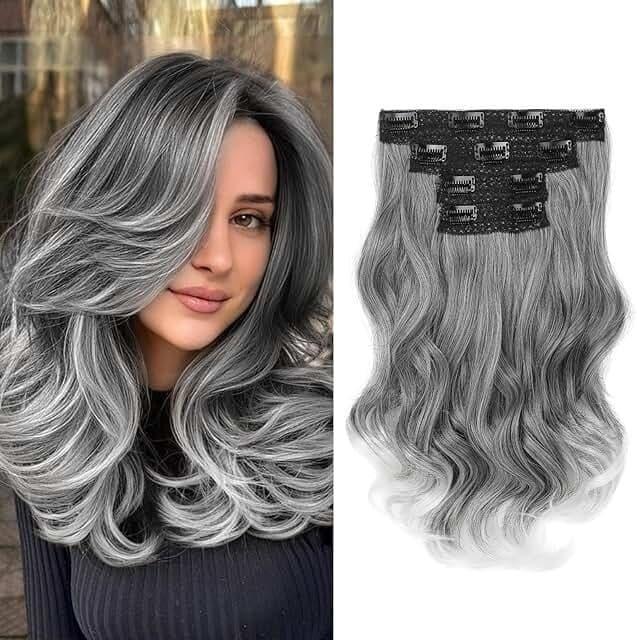
A3: Lightweight, breathable caps with adjustable straps, monofilament tops, and wigs that use minimal adhesives or secure with clips/magnets are generally less risky. Always ensure proper fit and rotate wigs.
A4: Stop using the adhesive, consult your dermatologist for testing, and consider hypoallergenic alternatives or non-adhesive attachment methods until you have a safe plan.
If you want personalized guidance, the safest route is an in-person consult with a dermatologist experienced in hair disorders and a certified wig specialist to tailor a plan. Thoughtful selection, gentle care, and regular scalp assessments will help answer your personal version of will wearing a wig cause hair loss with confidence and minimize risk while allowing you to enjoy the cosmetic and emotional benefits of wigs.
Related products
Blog
- Discover Top Picks and Styling Secrets for red human hair wigs That Turn Heads
- Discover gabor wigs with stylish looks, care tips and top picks for every budget
- How antonio valencia wigan days shaped a Premier League career and inspired a generation
- do british lawyers still wear wigs and how courtroom dress codes are evolving in the UK
- Merkin Pubic Wig Guide, merkin pubic wig history, styling tips and maintenance for authentic vintage looks
- Simple Ways how to attach a lace front wig without glue using tape bands combs and elastic for a natural secure fit
- how to make a wig look natural at the hairline - 9 pro styling tips for seamless edges
- 2025 insider report who wears wigs on the young and the restless today and which stars rely on hairpieces