
7 Easy Ways on how to make a synthetic wig softer and restore silky smoothness
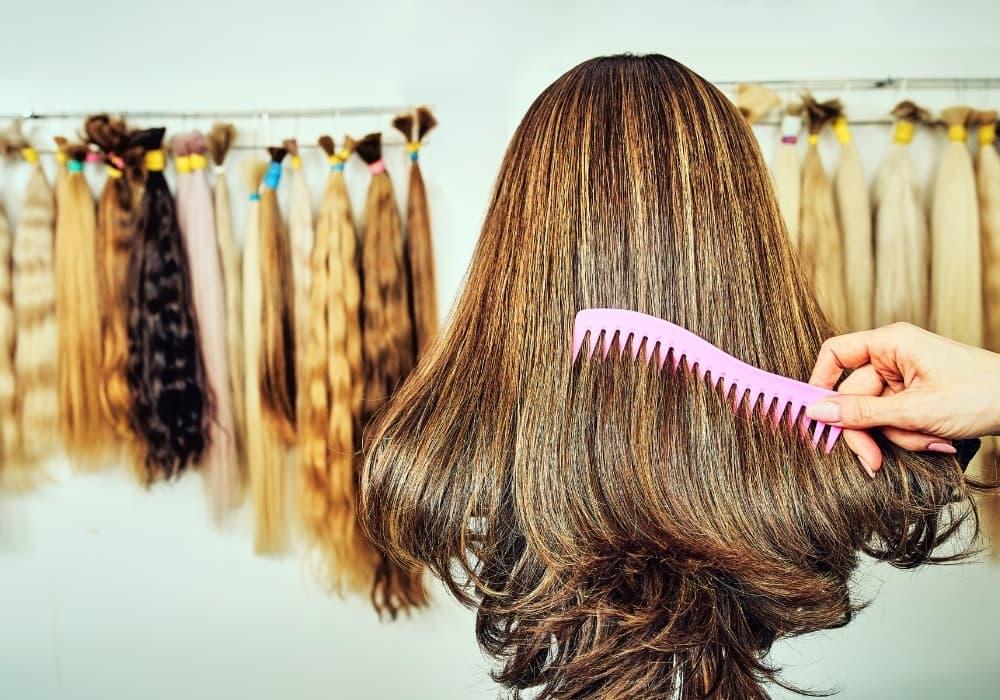
Practical Steps to Soften Synthetic Hair: A Friendly Guide
If you've ever wondered how to make a synthetic wig softer without damaging its fibers, you're in the right place. Synthetic wigs can feel coarse, tangled, or lifeless after regular wear, but with the right techniques and gentle care, you can restore softness, shine, and manageability. This comprehensive guide covers seven effective approaches, troubleshooting tips, and maintenance habits that help you achieve silkier results and prolong the life of your wig. Read on for step-by-step instructions, product suggestions, and safe alternatives so you can pick the method that suits your wig type and lifestyle.
Why synthetic fibers feel rough — quick science
Before diving into the "how to" tips, it's useful to understand why some synthetic wigs feel stiff. Most synthetic wigs are made from polymers like Kanekalon or Toyokalon. These fibers are durable and heat-resistant to varying degrees but can become coarse due to product buildup, friction, improper washing, sun exposure, or simply from being stored incorrectly. Knowing the causes makes it easier to pick a targeted solution when learning how to make a synthetic wig softer.
Overview: Seven gentle ways to soften a synthetic wig
- Gentle cleansing with the right shampoo
- Using conditioner and deep conditioning

- Detangling and smoothing with the right tools
- Silicone-based or spray-on softeners
- Cold water rinse and finishing gloss
- Steam and reshape (low-risk steaming)
- Daily handling, storage and preventive care
1. Gentle cleansing: remove buildup without roughing fibers
Many users inadvertently make wigs rougher by scrubbing or using hot water. To cleanse correctly, fill a basin with cool to lukewarm water and add a small amount of a mild, sulfate-free shampoo or a shampoo formulated for synthetic hair. Submerge the wig and gently swish — do not rub or wring. Let it soak for 5–10 minutes to loosen oils, styling products, and dust. Rinse thoroughly with cool water until the water runs clear. This gentle wash addresses one of the most common causes of stiffness and is the first step in most softening protocols for learning how to make a synthetic wig softer.
2. Conditioning: restore softness and reduce static
Conditioner is your best friend when softening synthetic strands. Use a conditioner made for synthetic wigs or a light fabric conditioner diluted in water (a common tip) — but use sparingly. Apply the conditioner starting from the mid-lengths to the ends, avoiding the cap base to prevent looseness at the knots. For a deep treatment, leave a generous synthetic-friendly conditioner on for 15–30 minutes, then rinse with cool water. For extra silkiness, finish with a quick dip in a diluted final rinse containing a tiny amount of fabric softener (test on a small area first). This technique often transforms coarse fibers into noticeably smoother strands.
3. Detangling and brushing: tools and motion matter
After conditioning and rinsing, gently blot the wig with a towel to remove excess water and place it on a stand or mannequin head to air-dry. Use the right brush — a wide-tooth comb or a brush designed for wigs with flexible bristles. Start detangling from the ends and work upward toward the roots in short, patient strokes. Aggressive brushing while wet can stretch or damage synthetic fibers; patience yields better results. Incorporating a leave-in detangler or a lightweight silicone-based slip spray (sparingly) will make combing easier and support the softening process.
4. Use silicone-based or spray-on softeners
Spray-on wig conditioners and silicone-based serums are formulated to coat the fibers with a thin smoothing layer that reduces friction and enhances sheen. When applying a softening spray, maintain a distance of about 8–12 inches and mist lightly, then comb through. Avoid alcohol-heavy products that can dry synthetic fibers. These sprays are particularly useful for daily touch-ups and are often the quickest way to refresh softness between washes.
5. Cold water finishing: lock in smoothness and cut static
A final cold water rinse helps close the fiber cuticle on heat-safe synthetics and reduces static. After the conditioning step, a brief rinse with cold water can seal the conditioning effects and leave the strands feeling firmer yet smoother to the touch. Finish by blotting dry and letting the wig air-dry on a stand away from direct sunlight. This final chill step is an underrated tip in strategies for how to make a synthetic wig softer and less flyaway-prone.
6. Low-moisture steaming and reshaping
For synthetic wigs labeled as heat-friendly, a low-temperature steam treatment can relax frizz and set the wig into a smoother style. Use a handheld steamer on the lowest setting and keep a safe distance (at least 6–8 inches) while steaming briefly. After steaming, shape the wig with fingers or a wide-tooth comb and let it cool on a mannequin head. Avoid direct contact with hot elements unless the wig is explicitly rated for heat styling. If you doubt the fiber's heat tolerance, skip this step and stick to non-thermal softening alternatives.
7. Prevention: storage, fabrics and daily habits
Softness maintenance is mostly about prevention. Store synthetic wigs on a stand or in a satin/silk bag to avoid crush and friction. Sleep on a satin pillowcase and avoid rough fabrics that cause pilling or static transfer. Rotate between two or more wigs to reduce everyday wear and minimize frizz from humidity and oils. Trim split or frayed ends occasionally to retain a healthy visual texture. These lifestyle changes are essential to keep the results of your softening routine lasting longer.
Extra tips, product notes and homemade remedies
- Baby shampoo — a mild option for gentle cleansing, often recommended for sensitive fibers.
- Fabric softener diluted — use only small amounts and test first on a hidden weft; it can add slip and reduce tangles.
- Silicone spray — choose light sprays designed for wigs to prevent buildup.
- DIY mask — a short soak in diluted conditioner plus a tablespoon of hair serum can act as a quick softening pack; rinse well.
- Avoid oils — heavy oils leave residue that attracts dirt and can stiffen fibers over time.
- Cold water finishes help reduce static and lock in conditioning effects.
- Brush selection — never use fine-tooth brushes or boar bristle brushes that can tangle synthetics; opt for wide-tooth combs or specialized wig brushes.
Troubleshooting: when softness doesn't return
If your attempts to restore softness fail, consider these possibilities: the wig may be heat-damaged, very old with permanent fiber wear, or coated with stubborn product buildup that requires repeated gentle washes. In some cases, professional reconditioning or replacement of the wig might be the most economical choice. Always test any product or DIY remedy on a small, hidden section before applying it to the entire wig to ensure no discoloration or unwanted texture changes.
Quick maintenance checklist
Weekly: Light misting with silicone softener and gentle brushing.
Monthly: Full wash and deep condition if worn regularly.
After each wear: Store carefully and detangle any small knots.
This checklist supports lasting softness and reduces the frequency of intensive repairs.
Common mistakes to avoid

- Using hot water or high-heat styling on non-heat-resistant fibers.
- Over-applying heavy oils or creams that cause buildup.
- Brushing aggressively when the wig is soaking wet.
- Storing in direct sunlight or in cramped spaces that cause friction damage.
How often should you perform deep softening?
Frequency depends on wear: heavy daily use may require a deep cleanse and conditioning every 2–4 weeks, while occasional wearers can manage with monthly or bimonthly deep care. Regular light refreshes with a proper spray are ideal for maintaining softness between washes.
Are there commercial products to speed up results?
Yes. Specialized synthetic wig conditioners, leave-in detanglers, and anti-static sprays formulated for synthetic fibers can accelerate softening and protect the results. Look for products labeled safe for Kanekalon, Toyokalon, or generic synthetic fibers, and avoid alcohol-heavy formulas.
Natural vs. synthetic: when to consider switching
If repeated softening treatments aren't effective, or if you prefer a consistently natural-feel texture, consider switching to a human-hair wig. Keep in mind that human-hair wigs need different care and are often higher maintenance but offer the most natural softness and styling flexibility.
Summary and final recommendations
To recap the best pathway when wondering how to make a synthetic wig softer: start with a gentle wash, follow with a quality conditioner or diluted softening treatment, detangle carefully, use a light silicone spray for extra slip, and protect the wig with proper storage and low-heat steaming only if the fiber allows it. Consistent, gentle care delivers the best outcomes, reviving both the look and the touch of a synthetic wig.
Maintenance plan example
Day 1 (after purchase): Light wash and conditioning to remove factory finish.
Weekly: Light misting and gentle detangling.
Monthly: Deep condition and cold-water finish.
Seasonal: Inspect and trim ends if needed, store carefully between uses.
Following such a plan will help you preserve softness and avoid the frustration that leads many to repeatedly ask how to make a synthetic wig softer.
With time and the right routine, most synthetic wigs can regain a pleasant, soft hand-feel and attractive shine. Be patient, test products, and prioritize gentle techniques over quick fixes.
FAQ
A1: Boiling water is risky and not recommended unless the wig is explicitly labeled as heat-restylable. Too much heat can permanently melt or warp fibers. Use low steam or warm water only if the manufacturer permits.
A2: In diluted, small amounts and used as a rinse, fabric softener can add slip and help soften fibers. However, heavy or repeated use can leave buildup, so rinse thoroughly and test on a small section first.
A3: The principles are the same, but long wigs require more careful detangling and may benefit from more frequent light conditioning to prevent mid-length-to-end dryness. Take extra time when detangling long synthetic wigs to avoid stretching the wefts.
Related products
Blog
- is a weave a wig explained — myth busting guide to differences, care and styling
- How to Blend Lace Front Wig Naturally Step by Step Tips for a Seamless Hairline
- Discover the Best Wig Shops for Every Budget and Style in 2026 — Ultimate Buying Guide
- 2025 Closure Wig Buying Guide - Pro Tips to Choose, Care and Style for a Natural Look
- how to keep a wig on your head with 9 expert tips for secure all day wear
- why do british attorneys wear wigs - surprising history, courtroom reasons and whether the tradition will last
- why do uk lawyers wear wigs and how the centuries old court tradition shapes modern practice
- does billy crystal wear a wig Fact Check with Photos Stylist Insights and Celebrity Hair Secrets