
how to wear hair under wig without braids made simple 8 expert tricks for a smooth natural look
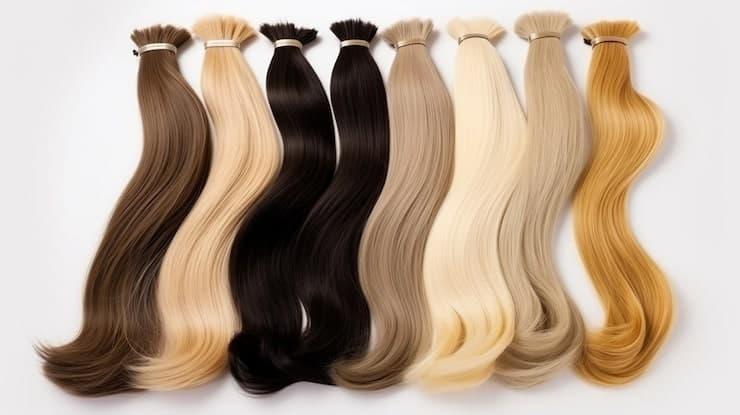
Practical guide to a sleek, natural finish when wearing wigs without braids
Wearing a wig can look effortlessly natural even if you prefer not to braid your own hair. Many people wonder how to wear hair under wig without braids and still achieve a smooth, flat base that supports a realistic hairline and comfortable fit. This comprehensive guide covers step-by-step methods, product recommendations, styling tricks, and troubleshooting advice so you can protect your natural hair while getting the look you want. You will find multiple safe techniques for short, medium, and long hair types, and learn which materials and tools create the flattest foundation when you choose not to braid.
Why some wearers skip braids and what to expect
There are many reasons to avoid braiding: sensitivity of the scalp, recent hair growth, protective-style fatigue, medical concerns, or simply personal preference. When you look up "how to wear hair under wig without braids" you'll find alternatives that focus on flattening, tucking, and securing hair gently. These approaches emphasize even pressure distribution, breathable fabrics, and methods that preserve hair moisture and elasticity.
Core principles before you begin
- Keep tension low: Avoid any technique that pulls hair tightly. The goal is flatness, not tension.
- Protect strands: Use silk or satin materials where hair touches the cap to reduce friction and breakage.
- Moisture balance: Pre-treat hair with a light leave-in conditioner so strands remain supple under the wig cap.
- Breathability: Choose caps and wraps that allow airflow to prevent sweat build-up, especially for long wear.
Eight expert methods to flatten hair without braids
Low tuck with sectioned smoothing
Part hair into 4–6 horizontal or vertical sections depending on thickness. Using a soft brush or wide-tooth comb, smooth each section down toward the nape, then tuck and pin small loops with flat bobby pins near the scalp. For an even flatter base, place a thin silicone or nylon cap over the smoothed hair to compress the sections. This addresses the core question of how to wear hair under wig without braids by replacing bulky braids with sleek, low-profile tucks.
Twist-and-tuck mini-rolls
Twist thin sections into flat mini-rolls (not tight twists) and secure them against the scalp with bobby pins. Lay a satin scarf or wig band over the twists and apply light pressure to encourage set. Allow a few minutes before donning the wig. This method reduces bulk while avoiding the stress of traditional braids.
Wrap-and-bind method
For medium-to-long hair, gather hair into a low ponytail, wrap it around the base into a flat coil, and secure with small, snag-free pins. Use a silk or satin wrap to cover and press the coil flat. For enhanced smoothness, wear a thin nylon wig cap on top of the wrap before placing the wig. Many who search how to wear hair under wig without braids prefer this for long hair because it provides a continuous flat surface.
Use of compression caps and gel caps
Compression caps (soft, wide elastic caps) can flatten natural hair by distributing pressure evenly. Gel caps or silicone-lined caps offer an even sleeker finish for very fine hair or when trying to create virtually invisible edges. Be mindful of scalp sensitivity; test for comfort before extended wear.
Heat-assisted smoothing (gentle)
If your hair tolerates heat, use a low-heat flat brush or styling tool to gently smooth the hair flat to the scalp. Immediately set with a cool press using a silk scarf. Avoid direct high heat on freshly wet hair and keep temperature low to prevent damage. This method is especially useful when hair is frizzy or resistant to lying flat without braids.
Slip-on wig liners and foam strips
Thin foam or silicone wig liners create a uniform base and help hair stay in place. Some liners have built-in grips that hold the wig without needing glue or heavy banding. Pair these with a light hairspray designed for scalp-safe use to keep stray hairs from peeking out.
Edge control and laying techniques
Use a small amount of edge control product along the perimeter where hair meets the wig cap to smooth baby hairs. Brush gently with an edge brush or soft toothbrush, and lay a satin scarf for several minutes to set. This helps create the illusion of a natural hairline while still avoiding braided bases.
Custom cap adjustment and inner wefts
If you wear wigs frequently, have a stylist customize the inner cap—adding thin padding in areas that need volume control or sewing small channels to tuck hair invisibly. Customization can transform the wearing experience and is a premium answer to how to wear hair under wig without braids for those seeking long-term comfort.
Materials and tools worth keeping on hand
Essential items include:
soft satin or silk scarf , wide-tooth comb, flat bobby pins, silicone or nylon wig cap, wig grips, lightweight leave-in conditioner, edge control, spray bottle for light misting, and optional low-heat straightening brush. Investing in breathable caps and hypoallergenic adhesives (if you use them) will make extended wear more comfortable.
Products to avoid when aiming for natural results
Avoid heavy oils and thick creams under the wig cap because they can cause slippage and attract dust to the wig interior. Also avoid excessively high-hold glues on sensitive skin and avoid pins that have rough edges which can catch hair.
Step-by-step routine for the smoothest outcome
Follow this routine to implement several of the expert tricks at once:
1) Clean and lightly condition hair the night before or the morning of wear.
2) Detangle thoroughly and apply a light leave-in.
3) Section hair and use your chosen flattening method (tucks, twists, wrap).
4) Secure with flat pins and cover with a thin nylon cap.
5) Add a wig grip or inner band for stability.
6) Place the wig, adjust hairline, and use edge control as needed.
7) Tie a silk scarf over the wig for a few minutes if you have used a heat method or need to set edges.
8) Final adjustments: hide any visible pins, check ear tabs, and ensure comfort.
Tips for different hair lengths and textures
- Short hair (pixie or above chin): Smooth with a lightweight gel and use a nylon cap to hold everything flat. Small silicone strips inside the cap can keep short baby hairs from lifting.
- Medium length: Low coil wrap or twist-and-tuck methods work best. Make larger, flatter rolls to avoid added bulk.
- Long thick hair: Create a low, flat bun or coil with a thin mesh wrap; add a compression cap to reduce the height of the coil and achieve a sleeker profile.
- Curly or coily textures: Use moisturizing leave-ins and detangle with fingers or a wide-tooth comb. Stretch curls gently with low heat only if necessary, then tuck and secure with pins designed for textured hair.
Common mistakes and how to avoid them
Many people make one of these errors when exploring how to wear hair under wig without braids: using too much product, creating excessive tension, skipping the cap, or failing to test comfort before long wear. To avoid issues, always do a quick comfort check, keep products minimal, and favor wide, flat pins over heavy clips. Rotate wig-free days to allow the scalp to breathe and hair to recover.
Maintaining hair health while wearing wigs
Balance protective wear with proper care: wash and deep-condition natural hair regularly, massage the scalp gently to stimulate circulation, and avoid continuous daily wear without breaks. Use silk pillowcases and headscarves at night to reduce friction. If sleeping in a wig occasionally, ensure it is lightweight and breathable.
Styling the wig for realism
Even with a perfect base, how a wig is styled impacts realism. Pluck a small amount of the hairline if it’s too dense, use a thin foundation or powder in the part to mimic scalp color, and choose lace fronts or 4x4 closures if you want the most natural parting. Match wig density to your natural hairline for the best illusion.
Fast troubleshooting checklist
- Bulging at crown: Rewind sections and redistribute into flatter coils or use a second thin cap.
- Itchy scalp: Switch to a breathable cap, reduce product build-up, and ensure proper drying before application.
- Slipping wig: Add a wig grip or adjust straps; place small silicone strips inside the cap for extra hold.
How to remove the wig and care afterward
Remove gently; unpin or untuck hair with care to avoid pulling. If you used adhesives, use a recommended adhesive remover. After removal, assess the scalp for irritation and follow up with a hydrating spritz or lightweight oil if needed. Reserve heavier treatments for washing days.
Real-life scenarios and adaptations
For active lifestyles or hot climates, prioritize breathability: choose mesh caps, light-weight nylon liners, and avoid heavy adhesives that block pores. When traveling, pack a small emergency kit: extra pins, a silk scarf, a mini bottle of leave-in, and a spare cap. Those learning how to wear hair under wig without braids often find trial and error necessary to identify the best combination of methods for their personal hair type and daily routine.
When to consult a professional
If you experience persistent discomfort, unusual hair loss, or scalp sensitivity, consult a licensed stylist or dermatologist. A professional can recommend custom cap alterations, medical-grade adhesives if needed, or specific protective strategies that match your scalp health.
Quick reference cheat sheet
Best low-bulk options: twist-and-tuck, low coil wraps, nylon cap + wig liner. Best for delicate scalps: silk scarf + compression cap, light gel smoothing. Best for maximum stability without adhesives: custom inner cap + wig grip. Keep these combinations handy whether you’re a beginner or experienced wig wearer.
FAQ
- Q: Can I wear a wig all day with these non-braid methods?
- A: Yes, many non-braid techniques are designed for all-day wear as long as the cap is breathable, pressure is evenly distributed, and you take breaks when possible. Pay attention to any signs of irritation.
- Q: Will these methods work for very thick or very curly hair?
- A: Yes, but you may need to modify methods—use more sections, flatter coils, and softer pins. Hydration and detangling are key before flattening the hair.
- Q: Is it necessary to use silicone or gel caps?
- A: Not always. Silicone or gel caps provide a sleeker finish but may be less breathable. A thin nylon cap often suffices and is gentler on the scalp.
In summary, mastering how to wear hair under wig without braids is about combining gentle flattening techniques, protective materials, and smart styling choices to create a realistic, comfortable result. Experiment with the eight methods described, keep a few go-to products on hand, and adapt the routine to your hair length and texture. With practice, you’ll discover the most comfortable and visually convincing approach for your lifestyle. Remember that patience and gradual adjustments yield the best long-term results for both your look and hair health.
Related products
Blog
- do british lawyers still wear wigs and how courtroom dress codes are evolving in the UK
- how to make synthetic wig look real - 9 pro styling tricks and care tips to achieve a natural look
- Honey Blonde Afro Wig Buying Guide Best Picks Expert Styling and Care Tips for Gorgeous Volume
- does trump have a wig — examining photo evidence, hairstylist insights and public speculation
- does trump have a wig A closer look with expert analysis photo comparisons and stylist insights
- how to crimp a wig step by step for easy heatless or heated crimps and long-lasting texture
- do judges in the uk wear wigs and why courtroom headwear still sparks debate across Britain
- did woody harrelson wear a wig in hunger games explained with behind the scenes photos and hair secrets