
How to Curl a Synthetic Wig - 9 Heat-Free and Low-Heat Methods with Step-by-Step Tips
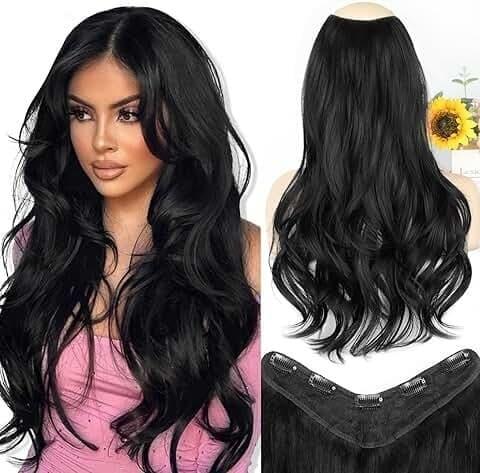
Gentle ways to reshape synthetic hair without damage
Mastering how to curl a synthetic wig: low-heat & heat-free approaches
If you've ever wondered how to curl a synthetic wig without ruining the fiber or shortening its lifespan, this comprehensive guide breaks down nine practical methods that range from completely heat-free to cautious low-heat techniques. Each approach is written with step-by-step clarity and haircare-friendly tips so you can achieve long-lasting bounce while keeping synthetic strands soft and realistic-looking. Use this resource to choose methods that match the texture of your wig, its heat tolerance, and the look you want to achieve.
Why technique matters for synthetic fibers
Unlike human hair, most synthetic wigs are made from specialized fibers that can melt or become permanently misshapen when exposed to high temperatures. That is why understanding how to curl a synthetic wig safely is essential. Some newer heat-friendly synthetics tolerate low temperatures, but many traditional fibers require zero heat. Proper preparation, tension control, and gentle setting methods will help create defined curls that survive styling and daily wear.
Before you start: materials and prep
- Tools: wig stand or mannequin head, wide-tooth comb, spray bottle with water, styling clips, foam rollers, flexi rods, magnetic roller clips, hair-friendly bobby pins, curling rods, and optional steam or low-heat styling tools (if your wig is rated as heat-friendly).
- Products: lightweight conditioner spray made for synthetics, silicone-free detangler, setting lotion formulated for synthetic hair, and a light-hold wig-specific hairspray. Avoid alcohol-heavy products that can dry synthetic fibers.
- Testing: Always perform a strand test on a hidden weft before using heat or setting solution. Hold a small section of hair 2–3 inches and apply the intended temperature or product for a short time; inspect for melting, frizz, or fiber stiffness.
Overview of the 9 methods

Below are nine methods organized from least to most thermal risk. Each method includes step-by-step guidance, recommended tools, and troubleshooting tips so you can confidently style your wig and learn how to curl a synthetic wig effectively.
Method 1 — Overnight foam rollers (heat-free, low-risk)
- Lightly mist hair with water or a synthetic-safe setting spray so it’s damp, not dripping.
- Section the wig into horizontal parts, clip away the top layers, and start at the nape.
- Wrap each section around a foam roller, keeping consistent tension to avoid lumps.
- Secure rollers and allow to dry fully overnight on a wig stand to maintain shape and airflow.
- Unroll gently in the morning, separate curls with fingers, and finish with a light spray.
Tips
Foam rollers create soft, natural waves ideal for everyday looks. If the wig is thick, use smaller rollers for tighter curls or larger ones for loose waves. Patience yields better results than applying heat.
Method 2 — Flexi rods or perm rods (heat-free)
- Apply a synthetic-specific setting lotion to damp hair for longer hold.
- Choose rod size based on desired curl diameter, winding the hair from tip to root without stretching the fiber.
- Allow the wig to air dry completely on a stand or sit under a fan. Avoid direct sunlight that can fade color.
- Remove rods, separate curls by hand, and style lightly.

Tips
Flexi rods are great for tighter ringlets or bouncy curls. Because there's no heat, curls can look soft and maintain the fiber's luster.
Method 3 — Braids or twist-outs (heat-free, textured waves)
- Dampen the wig lightly, apply a small amount of detangling spray, and smooth sections into braids or twists.
- For looser waves, make large braids; for more texture, do multiple small braids.
- Leave in overnight or until fully dry, then unravel and use fingers to separate the pattern.
Tips
Twist-outs are especially flattering for wigs with natural-looking texture. Use a light serum to tame flyaways after releasing the braids.
Method 4 — Headband curls (heat-free, easy daytime option)
- Place a soft headband over the wig and wrap small sections around the band.
- Continue until all hair is secured and leave for several hours or overnight.
- Unwrap and gently finger-comb into shape.
Tips
Headband curls are convenient for travel and avoid extra tools. This method is ideal for soft, retro waves without exposing fibers to heat.
Method 5 — Steam styling (low-heat when controlled)
- Confirm the wig is labeled "steam safe" or heat-friendly by the manufacturer.
- Mount the wig on a stand and steam targeted sections using a handheld steamer at a safe distance.
- Wrap steamed sections around a rod or roller to cool and set before removing.
Notes
Steam styling offers controlled shaping with less risk than irons, but always test a strand. Steam sets can last longer than air-dried methods because the fiber is reconditioned during the process.
Method 6 — Low-heat curling tools for heat-friendly fibers
- Check the wig label for maximum temperature tolerance (often 250–300°F for heat-friendly fibers).
- Use a curling iron or wand on the lowest recommended setting; heat for a few seconds only and avoid clamping directly on wefts.
- Work in small sections and allow curls to cool wrapped around the barrel, then release gently.
Important safety
Never assume all synthetics are safe with heat. If the manufacturer didn’t specify heat resistance, don’t attempt this method. When in doubt, stick to heat-free techniques to preserve fibers.
Method 7 — Sock or rag rolls (heat-free, vintage curls)
- Create soft rolls by wrapping sections of hair around a sock or strip of cloth and tying ends to secure.
- Leave overnight then gently remove to reveal vintage-inspired waves.
Benefits
This inexpensive option gives polished, salon-like waves without product buildup and is especially forgiving on delicate wigs.
Method 8 — Magnetic rollers with cooling phase
- Use magnetic rollers on slightly damp hair and allow them to dry fully on a stand. The magnetic closure makes them quick to apply and remove.
- Let the curls cool completely before detaching to help them set deeper into the fiber structure.
Why cooling matters
Whether using low heat or steam, letting sections cool on a roller prevents curls from collapsing and helps hold the shape longer.
Method 9 — Pin curls with setting lotion (heat-free to low-heat optional)
- Apply a small amount of synthetic-safe setting lotion on damp sections.
- Roll each section into a coil and secure with bobby pins or duckbill clips.
- Air dry or use a diffuser on the lowest setting if the wig can tolerate minimal heat; remove pins when fully set.
Final styling and finishing touches
After creating curls with any method, always handle the wig gently: separate curls with fingers or a wide-tooth comb rather than a brush. Apply a light mist of wig-specific hairspray to lock the style, and use a few drops of wig oil or shine serum sparingly on the ends to reduce frizz.
Maintenance: keep curls bouncing longer
- Storage: Keep styled wigs on a stand or in a breathable satin bag to maintain curl shape and prevent tangling.
- Daily care: Sleep with a silk cap and avoid heavy friction. Rehydrate fibers with a synthetic wig conditioning spray.
- Refresh: Use a quick mist-and-scrunch technique or re-roll a few sections with rollers for touch-ups instead of re-styling the entire wig.
Common mistakes to avoid
- Using high heat on non-heat-friendly fibers — this causes melting, hardening, and irreversible damage.
- Applying heavy oils or alcohol-based products that weigh down curls or dry the fiber.
- Ignoring weft integrity — always avoid tugging near the cap tabs and keep tension even when rolling.
Troubleshooting: problems and solutions
If curls look flat after drying, re-roll smaller sections and allow them to cool thoroughly. If frizz appears, try a tiny amount of silicone-free smoothing serum and let it settle. For uneven curls, assess roll size consistency and tension during wrapping — replicate the same technique across sections for uniformity.
Product recommendations and what to look for
Choose products labeled for synthetic wigs: lightweight setting lotions, silicone-free conditioners, and low-residue hairsprays. Avoid perfumes and alcohol-heavy hair sprays that can degrade fibers over time. If your wig is heat-friendly, look for tools with precise temperature control and always begin at the lowest safe setting.
When professional help makes sense
For high-value wigs or elaborate styles, consult a wig specialist who can professionally steam-set or trim and shape curls without risking fiber damage. They can also advise on color-safe care and cap adjustments to maintain a natural hairline.
SEO note: Using clear headings and repeating the key phrase how to curl a synthetic wig within h2 and p elements, while providing diverse but relevant content, helps search engines understand topic relevance and user intent.
Quick checklist before you begin
- Check fiber type and heat tolerance.
- Gather tools and products labelled for synthetic wigs.
- Perform a strand test for any heat or product you plan to use.
- Mount the wig on a stand for consistent tension and access.
- Be patient — allow full drying and cooling for the best hold.
Alternative styling ideas
If you prefer waves over defined curls, consider large rollers, loose braids, or a single twist-out. For tighter ringlets, use small flexi rods or perm rods and leave them longer to set. Always match the technique to the wig’s density and fiber type.
Environmental care considerations
Avoid leaving wigs in direct sunlight for extended periods to prevent color fade. Rinse and store wigs in shady, cool areas and avoid humid environments that can loosen curl memory.
Final thoughts
Understanding how to curl a synthetic wig comes down to respecting fiber properties, testing before you commit, and selecting the right tools for the look you want. Heat-free methods are safest and often produce the most natural movement, while controlled low-heat or steam techniques expand your options when a wig is labeled heat-friendly. With the nine methods outlined here, you can experiment confidently and find a go-to routine that preserves your wig’s life and keeps your style fresh.
FAQ
Q1: Can all synthetic wigs be curled?
A1: No. Only wigs labeled "heat-friendly" or "heat-resistant" should be styled with low-heat tools. Traditional synthetic fibers require heat-free methods such as rollers, braids, or steam (only if specified as safe).
Q2: How long do curls last on a synthetic wig?
A2: Duration depends on the method and environmental factors. Heat-free roller or rod sets can last several days to a week with gentle care, while low-heat or steam sets may provide slightly longer hold if the fiber is compatible.
Q3: What is the gentlest method for tight curls?
A3: Small flexi rods or perm rods used on slightly damp hair with a synthetic-safe setting lotion are the gentlest way to achieve tight curls without heat.
Q4: How do I refresh curls without redoing the whole wig?
A4: Lightly mist the wig, re-roll a few key sections on foam rollers, or use a targeted steam touch-up if the wig permits. Finger-scrunching and a light hairspray can also revive curl definition.
With practice and the right precautions, you’ll master techniques to shape, set, and refresh curls while ensuring longevity and natural movement for your synthetic wig. Embrace the method that best suits the fiber and desired style, and always prioritize testing and gentle handling. Happy styling!
Related products
Blog
- Quick DIY guide on how to fix costume wig hair at home with simple pro tips
- did michael landon wear a wig - photo evidence, stylist insights and the facts behind his on-screen looks
- how to make a fake wig look real with 12 salon secrets and step by step styling tips for natural results
- Fact Check is nicole kidman wearing a wig in a perfect couple Latest clues, expert views and hairline analysis
- What Does Wig Split Mean A Complete Guide to Wig Parts Styling Tips and Common Mistakes
- Where to Find Wigs in Walmart: Which Aisle Holds Wigs and How to Spot Them Quickly
- Unraveling the Mystery — does stevie nicks wear wigs and how her hairstyles evolved
- do you wear a wig guide for beginners expert styling tips and real confidence stories