
how to wear wig without wig cap - 8 simple tricks to secure a natural fit

Expert Guide: Natural, Secure Ways to Wear a Wig Without a Cap
Wearing a wig without a wig cap can feel daunting at first, but with the right techniques you can achieve a comfortable, natural-looking result. This comprehensive guide explores practical, safe and style-forward options so you can confidently learn how to wear wig without wig cap while keeping your natural hair protected and your wig secure. Below you'll find checks, step-by-step tricks, styling shortcuts and troubleshooting advice designed to suit all hair types and wig constructions.
Why some people prefer to skip a wig cap
Many people skip a wig cap for comfort, breathability, or simply because they prefer how a wig sits directly on their hair or scalp. However, going capless requires more attention to securing the base and blending edges. For those researching how to wear wig without wig cap, this section explains the trade-offs and the simple precautions that reduce slip, itching and unnatural outlines.
Key pros and cons
- Pros: increased airflow, fewer layers, quicker to put on, can be more comfortable under heat.
- Cons: more risk of slipping, visible tracks or bumps if hair isn’t flattened, potential for irritation from adhesives if used incorrectly.
Before you begin: preparation and tools
Preparation is pivotal when learning how to wear wig without wig cap. Gather these tools to ensure a stable application: bobby pins, wig clips or snap clips, adjustable elastic band or wig grip, double-sided wig tape, scalp-safe wig glue (optional), hair gel or edge control, comb, and hair ties. For extra security, small weft clips sewn into the wig can make a big difference. Always choose products labeled skin-friendly and residue-free when possible.
Flatten your natural hair
Regardless of length, flattening your hair is the first physical step. For short hair, use a smoothing brush and lightweight gel to press strands close to the scalp. For medium or long hair, create flat cornrows, a low bun or small flat twists. Tuck ends under and secure with hairpins so the wig sits smoothly without lumps. This step is essential when figuring out how to wear wig without wig cap because any bulk under the wig will show through and affect the fit.
Choose the right wig and internal adjustments
The wig’s construction affects capless wearability. Lace fronts and monofilament tops mimic a natural scalp and hairline, making them great options. If your wig is slightly large, adjust the internal straps or sew in a small elastic band between the ear tabs for a snugger fit. You can also add combs or wig clips to the inside perimeter to anchor the wig to your natural hair, which is particularly useful if you’re avoiding an additional cap layer.
8 simple tricks to secure a natural fit (step-by-step approach)
Below are eight trusted techniques to help you learn how to wear wig without wig cap while keeping the wig secure and the look authentic. Use one or combine several methods depending on your activity level, hair type and comfort preferences.
1. Use snap clips or sewn-in combs
Open snap clips or sew small wig combs into the inside edge of the wig. Snap clips can be attached near the front hairline and at the nape. Fasten them to small sections of your flattened hair; this distributes tension and reduces forward-sliding. Clips are a non-adhesive method so they’re recommended for beginners.
2. Try an adjustable elastic band or elastic wig grip
An elastic band sewn or clipped to the wig’s inner ear tabs creates consistent tension around the head. Alternatively, a soft wig grip band worn against the scalp offers friction without the bulk of a cap. Use these for daily wear or when you’ll be active. This trick directly addresses common concerns when searching for how to wear wig without wig cap.
3. Strategic use of double-sided tape
Double-sided wig tape works well for lace-front wigs and small frontal areas. Apply small pieces along the hairline on clean, dry skin. Press the lace to the tape gently to secure. Tape offers a good balance of hold and removability, but remember to use tape designed for skin to prevent irritation.
4. Light adhesive for long-term hold
If you need extended wear, consider a skin-safe wig adhesive. Apply a thin adhesive line along the hairline, let it tack until slightly tacky, then press the lace down. Remove adhesive with a proper remover to protect skin. This method is best for experienced wearers or special events.
5. Create a low-profile base with braids or a smooth bun
Flat cornrows or a low, well-pinned bun create a smooth canvas that minimizes bumps. Secure the ends with pins and hairnets if needed. Perfect for those who want to learn how to wear wig without wig cap without adhesives, as the flat base improves clip and comb anchoring.
6. Blend the edges using minimal baby hairs or edge control
Sculpt a few baby hairs with a fine-tooth comb and edge control to blend the wig hairline into your skin naturally. For lace fronts, tinting the lace with a lace tint or light foundation that matches your skin can reduce visible lace, making the wig look like it grows directly from your scalp.
7. Use lightweight styling products inside the wig
Place a very small amount of gripping product inside the wig where it contacts the scalp; for example, a bit of velcro-like fabric sewn into the wig’s tracks or a removable slide-in wig liner that adds texture. These subtle additions increase friction and reduce slip without a full cap.
8. Regular maintenance and quick fixes
Keep tape, extra clips, and a small adhesive remover or alcohol wipes in your kit for on-the-go adjustments. If the wig shifts, a quick re-pin or applying a small patch of tape at the front will often restore a natural fit. Knowing these fixes helps you feel secure when wearing a wig without a cap.
Advanced tips by hair type
Fine or short hair
Fine hair benefits from a gentle gripping base: a thin wig grip band combined with interior clips usually provides adequate hold. If your hair is layered, smooth it down with gel so clips can catch on small sections. For those experimenting with how to wear wig without wig cap, start with short, manageable sessions to test comfort and slip-resistance.
Thick or long hair
Long, thick hair requires careful flattening. Consider multiple small braids or flat twists, then wrap them into a low, pinned bun. Place a lightweight mesh ring (not a full cap) around the bun to keep hairs contained before putting on the wig. This profile reduces bulk and prevents surface texture that might show through the wig.

Curly or textured hair
For textured hair, moisturize and smooth strands before braiding. Avoid heavy oils that can cause slippage. Use edge control strategically at the hairline where clips will anchor—clean, dry hair holds clips better. These steps are important to master sooner rather than later when exploring how to wear wig without wig cap for extended periods.
Safety and skin care when going capless
Protect your scalp: cleanse before applying any adhesive or tape and perform a patch test to check for sensitivity. If you skip tape and glue, ensure clip placement doesn’t cause localized pulling that could lead to hair breakage. Remove the wig gently from front to back, and always clean the skin underneath to avoid residue build-up and irritation.
Cleaning routines for wigs used without caps
Because oils from your skin and hair can transfer more when you wear wigs capless, wash synthetic wigs after 6–8 wears and human-hair wigs after 4–6 wears, or sooner if they contact adhesives. Use sulfate-free shampoos for human hair wigs and cool water soaks for synthetics to preserve hair quality.
Styling tips to sell a realistic hairline
Blend the hairline with minimal baby hairs and light concealer on the lace if needed. For parting, pluck a few strands to create a soft, realistic scalp space if your wig allows customization. Use heat sparingly on human-hair wigs and be sure to secure edges post-style to maintain the effect of a natural growth pattern.
Common mistakes and how to avoid them
- Avoid overcrowding with layers: too many layers between your hair and the wig can create bumps. Flatten and streamline before application.
- Don’t rely on a single securing method: combine clips, a light adhesive or elastic band for stability.
- Be cautious with adhesives: improper use can harm the skin. Follow product instructions and remove gently.
Quick checklist: put-on routine for a capless application
Follow this simple routine each time: flatten hair > secure braids/bun > attach interior clips > align hairline > press lace or apply tape if used > style baby hairs. Checking the fit in a mirror and testing movement before leaving the house will reduce surprises.
Travel and active-wear advice
If you plan to exercise or travel, opt for stronger anchoring—sealed tape at the front plus a snug elastic band or wig grip will maintain hold. Carry emergency tapes and a small brush to smooth edges on-the-go.
Product and tool recommendations
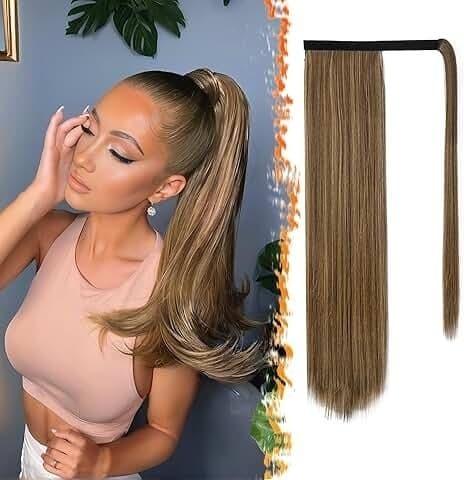
Choose gentle, skin-friendly tapes and adhesives, flexible snap clips, and breathable wig grips. Lightweight hairspray and edge-control gels help finish the look without adding weight. For anyone learning how to wear wig without wig cap, aim for breathable, hypoallergenic options to reduce irritation.
When to consult a professional
If you experience persistent discomfort, fit issues, or scalp sensitivity, consult a wig stylist or dermatologist. A professional can custom-fit your wig, sew in stabilizing elements, or recommend alternative techniques tailored to your scalp and hair profile.
Final thoughts
Wearing a wig without a wig cap is entirely achievable with careful preparation, the right tools and a few reliable tricks. Whether you prioritize comfort, breathability, or aesthetics, these strategies will help you master how to wear wig without wig cap confidently while preserving both natural hair and scalp health.
FAQ
Is it safe to wear a wig without a cap every day?
Yes, with precautions. Keep your scalp clean, rotate wig styles when possible, and avoid prolonged adhesive use without breaks. Ensure clips and pins are placed to avoid concentrated pulling.
Will my natural hair show without a cap?
If you flatten your hair properly and choose the right wig construction (lace front or monofilament), visible hair is minimized. Blending edges and using minimal baby hairs help conceal the transition.
Can I swim or exercise while wearing a wig without a cap?
Light exercise may be possible with strong anchoring (tape plus elastic), but swimming is not recommended because water can undermine adhesive and saturate natural hair. Use a swim cap for aquatic activities.
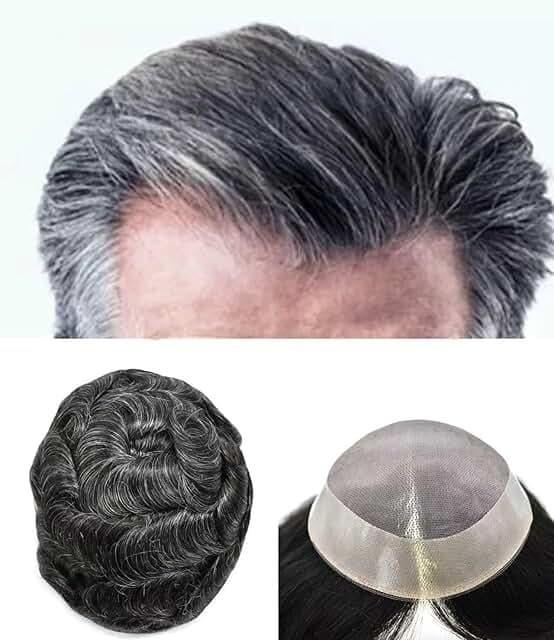
For anyone learning this technique, practice several times at home, experiment with combinations of the eight tricks above, and record what works best for your hair type and lifestyle. Mastery of how to wear wig without wig cap comes with incremental adjustments and informed product choices.
Related products
Blog
- Quick and Easy Guide on how to put on wigs properly for a natural secure fit
- how to wear wig without wig cap - 8 simple tricks to secure a natural fit
- where can i buy human hair wigs near me - local boutiques, price tips and best online alternatives
- what is half wig explained with benefits styling tips and easy maintenance for natural-looking volume
- how long is a 16 inch wig - real length revealed with photos, measurement tips and styling ideas
- why do judges wear wigs Answers history symbolism and why the tradition persists in modern courts
- do men wear wigs Exploring modern styles, myths and practical care tips for men
- did white people invent wigs A surprising history of wig origins across cultures ancient traditions and modern myths