
where do human hair wigs come from Exploring global origins quality grading and ethical sourcing for buyers
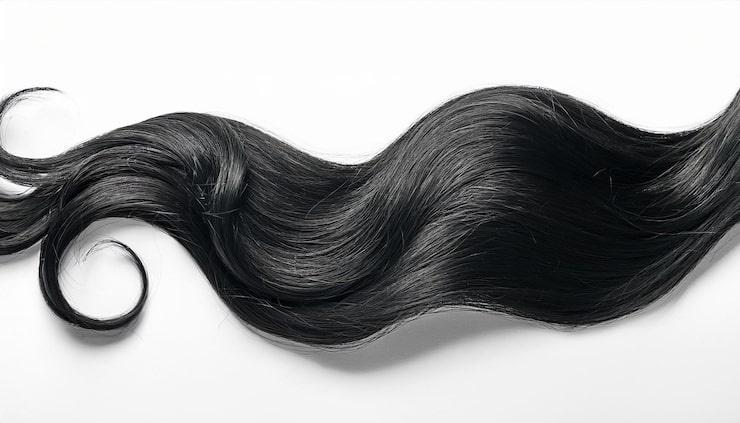
Tracing Origins: where do human hair wigs come from and why it matters
When buyers ask where do human hair wigs come from they are asking about more than geography; they are asking about supply chains, cultural practices, quality markers, and ethics. The global market for human hair is complex and driven by a variety of sources: voluntary donations, commercial sellers, temple offerings, salon waste, and specialized collectors. Understanding the provenance helps buyers make informed choices about quality, price, and social impact. This guide explores the major producing regions, explains common grading systems, outlines ethical sourcing considerations, and provides practical tips for selecting and maintaining a human-hair unit.
The main producing regions and what each contributes
Human hair originates predominantly from Asia, Eastern Europe, Latin America, and small pockets in Africa. Each region supplies hair with distinct textures, colors, and processing histories, and the geographic origin often influences how hair is graded and sold.
- India: Historically one of the largest sources of unprocessed "temple hair." Many donations from Hindu temples are sold at auction to processors and exporters. Indian hair often features natural dark shades and fine to medium strands that accept chemical processing well.
- China: A major hub for collection and processing. Chinese factories process both domestic donors and imported raw hair into finished products. Large-scale industrial processing can produce consistent-looking stock hair, including remy and non-remy types.
- Vietnam and Malaysia/Indonesia: Sources of straight, silky hair with a smooth texture that is prized for certain wig types and extensions. Southeast Asian hair is often used for high-shine, straight styles.
- Brazil and Peru: Latin American donors offer varied textures, often richer in body and natural wave. "Brazilian" and "Peruvian" are widely used marketing terms that hint at fullness and adaptability to styling.
- Eastern Europe (Romania, Russia, Ukraine): Known for fine, lighter-colored hair that is often in demand for certain high-end markets. Eastern European hair can be more expensive due to limited supply and the appeal of lighter shades.
- Africa: Increasingly recognized for kinky and curly textures that reflect authentic Afro-textured hair patterns. Sourcing networks vary widely and require careful ethical review.
Types of human hair: raw, virgin, remy, and processed
The market uses a range of terms that reflect how hair was collected and treated. Buyers should understand these distinctions to match product claims to expectations.
- Raw hair / unprocessed: Collected with cuticles intact and not chemically altered. Raw hair tends to last longer and behaves more naturally under heat and coloring.
- Virgin hair: Hair that has not been chemically processed (no perms, dyes, or bleaches). Virgin hair can still be collected in lots from multiple donors.
- Remy hair: Cuticles are aligned in one direction and preserved during processing so tangling is minimized. Remy is a quality standard but not a guarantee of single-donor origin.
- Processed or non-remy hair: May have undergone chemical treatments or cuticles removed/realigned by factory processes. This hair can be cheaper but may tangle more and wear out faster.
- Single-donor hair: Collected from one person so color and texture are consistent. Often sold at a premium as it reduces variability in the finished wig.
Common grading systems and what they mean
Grading is not standardized globally, but the industry uses conventions that give buyers signals about quality:
- Letter grades (A, AA, AAA, etc.): Usually indicate overall quality and length; more A's often imply better condition and fewer processed fibers.
- Numeric scales (3A, 4A, 5A, 6A): Frequently used to rank remy hair — higher numbers generally mean better quality and price. Beware: labeling can be inconsistent between sellers.
- Length and density grades: Longer hair is rarer and often graded separately. Density (percentage) describes fullness relative to natural hair — common wig densities are 120%, 150%, 180%.
Practical markers of authenticity and quality
Testing a sample helps verify claims. Authentic high-quality human hair tends to:
- Have cuticles facing the same direction (remy).
- Respond well to coloring and heat without excessive breakage.
- Feel natural to the touch and show natural movement.
- Resist tangling when properly aligned and maintained.
Ethical sourcing: key issues and red flags
Where hair comes from is an ethical question as much as a logistical one. Consumers increasingly want to know whether donors were compensated fairly, whether sales involved coercion or exploitation, and how much transparency exists in the supply chain. Important considerations include:
- Temple hair: In places like India, donated hair from religious offerings is a major source of raw material. While many donations are voluntary, the sale of temple hair often involves third-party auction houses. Buyers should ask whether proceeds benefit the donating community or temple maintenance, and how funds are distributed.
- Paid donors: Some hair is collected from compensated sellers. Ethical sourcing here means fair pay, informed consent, and safe collection practices.
- Salon waste and bundled hair: Post-cut hair from salons or bundles assembled by collectors may be sold commercially. This can be a legitimate source if donors understand how their hair will be used and sellers maintain good hygiene and documentation.
- Middlemen and brokers: Many exporters operate through layers of intermediaries. Each layer can obscure origin and ethical practices. Ask for documentation and supplier audits if social responsibility matters to you.
- Forced or trafficked hair risks: Like many commodity markets, the hair trade can attract unethical actors. Red flags include extremely low prices, inconsistent product claims, and lack of verifiable origin data.
Certification, transparency, and how to ask the right questions
Because standards are uneven, buyers should request robust information before purchasing at scale. Useful questions and documents include:
- Proof of origin: country of collection, single-donor vs multiple-donor, and documentation showing donor consent.
- Processing history: whether hair was bleached, dyed, relaxed, or chemically altered.
- Quality testing: laboratory tests for tensile strength, cuticle integrity, and chemical residues.
- Third-party audits: evidence that factories comply with labor laws and safety standards.
- Fair compensation records and community benefit statements for temple-sourced hair.
Factory processing: what buyers need to know
After collection, hair often passes through sorting, washing, dyeing, chemical treatments, wefting, and packaging. Each step affects final quality and performance:
- Sorting: Hair is grouped by color, length, and texture. Poor sorting leads to uneven bundles that wear differently.
- Washing and sanitizing: High-quality production follows strict cleaning protocols to remove oils, dirt, and pathogens.
- Chemical processes: Bleaching and dyeing are common but can shorten hair lifespan if overused. Buyers should request commodity-specific care instructions.
- Wefting: Machine-sewn wefts are cheaper; hand-tied or hand-sewn wefts can be finer and lie flatter but cost more.
Manufacturing variations: lace types, caps, and constructions
Wig construction influences comfort and realism. Key variations include:
- Full lace vs lace front: Full lace wigs offer versatility but higher cost; lace fronts give a natural hairline at lower price points.
- Monofilament tops: Provide realistic parting but may raise cost.
- Cap sizing and adjustability: A proper fit extends wearability and reduces stress on the hairline.
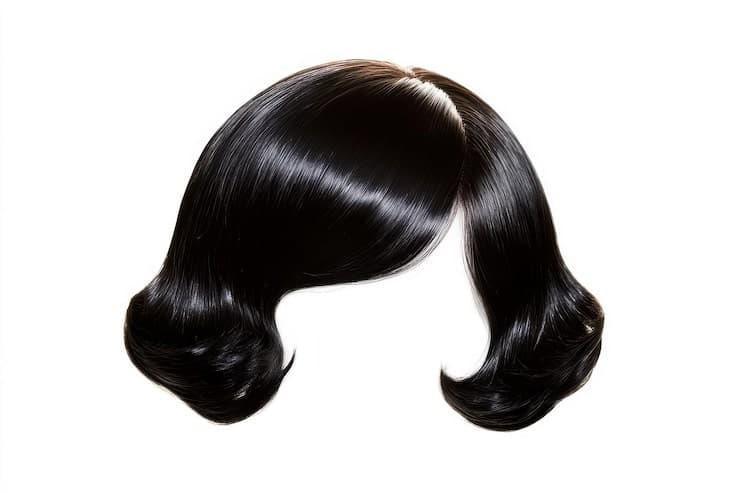
Price vs value: decoding cost signals
Price can be a clue to origin and quality but is not definitive. High prices often correlate with single-donor, virgin, remy hair sourced ethically, processed minimally, and handcrafted into wigs. Low prices sometimes indicate mixed-donor hair, heavy chemical processing, or opaque sourcing. Smart buyers weigh cost, provenance, processing history, and seller transparency.
Practical buying tips for consumers and wholesalers

Whether you are an individual shopper or a bulk purchaser, follow these guidelines:
- Ask for clear origin statements and documentation.
- Request samples or small test orders to validate claims.
- Prioritize sellers who disclose processing steps and provide care instructions.
- Consider single-donor or raw hair if longevity and styling flexibility matter most.
- For textured or ethnic-specific hair, seek suppliers specializing in those textures to ensure authentic sourcing.
Caring for your human hair wig to extend lifespan
Maintenance plays a major role in how long a wig remains attractive and functional. Basic care tips include:
- Use sulfate-free shampoos and moisturizing conditioners.
- Avoid excessive heat; use heat-protectant products when styling.
- Store on a wig stand to maintain shape and reduce tangling.
- Follow color-safe protocols if the hair has been dyed or highlighted.
Environmental and social responsibility: long-term considerations
Sustainable sourcing in the hair industry includes reducing chemical waste from processing, ensuring fair labor practices in factories, and improving transparency across the supply chain. Brands that invest in traceability, community benefits, and safer processing are becoming more attractive to conscious consumers. Certifications and independent audits help, but informed questioning by buyers remains essential.
How marketplaces and technology are changing provenance tracking
Innovations such as blockchain for supply chain tracking and digital traceability platforms can document the journey from donor to finished wig. These tools help differentiate ethical suppliers and reduce the risk of fraud. While adoption is uneven, early movers in the industry are using technology to build trust and add value.
Counterfeit and misleading claims: common pitfalls
Because demand for high-quality human hair is robust, misleading claims are common. Watch for:
- Labels that imply single-donor or virgin status without proof.
- Generic terms like "Brazilian" or "Peruvian" used as marketing without verifiable origin.
- Overuse of high-grade labels (e.g., "6A Remy") with inconsistent performance.
- Extremely low prices that undercut market rates for genuinely high-quality hair.

Summary checklist: what to verify before you buy
To summarize, ask for or verify the following before purchasing human-hair wigs:
- Documented origin and donor type.
- Processing history and chemical treatments.
- Weft and cap construction details.
- Grade definitions and sample tests.
- Evidence of fair compensation and ethical sourcing practices.
SEO highlight: key phrase emphasis
Prospective buyers searching online often use the question where do human hair wigs come from as a primary query. Optimized product pages and informative supplier content should repeat this key phrase naturally, include origin-specific metadata (e.g., "Indian temple hair," "single-donor remy hair"), and offer detailed transparency statements to improve search relevance and user trust.
Final recommendations for conscientious buyers
When deciding where to buy, prioritize transparency, request small trial orders if unsure, and build long-term supplier relationships based on documented practices. Whether your priority is longevity, natural look, or budget, a combination of clear origin data, honest grading claims, and ethical sourcing measures will help you make a smart purchase.
FAQ
- Q: Can I tell origin by looking at the hair?
- A: Sometimes texture, thickness, and natural coloration provide clues, but visual inspection alone is unreliable. Request documentation or samples.
- Q: Is remy hair always ethically sourced?
- A: No. "Remy" refers to cuticle alignment, not sourcing practices. Ask for provenance and labor standards separately.
- Q: Do temple-donated hairs mean donors were unpaid?
- A: Not necessarily. Donors gave hair as an offering; temples often sell hair and use proceeds locally, but transparency varies. Verify how funds are handled if ethics matter to you.
Related products
Blog
- does kaitlin olson wear a wig - uncovering the truth about her hair and styling choices
- Fact check does trump wear a wig — expert analysis, photo evidence and the truth behind the rumor
- Quick guide on how to revive a wig and restore natural bounce in 7 easy steps
- did emilia clarke wear a wig - the truth revealed about her Game of Thrones hairstyles
- How to style synthetic wig with 9 heatless hacks and pro tips
- what is density in wigs explained and how to choose the right density for a natural look
- Top Picks - where to buy wigs online and in store for quality and savings
- does billy crystal wear a wig Fact Check with Photos Stylist Insights and Celebrity Hair Secrets