
can you dye wigs at home and which dyes work best for synthetic and human hair
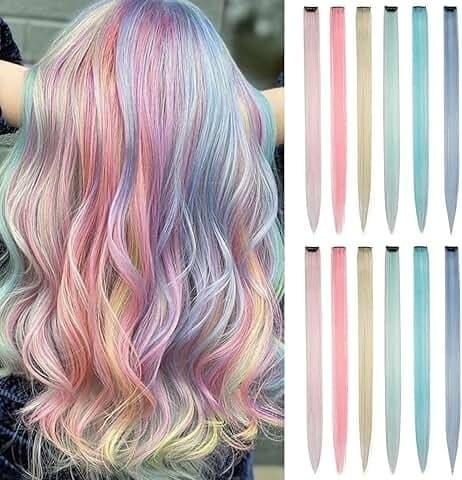
Understanding the question: can you dye wigs and what that really means
If you've ever asked "can you dye wigs" you're not alone — many people wonder whether altering a wig's color at home is practical, safe, and worth the effort. This comprehensive guide explores how to approach dyeing both synthetic and human hair wigs, what products work best, step-by-step methods, common pitfalls, and professional alternatives. Whether you're a cosplay enthusiast, someone refreshing an older piece, or a stylist experimenting with color on a budget, this article will give you the knowledge to make smart choices and achieve predictable results.
Key considerations before you begin
Before attempting to dye wigs, evaluate four essential factors: base material (synthetic vs human hair), current color and whether it has been previously dyed, the desired result (subtle tone change vs dramatic transformation), and the wig's construction (monofilament, lace front, machine-made). These factors determine the viability of dyeing and help you choose appropriate dyes and techniques. Remember that the phrase can you dye wigs is a starting point — the precise answer depends on material and method.
Is dyeing possible for all wig types?
Short answer: no. Not every wig can be dyed successfully. Human hair wigs can generally be colored similarly to natural hair, while synthetic wigs require specialized approaches. Attempting to use regular permanent hair dye on synthetic fibers can damage the wig and yield unpredictable results. In contrast, human hair wigs accept most salon dyes and are often the safest option when you want more color flexibility.
Which dyes work best for human hair wigs?
Human hair wigs can be treated much like natural hair; however, because they are often more expensive and sometimes processed, use caution. The following dye types are commonly used:
- Permanent hair dyes: These penetrate the hair shaft, producing long-lasting color. They are suitable for human hair wigs if you are experienced or working with a stylist. Use ammonia-free or low-ammonia formulas when possible to reduce damage.
- Semi-permanent dyes: These deposit color on the surface and gradually fade over 4–12 washes. Semi-permanent dyes are excellent for temporary changes or adding depth and tone without major commitment.
- Demipermanent/Glosses: These gentle options enhance shine and tone without dramatic lightening. They are ideal if you want to refresh color or neutralize brassiness.
- Bleach and toner: For dramatic color changes, bleaching may be necessary, but it can weaken the wig fibers if overused. Always test a small weft first and consider professional help for heavy lifting.
Best brands and products for human hair wigs
Professional salon brands (e.g., Wella, Redken, Schwarzkopf) and high-quality demi/permanent lines are recommended because they offer predictable results and color guides. For gentle color shifts, look for deposit-only or demi-permanent dyes and color depositing conditioners. Use sulfate-free, color-safe shampoos and conditioners designed for treated hair.
Which dyes work best for synthetic wigs?
Synthetic fibers are manufactured from polymers (like kanekalon or toyokalon) and don't have a natural cuticle or cortex like human hair, so they don't absorb traditional hair dyes. However, you do have options:
- Fabric dyes (Rit DyeMore® for synthetics): Specifically formulated for synthetic materials, these dyes can change color but often require boiling or high temperatures and can produce uneven coverage. Excellent for polyester-type fibers when handled carefully.
- Alcohol-based markers & inks: For small sections, ombre effects, or highlights, using alcohol-based dyes (Sharpie-style art markers or specialized textile inks) can add color. These methods are suited for controlled, creative effects rather than full-head color changes.
- Specialized wig dyes: Some brands sell dyes or color sprays meant for synthetic wigs, often in the form of color-depositing shampoos, rinses, or sprays. These are the safest way to alter tone without risking fiber damage.
- Heat transfer or nylon spray paints: Rarely recommended because they can stiffen fibers or alter texture. Use as a last resort for costume pieces where feel isn't a priority.
Important notes for synthetic fibers
Always determine the fiber type: kanekalon and toyokalon react differently to heat and dye. Synthetic wigs are often heat-sensitive and may melt or become frizzy under high-temperature dyeing methods. Low-temperature approaches (cold dyes, fabric paints, or color depositing products) are safer. Test a small, hidden strand (near the nape or inside weft) before committing to a full application.
Preparing your wig for dyeing
Preparation affects the final outcome. Follow these steps for both human hair and synthetic wigs:
- Clean the wig: Remove styling products and dirt with a gentle, clarifying shampoo. Residue can block dye absorption, especially for human hair.
- Dry and detangle: Pat dry with a microfiber towel and gently detangle with a wide-tooth comb starting from the tips.
- Perform a strand test: Always test dye on an inconspicuous area to assess color uptake and fiber reaction.
- Protect the cap and hardware: Use plastic wrap or a disposable cap to prevent dye from staining the interior lace, elastics, or clips.
Mixing and color planning
Decide whether you'll be coloring the entire wig or just creating accents. For human hair wigs, refer to color swatches and use color theory principles (e.g., neutralizing brassy tones with blue/violet toners). For synthetic wigs, plan for either a uniform dye job with Rit DyeMore or targeted application using markers or fabric paints.
Step-by-step: Dyeing human hair wigs at home
Follow this detailed process to dye a human hair wig safely:
- Work in a well-ventilated area and wear gloves.
- Secure the wig on a wig stand or mannequin head for stability.
- Mix dye per manufacturer instructions, considering developer strength. Use lower volume developers (10–20 vol) to reduce damage when possible.
- Apply dye section by section using an applicator brush; process evenly and avoid overlapping previously colored areas to prevent banding.
- Monitor processing time closely; human hair wigs may process faster or slower than natural hair depending on previous treatments.
- Rinse thoroughly with cool water until runoff is clear, then use a color-safe conditioner to restore moisture.
- Air-dry on a wig stand and avoid excessive heat styling immediately after dyeing.
Step-by-step: Dyeing synthetic wigs (safe methods)
For synthetic wigs, choose a recommended approach and follow these instructions:
Method A — Rit DyeMore for synthetics (warm-bath method)
- Read and follow all safety instructions on the Rit DyeMore package.
- Heat water to a temperature specified by the dye instructions — usually near boiling — but be aware some synthetic fibers can deform; perform strand test first.
- Stir dye into the pot until dissolved, then submerge the wig or wig sections, moving constantly for even color uptake.
- Rinse in cool water until water runs clear, then condition with a synthetic-friendly conditioner, and lay flat to dry.
Method B — Cold application with alcohol-based inks or sprays
- Place the wig on a stand and protect surrounding surfaces.
- Work in thin sections, applying color with an airbrush, spray, or brush for controlled coverage.
- Layer color gradually; allow each layer to dry to judge final depth.
- Seal with a fabric sealant or wig-friendly product to reduce transfer and maintain color.
Color correction and blending techniques

For human hair wigs, use glosses or toners to adjust unwanted hues after dyeing. For synthetic wigs, blending two different products (for example, a spray color followed by subtle marker details) can create dimension without harsh transitions. Highlights on synthetic fibers are best applied with thin strokes using dye pens or airbrushing to mimic natural hair variation.
Aftercare: Protecting your investment
No matter the material, aftercare extends the life of your colored wig:
- Use sulfate-free, color-safe shampoos and conditioners for human hair wigs.
- Avoid hot water and high-heat styling; use heat protectants if you must style with tools.
- Store wigs on a stand away from direct sunlight to prevent fading.
- For synthetic wigs, use wig-specific conditioners and avoid heat unless the fiber is heat-resistant and labeled as such.
- Minimize friction (e.g., hats, rough collars) to reduce color loss and frizz.
Common mistakes and how to avoid them
Aim to sidestep these frequent errors:
- Skipping a strand test — this is the single most important step.
- Using hair-color intended for natural hair on synthetic fibers.
- Overprocessing bleached human hair wigs without adequate bonding treatments.
- Neglecting aftercare products designed for color-treated wigs.
When to consult a professional
If you're attempting a major color lift, vivid fantasy hues, or working with costly human-hair units, consult a professional colorist. They can use techniques like balayage, foiling, and professional lighteners to achieve consistent results while minimizing damage.
Safety considerations and environmental tips
Always handle dyes and chemicals with gloves and adequate ventilation. Dispose of dye baths and used solutions according to local regulations — avoid pouring large amounts of concentrated dye down household drains. When using alcohol-based inks or aerosol sprays, work outdoors or with proper respiratory protection to minimize inhalation.
Quick-reference summary: can you dye wigs?
The answer to can you dye wigs is nuanced: yes for human hair wigs using salon-grade dyes and techniques, and conditionally yes for synthetic wigs using specialty dyes, fabric dyes formulated for synthetics, or surface-level color methods. Success depends on the material, chosen dye, preparation, and aftercare.
Examples of creative dye projects
Consider these practical and creative ideas tailored to different wig materials:
- Human hair wig: Subtle balayage to add depth without full-head bleaching.
- Synthetic wig: Ombre using Rit DyeMore in a controlled warm-bath application for costume use.
- Synthetic wig accent: Bright streaks applied with alcohol-based markers for cosplay characters.
- Human hair wig: Toning brassiness with demi-permanent violet gloss for neutralized blonde.
SEO tips for documenting your dyeing process
If you're publishing a tutorial, include clear step-by-step headings, photos of before/after, and mention the phrase can you dye wigs in H2/H3 tags and early in the first paragraph to improve discoverability. Use internal links to related posts (e.g., wig care, heat styling tips) and external links to trusted product pages or manufacturer instructions. Optimize image alt text with descriptive phrases like "dyeing human hair wig step 3" or "test strand synthetic wig color".
FAQ
A1: Dyeing a wig darker is generally easier than lightening. Human hair wigs can be colored darker comfortably, while lightening requires bleaching and is more risky. For synthetic wigs, darkening with Rit DyeMore or surface sprays is possible; lightening synthetic fibers is typically not feasible without replacing the fibers.
A2: If done improperly, dyeing can damage a wig — especially human hair that has been chemically processed or synthetic fibers sensitive to heat. Minimize risk by performing strand tests, using proper products, and avoiding excessive processing.
A3: Use color-safe shampoos, avoid prolonged sun exposure, store properly, and limit heat styling. For human hair, periodic gloss treatments refresh tone; for synthetic wigs, color-depositing conditioners and gentle handling preserve pigment.
A4: Some semi-permanent and deposit-only dyes avoid harsh chemicals; Rit DyeMore has concentrated formulas that require careful disposal. For minimal environmental impact, prefer small-batch surface dyes and avoid frequent full re-dyes.
Final takeaway: can you dye wigs — yes, but the method and product choice must match the wig's fiber type and your desired result. Plan carefully, test first, and prioritize gentle, color-safe products to protect your investment and achieve the look you want.
Related products
Blog
- Ultimate Guide to Colors of Wigs - How to Match Shades to Your Skin Tone and Style
- why do blacks wear wigs Exploring why Black people choose wigs for culture fashion identity and haircare
- does gwen stefani wear a wig Revealed Stylist Insights Photo Evidence and the Truth Behind Her Iconic Hair
- man wigs guide 2025 - Choosing the Best man wigs for Every Age and Lifestyle
- what is a low density wig explained in depth a complete guide to lightweight natural volume benefits care and styling tips
- Best Wig Shop Guide 2025 Top Picks and Styling Tips from a Trusted wig shop for Natural Looks
- hard wig soft life guide to bold hair styling and peaceful daily routines
- Why Did Judges Wear Wigs A Brief History and the Surprising Reasons Behind the Tradition