
How to care for a human hair wig step by step expert tips for washing styling storage and seasonal maintenance

Expert guide: practical steps on how to care for a human hair wig
If you own human hair wigs, you want them to look natural, soft and last as long as possible. This comprehensive guide explains, step by step, how to care for a human hair wig from daily upkeep to seasonal storage, combining professional tips, product suggestions, and troubleshooting. Use this as a reference for washing, styling, storage, and maintenance to keep your investment in top condition.
Why proper care matters
Human hair wigs are made from real hair fibers that react to water, heat and products much like natural hair. Proper maintenance not only preserves appearance and texture but also prevents shedding, tangling and premature wear. Learning how to care for a human hair wig helps you avoid common mistakes and prolongs the life of the piece.
Overview: routine, weekly, and professional care
- Daily care: gentle brushing, minimal product, protecting at night.
- Weekly care: light cleansing if worn daily, conditioner touch-ups.
- Monthly/professional: deep conditioning, trims, color correction or professional steaming.
Step-by-step washing routine
Preparation before washing
Gather a wide-tooth comb, sulfate-free wig shampoo, moisturizing conditioner or deep treatment designed for human hair, a microfiber towel, and a wig stand or mannequin head for drying. Detangle the wig gently from the ends upward to the cap, removing any knots. If the wig has styling build-up (heat protectants, gel), consider a clarifying wash once every 4–8 weeks.
How to wash a human hair wig
- Fill a basin with cool to lukewarm water. Hot water can alter the cuticle and shorten the wig lifespan. The temperature should be comfortable to the touch.
- Add shampoo sparingly. Use a mild, sulfate-free cleanser formulated for color- or keratin-treated hair. Swirl to disperse — do not rub the wig or agitate forcefully.
- Submerge & soak for 3–5 minutes. Gently move the wig in the water, letting the shampoo lift dirt and oils. Avoid scrubbing the hair against itself to prevent tangling.
- Rinse thoroughly under running cool water until the water runs clear. Ensure no residue remains in the base or lace area.
- Apply conditioner from mid-shaft to ends, avoiding the cap or root area to prevent loosening the knots. Leave 3–10 minutes depending on dryness.
- Rinse with cool water and if desired, finish with a diluted leave-in conditioner spray for easier detangling.
Drying tips
Gently blot excess water with a microfiber towel — do not wring. Place the wig on a wig stand to dry in a well-ventilated area out of direct sunlight. For faster drying, use a blow dryer on low heat with a heat-protectant applied, but air drying is gentler and recommended whenever possible. Avoid placing a wet human hair wig on a mannequin head wrapped in towels; allow airflow around the cap to speed evaporative drying.
Detangling and brushing
Use a wide-tooth comb or a brush designed for wigs. Start from the tips and work upward. For curly wigs, detangle with fingers or a very wide-tooth comb to maintain the natural curl pattern. Never brush a wet curly wig vigorously — apply a leave-in conditioner and detangle carefully.
Styling: heat, products, and methods
Human hair wigs tolerate heat styling but should be treated like high-quality hair. Apply a quality heat protectant before using flat irons, curling wands or hot rollers. Keep heat settings moderate — usually under 350–380°F (177–193°C) for prolonged life. For textured styles, consider steam or flex rods to avoid repeated high-heat exposure.
- Flat ironing: Use a ceramic plate iron at low to medium heat and pass quickly.
- Curling: Use a clipless wand with a heat-protectant spray, avoiding direct contact with the wig cap.
- Blowouts: Use a nozzle and medium heat; finish with a cool shot to set style.
Coloring and chemical services
While human hair wigs can be dyed, bleached, or chemically treated, these services should be performed by an experienced colorist familiar with wigs. Lighter colors and bleaching can damage cuticles if done excessively. A professional will recommend bonding treatments and protein/mask routines post-color to restore strength and shine.
Deep conditioning and protein balance
Alternate moisturizing treatments with protein-based masks. Overly moisturized hair without protein can become limp; too much protein can feel stiff. Aim for balance: if the hair is porous and frizzy, use a moisturizing mask every 2–4 weeks; use protein treatments sparingly to rebuild structure after chemical services.

Cap and lace maintenance
Care for the base: keep the lace clean of adhesives by using alcohol-free adhesive removers and cleaning gently with a cotton pad. If you use tapes or glue frequently, deep-clean the lace monthly to avoid product build-up and skin oils that compromise adhesion. For caps with internal combs or clips, check hardware monthly and replace if rusted or bent to prevent damage to the wig fibers.
Adhesives, tapes, and attachment care
Rotate adhesive types when possible to reduce scalp irritation. Use specialized adhesive removers to detach the wig without pulling fibers. After removal, cleanse the lace and edge areas thoroughly and allow them to dry completely before reapplication.
Everyday protection and wearing tips
- Avoid sleeping in everyday wear: unless you use a silk bonnet or sleep on a satin pillowcase, night friction will cause tangling and breakage.
- Use low-tension styling: tight ponytails or frequent high-tension braids can stress the hairline and cap.
- Weather protection: wind and humidity can tangle and frizz. Use anti-humidity sprays sparingly and secure the wig in strong wind.
Storage solutions and travel
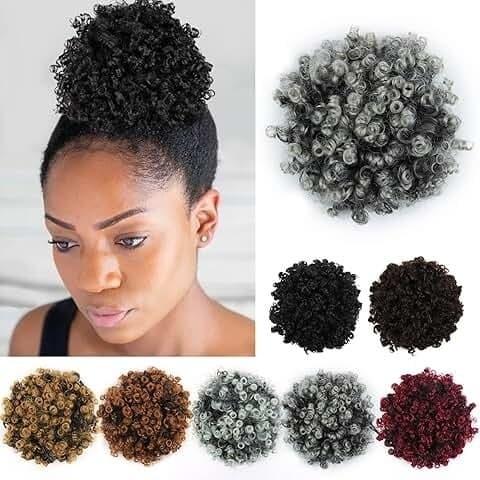
When not in use, store your wig on a wig stand to maintain shape and allow airflow. For travel, place the wig in a breathable pouch or a structured travel case; gently fold with tissue paper inside to preserve curls or style. Avoid stuffing the wig into tight bags or backpacks where it will crush. For long-term storage across seasons, use a breathable storage box with acid-free tissue and a moisture-absorbing packet in humid climates.
Seasonal maintenance
Seasonal factors affect human hair wigs differently. In summer, increased sweat and UV exposure require more frequent light cleanses, UV protection sprays, and sunscreen for wigs. In winter, indoor heating can dry the hair; increase moisturizing treatments and avoid overuse of hot tools. Monitor moisture-protein balance based on climate changes.
Common mistakes to avoid
- Using strong shampoos with sulfates frequently.
- Brushing aggressively when wet.
- Leaving the wig in direct sun for prolonged periods.
- Applying heavy oils and silicones at the roots (this loosens knots).
Professional maintenance and repairs
For lace re-tightening, ventilating (re-knotting), color correction, or cap repairs, consult a professional wig technician. Regular trims every 6–12 months keep ends healthy; a subtle reshaping refreshes the look without losing length. Professionals can also reline or replace inner caps if the fit becomes loose.
Troubleshooting: tangles, shedding, and dullness
If you experience puzzling tangles at the nape, review cap fit and friction from collars. Shedding can indicate old lace, weak knots, or mechanical stress; consider gentle reinforcement or professional re-knotting. Loss of luster is often from product residue — clarifying once in a while plus a deep conditioning mask restores shine.
Recommended tools and products
Keep a toolkit: wide-tooth comb, boar/nylon blend brush for smooth finish, heat protectant spray, sulfate-free shampoo, silicone-free conditioner, weekly deep mask, clarifying shampoo for occasional use, wig stand, satin storage bag, and a small sewing kit for quick cap fixes.
Step-by-step quick checklist for daily and weekly care
- Daily: gently brush, inspect hairline, wipe lace with alcohol-free wipes if needed.
- After heavy sweating or oily buildup: do a light wash within 24–48 hours.
- Weekly (if worn regularly): conditioning mist and detangling; deep condition biweekly to monthly depending on wear frequency.
- Monthly: inspect cap, clean lace, and deep-condition mask.
Cost vs. care: why investing time matters
High-quality human hair wigs are a long-term purchase. Routine maintenance costs (specialty products and occasional professional service) are small compared with the price of replacement. Proper care preserves the investment and keeps the wig looking natural and wearable.
Personalization and styling longevity
When you custom-style a wig (cutting, coloring, or perming), the aftercare requirements change. Keep a record of the services performed and the products used so you can tailor the maintenance routine. Some stylists provide aftercare instructions specific to the processes they used — follow them closely for best results.
Quick tips for specific scenarios
- If living in a humid area: anti-frizz light sprays and silk lining reduce surface frizz.
- For active lifestyles: consider a sport-specific cap, and wash the wig more frequently with gentle cleansers.
- For frequent heat styling: opt for lower heat settings and deeper conditioning treatments monthly.
How to monitor lifespan and know when to replace
Signs it's time for a new human hair wig: persistent tangling despite care, thinning hair density, irreparable cap damage, or frequent shedding beyond repair. With excellent care a high-quality wig can last a year or more with daily wear and several years if worn occasionally and properly maintained.
Eco-conscious care and product choices
Choose biodegradable or cruelty-free products when possible, and avoid overuse of single-use adhesive strips. Reuse satin pouches and responsibly recycle packaging. Gentle formulations extend the life of the fibers and reduce environmental impact.
Checklist: do's and don'ts
| Do | Don't |
|---|---|
| Use heat protectants | Use high heat frequently |
| Store on a stand | Store in crumpled bags |
| Detangle from tips upward | Brush aggressively when wet |
Final professional tips
Rotate multiple wigs if you can to reduce wear on any single piece. Keep records of products and styling methods that worked best, and schedule professional maintenance annually. When in doubt, consult a specialist for color work or structural repairs.
Wrapping up
Learning how to care for a human hair wig is about developing a consistent routine that respects the wig’s natural properties: gentle handling, appropriate cleansing, balanced conditioning and careful heat use. Apply the step-by-step methods outlined here and adjust frequency based on wear patterns, environment, and personal styling choices.
FAQ
How often should I wash my human hair wig?
Wash frequency depends on use: if worn daily, consider washing every 7–14 days; if worn occasionally, wash after every 10–15 wears or when product/soil buildup is visible.
Can I sleep with a human hair wig on?
Sleeping in a wig increases friction and tangling. If you must, sleep with a satin bonnet and tie hair loosely, or use a satin pillowcase to reduce damage.
Is it okay to color my wig at home?
Minor color adjustments can work at home with semi-permanent dyes, but bleaching or major color changes should be done by a professional to avoid irreversible fiber damage.
By following these detailed steps and adopting a careful, informed approach you will dramatically extend the life and beauty of your human hair wigs, ensuring they remain one of your best style investments. Remember to balance moisturizing and protein treatments, minimize unnecessary heat, and store your pieces correctly for long-term wear and satisfaction.
Related products
Blog
- Quick Step by Step Tutorial on how to put a wig cap on for Beginners and Pros
- Clip On Wigs Buying Guide 2025 Best Materials, Styling Tips and How to Care for Them
- does reba mcentire wear wigs Revealed The truth behind the hairstyle rumors with photos expert commentary and timeline
- Easy step-by-step tips on how to put lace front wig for a natural, secure fit and long-lasting wear
- do you have to wear a wig cap practical answers for beginners styling tips and scalp care
- Understanding is a toupee a wig and Why It Matters When Choosing a Hairpiece
- why do lawyers wear wigs — surprising history, symbolism and how the practice survives in modern courts
- Best Donald Trump Wig Buying Guide and Styling Tips to Achieve a Realistic Donald Trump Wig Look