
How to Keep Wig on Head Securely All Day Without Pins or Glue Practical Tips
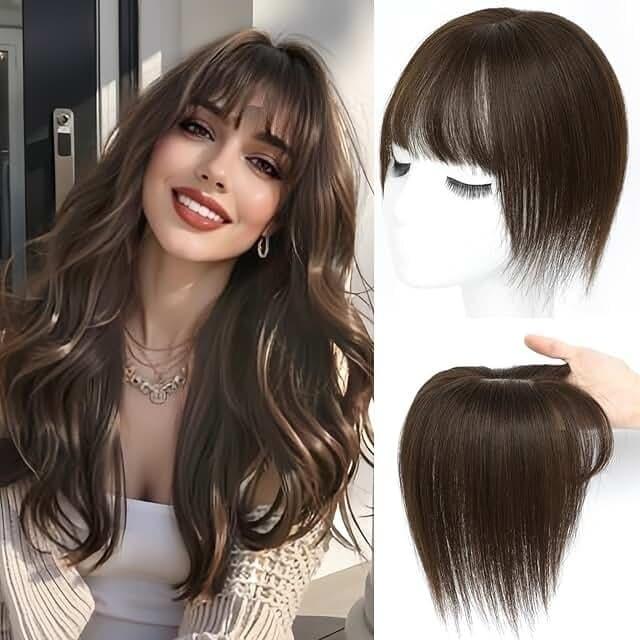
Practical Guide: Secure Your Wig with Confidence
If you've ever wondered how to keep wig on head without relying on pins or glue, you're not alone. Many people seek comfortable, durable solutions that keep a wig in place all day while protecting natural hair and scalp health. This comprehensive guide explains multiple methods, gives step-by-step instructions, and offers troubleshooting tips so you can enjoy a secure fit regardless of activity level. Read on for tested approaches that blend comfort, style, and security.
Why a Secure Fit Matters
Understanding why stability matters helps you choose the right techniques. A slip-free wig improves confidence, prevents damage to natural hair, and reduces the need for constant readjustment. When learning how to keep wig on head, consider factors like head shape, hair density, wig cap type, and planned activities such as exercising or commuting. Addressing these variables makes the difference between a temporary fix and an all-day solution.
Key Factors That Affect Wig Security
- Cap fit — A wig that matches your head circumference and crown height grips naturally better.
- Base material — Lace fronts, monofilament tops, and full lace caps sit differently.
- Natural hair — Short hair, shaved heads, and cornrows provide different anchoring options.
- Activity level — Wind, movement, and perspiration can loosen an otherwise secure fit.
Preparation: The Foundation of Stability
Before focusing on accessories, prep your own hair and scalp. Clean, dry hair and scalp improve grip. If you have long hair, braid it in flat cornrows or twist it low and lay it close to the head. For short hair, a wig cap is often enough; for fine or oily hair, consider a thin scalp powder or a touch of dry shampoo to reduce slip.
Step-by-Step Prep Routine
- Measure your head for the right wig size: circumference, front hairline to nape, and ear to ear.
- Wash and dry hair and scalp to remove oils that reduce traction.
- Braid or flatten hair where possible; use soft elastic bands to avoid bulk.
- Apply a breathable wig cap to create a smooth, even surface.
Non-Glue, Non-Pin Solutions That Work
Here are multiple practical options to keep a wig secure without adhesives or bobby pins. Each method has pros and cons depending on lifestyle and wig type.
1. Wig Grips and Band Straps
Wig grips are soft, often velvet-lined bands that sit around the hairline beneath the wig. They use friction to hold the wig in place and are a top pick for those asking how to keep wig on head without chemicals. Wig grips are adjustable, comfortable overnight, and easy to wear during workouts. Band straps are sewn into many wigs; tightening straps at the nape can dramatically improve fit but can cause pressure if overtightened.
2. Adjustable Elastic Bands Sewn Into the Cap
Sewn elastic bands, sometimes called “wig cushions” or "security bands," can be attached inside the wig (near the nape or ears) to hug the skull snugly. This is a favorite for natural-looking security because it distributes tension evenly and prevents the wig from shifting forward or side-to-side.
3. Silicone Wig Bands and No-Slip Strips
Invisible silicone strips or thin no-slip tapes specifically made for wigs add extra hold without adhesives. They are usually hypoallergenic and are placed between the cap and the scalp at the hairline. These strips are a compromise between convenience and skin sensitivity—check for reactions first.
4. Elastic "Adjuster" Methods (Wearable)
Some people loop a thin elastic band from ear to ear under the wig and over the top of the head (inside the wig cap). This is discreet and effective for active days; however, ensure elasticity is breathable and not causing pressure headaches.
5. Headbands, Scarves and Fashion Accessories
Stylish headbands and elastic scarves can anchor the front hairline and add a fashionable touch while preventing forward slip. Use wide, non-slip headbands for the best traction when you must avoid glue and pins.
Choosing the Right Wig Type to Minimize Movement
Some wig constructions naturally stay put better than others. For example, full lace wigs can be breathable but may require extra anchoring at the nape, whereas full-cap machine-made wigs with built-in adjustable straps often fit snugly by design. If you frequently ask yourself how to keep wig on head during sporty activities, look for wigs labeled "secure fit," "sweat-proof cap," or those designed for active lifestyles.
Wig Cap Types: Pros and Cons
- Monofilament: Natural movement but may need extra anchoring.
- Lace Front: Natural hairline; secure but sometimes lightweight.
- 360 Lace: Offers multiple anchoring points around the perimeter.
- Machine-Made/Traditional Cap: Often snug, budget-friendly, and stable.
Techniques for Application Without Glue or Pins
Applying a wig correctly sets the stage for stability. These steps work across different wigs and hair types:
- Put on a fitted wig cap—this reduces bulk and provides friction.
- Place the wig starting from the nape and roll it forward until the ear tabs align and the front matches your natural hairline.
- Adjust internal straps or band to a snug but comfortable tension.
- Add a wig grip or silicone strip if needed; press gently to ensure contact.
- Style edges with a soft brush or your fingers to finalize the look.
Daily Maintenance and Practical Tips
Routine care keeps both the wig and your scalp comfortable while maintaining security. Clean the wig regularly according to the manufacturer's instructions; oils and product buildup reduce friction and can cause slipping. Store wigs on a stand or mannequin head to maintain shape. Replace worn straps, elastic bands, and grips—the most secure system can weaken if components age.
Quick Fixes for Midday Slippage
- Use a small, discreet scarf or headband to temporarily hold the front.
- Adjust the internal straps and smooth the cap down; sometimes a tiny shift solves it.
- Carry a travel-sized dry shampoo to reduce scalp oil that causes sliding.
Exercise, Weather, and Sleep Considerations
Active lifestyles require extra attention. For workouts, choose a snug cap and a moisture-wicking wig grip. On windy days, add a scarf or low-profile headband. For sleeping, either remove the wig or use a soft silk scarf to minimize friction; continuous wear overnight isn’t recommended for synthetic wigs and can reduce longevity.
Swimming and Wet Conditions
If you plan to be in water, use specially designed swim caps or secure the wig with a sports-style elastic band. Many wigs are not designed for swimming; check materials and manufacturer guidance.
Scalp Health: The Long-Term View
A secure wig shouldn’t compromise scalp health. Avoid overly tight straps and heavy non-breathable solutions that trap moisture and encourage irritation. If you experience itching, redness, or hair loss, reassess the products used and consult a dermatologist or trichologist. Maintaining a clean, moisturized scalp supports better adhesion and reduces the risk of slipping caused by flaking or oiliness.
Troubleshooting Common Problems
Here are answers to typical issues when learning how to keep wig on head without adhesive:
Wig Keeps Sliding Back
Check strap tightness and placement of the wig cap. Adding a silicone strip at the forehead or using a wig grip often corrects backward slip.
Wig Feels Too Tight
If straps dig in, loosen them slightly and use a wider wig grip to distribute pressure. A pressure-relieving foam strip along the nape can also help.
Edges Lift at the Temples
Short braids or low-profile tape alternatives can secure temple areas; otherwise, a discreet headband works well.
Advanced Options and Professional Solutions
For complex needs—such as medical hair loss or daily heavy-duty activity—consult a wig technician. Custom-fitted wigs, sewn-in elasticized bands, and pre-made 360-degree lace with internal reinforcements provide long-term stability and natural appearance. Professionals can also add discreet combs sewn into the cap if pins are acceptable in limited use.
Materials and Products to Consider
When selecting products to help you answer how to keep wig on head, opt for reputable, hypoallergenic, breathable materials. Velvet wig grips, silicone strips marketed for wigs, and adjustable elastics from established wig brands tend to perform best. Avoid improvised tapes or adhesives not designed for skin contact.
Cost and Convenience: Finding Balance
Most non-adhesive solutions are affordable and reusable. Wig grips, elastic bands, and headbands can range from economical to premium. Weigh comfort and longevity: a slightly more expensive wig grip may last longer and protect your wig better than multiple cheaper replacements.
Personalization: Tailoring the Fit to You
Everyone’s head is unique—small adjustments matter. Trim excess bulk at the nape, reposition ear tabs slightly with a professional's help, or add thin foam pads in specific spots for improved contact. Trial and error will reveal the most comfortable configuration for your lifestyle.
Summary Checklist: Before You Leave the House
- Measure and secure internal straps.
- Confirm wig sits at the natural hairline.
- Use a wig grip or silicone strip for extra hold.
- Test movement with head turns and light jogging.
- Carry a small headband or scarf for emergency touch-ups.
Final Thoughts
Learning multiple answers to how to keep wig on head without relying on pins or glue empowers you to choose solutions based on comfort, activity, and aesthetic needs. Prioritize scalp health, invest in quality accessories, and don’t shy away from professional help when customization is needed. With the right prep and products, your wig can feel natural and remain secure through a full day of errands, work, or exercise.
Additional Resources
Look for tutorials from certified wig stylists, reviews of wig grips and bands, and user testimonials that match your hair and activity profile. Many wig companies offer customer support to help you choose the right cap type and accessories for a secure fit.
FAQ
Q: Can I keep a wig on all day without glue?
A: Yes. Many people use a combination of a properly fitted wig cap, adjustable internal straps, and a wig grip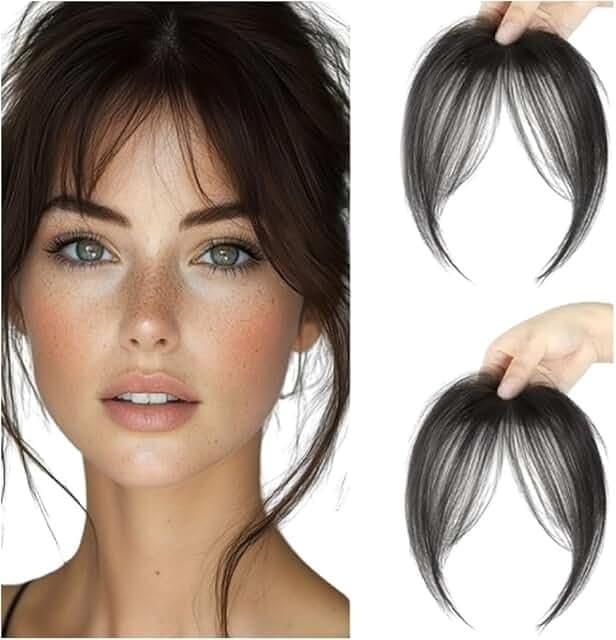 or silicone strip to achieve all-day hold without glue. Choose breathable, non-irritating materials and adjust tension for comfort.
Q: What is the best non-adhesive solution for active lifestyles?
A: For sports and heavy movement, lightweight elastic bands sewn into the wig and a moisture-wicking wig grip usually provide reliable hold. Test the setup at home first to ensure no pressure points or slipping.
Q: Is it safe to wear a wig overnight?
A: It's generally recommended to remove wigs before sleeping to let the scalp breathe and to prevent tangling. If you must sleep in a wig, use a soft silk scarf to reduce friction and tension, and avoid overly tight straps.
Related products
Blog
- how do you make a lace front wig look natural - 10 easy pro tips to blend the hairline and style for realism
- How to Put a Wig Cap On Step-by-Step Guide for Beginners to Get a Secure Comfortable Fit
- How to Wash Human Hair Wig Step by Step for Long Lasting Shine and Softness
- can you use hairspray on a synthetic wig - expert stylist tips, safe products and how to avoid damage
- does target have wigs Find out which stores and online options carry wigs plus styles, prices and shopping tips
- What Does Glueless Wig Mean and How to Wear, Secure, and Style It - Essential Guide for Beginners
- do most black women wear wigs Exploring how common wigs are reasons behind the trend and what surveys reveal
- 2025 Best Water Wave Wig Buying and Care Guide for Natural Texture and Long Lasting Style