
how to straighten a cheap wig - step by step guide for smooth, damage free results on synthetic and human hair

Practical, step-by-step guidance on how to straighten a cheap wig safely
If you own an inexpensive wig and want a sleek, straight look without wrecking the fibers, this extended guide walks you through every stage, from preparation to finishing touches. Whether your piece is synthetic or human hair, knowing the right tools, temperatures, products and techniques is essential. This article focuses on actionable, easy-to-follow steps, common pitfalls, and long-term care so your wig stays smooth, shiny and wearable for many uses.
Overview: Why technique matters for low-cost wigs
Cheap wigs often use lower-grade fibers, tighter weft constructions, and less resilient heat tolerance. That means the same force or temperature you use on premium human-hair wigs can easily melt synthetic strands or dry and frizz low-quality human hair. The goal when you learn how to straighten a cheap wig is to achieve a polished finish while minimizing structural damage and preserving the cap and hairline. This guide covers both heat and heatless approaches so you can choose the safest option for your specific wig.
Tools and supplies you’ll need
- Wide-tooth comb and a loop brush or a soft paddle brush for wigs
- Detangling spray or lightweight leave-in conditioner (water-based for synthetics)
- Heat protectant spray formulated for wigs or human hair (use specifically for synthetics if labeled)
- High-quality flat iron with adjustable temperature (ceramic or titanium plates)
- Steamer (optional, excellent for synthetic fibers that respond to steam)
- Mannequin head or wig stand and straight pins to secure the wig
- Fine-tooth tail comb for parting and smoothing
- Microfiber towel and gentle shampoo & conditioner for washing
- Low-heat blow dryer with concentrator nozzle (for human-hair wigs)
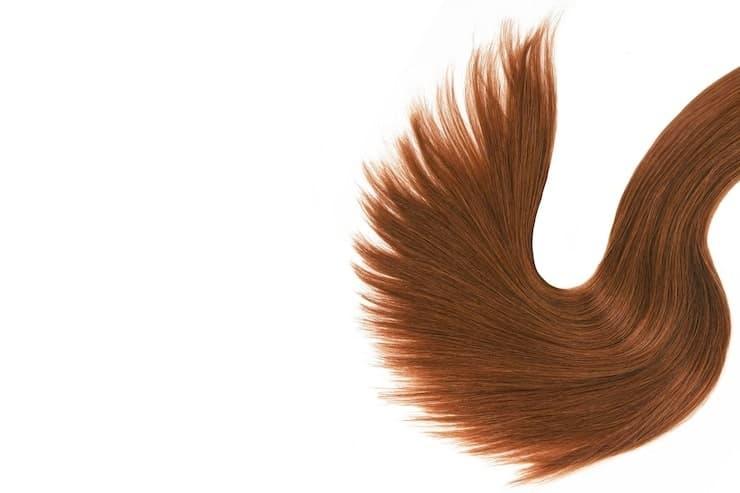
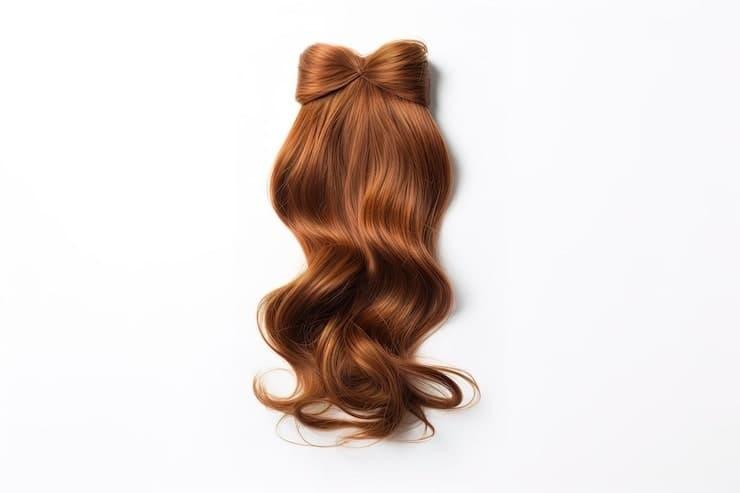
Is heat safe for your wig? Identifying the fiber type
Before attempting to straighten, determine whether the wig is synthetic, human hair, or heat-resistant synthetic. Many cheap wigs are non-heat-friendly synthetics that will melt when exposed to flat irons. To test, take a single hidden strand and hold it near a low-heat flat iron for a half-second; if it curls, puffs, or smells like plastic, stop — it’s not heat-safe. For human-hair wigs, check the label or seller description. When in doubt, assume lower temperature settings and use steam rather than direct dry heat.
Quick fiber-identification tips
- Synthetic: often lighter, holds a manufactured sheen, and quickly returns to original curl after light steam.
- Heat-resistant synthetic: labeled “heat friendly” and can usually handle low temperatures (≤ 300°F / 150°C).
- Human hair: absorbs products like real hair, becomes heavier when wet, and has a natural luster.
Step-by-step: Preparation (absolutely crucial)
Preparation reduces friction and the chance of breakage. Start by placing the wig on a mannequin head and securing it with T-pins so it doesn’t shift. Gently detangle from the ends upward using a wide-tooth comb. Do not rip tangles; patience preserves the wefts and hair quality. If the wig is dirty, wash it with a gentle wig shampoo, rinse with cool water, and apply a light conditioner (for human hair use a regular conditioning routine). Pat dry with a microfiber towel; avoid rubbing. For synthetics, follow the manufacturer’s washing guide — often a gentle hand wash is best. Always fully detangle while damp and let the wig air-dry on the stand until it’s about 80% dry before using heat.
Heatless straightening methods (best first option)
Using heatless methods is the safest way to learn how to straighten a cheap wig, especially for synthetics. These techniques reduce risk and can last multiple days.
- Steam smoothing: Use a handheld steamer 8–12 inches from the wig, moving in slow passes. Immediately comb through with a soft brush while the fibers are warm to stretch and smooth them. Steam is less aggressive than direct iron contact and often works on heat-friendly synthetics.
- Wrap-and-pin: For short to medium lengths, brush hair flat around the head, wrap it, and secure pins. Allow the wig to set overnight. This method is gentle and creates very natural-looking straightness.
- Tension setting: Gently stretch small sections using clipped tension or specialized straightening clips when the wig is slightly damp. Air-dry fully in tension for a straighter fall.
Using heat safely: best practices
If the wig is heat-tolerant (human hair or labeled heat-friendly), you can use a flat iron, but with deliberate caution. Follow these rules: keep temperatures low, work in very small sections, use a heat protectant, and shorten contact time.
- Temperature guide: Human hair: 250–350°F (120–180°C) for low-quality human hair; higher-end human hair can tolerate 370–420°F (190–215°C) but avoid maximum temps. Heat-friendly synthetic: keep below 300°F (150°C). Non-heat synthetics: do not use iron.
- Plate type: Ceramic plates give more even heat, reducing hot spots; titanium heats quickly and should be used at lower settings for cheap wigs.
- Sectioning: work with 1/4–1/2 inch sections. Thinner sections mean less heat per strand and a better result.
- Speed: glide the iron slowly but steadily; avoid repeated passes. One or two smooth passes per small section is usually enough.
Step-by-step flat-iron method
- Apply a lightweight heat protectant sprayed from 8–10 inches away for even coverage.
- Comb each small section to remove tangles and align fibers.
- Set the iron to the lowest effective temperature for your fiber type.
- Clamp the iron just above the roots and glide down in one continuous movement. If the wig has a lace front, avoid direct pressure at the hairline to protect the lace.
- Repeat for all sections. After finishing, lightly mist a silicone-based serum or shine spray (sparingly) to add gloss and reduce static.
Extra tips for human-hair wigs
For human-hair wigs, a pre-blow dry with a concentrator and round brush can produce a straighter base before using a flat iron. Always follow with a smoothing product suited to human hair (avoid those that can weigh down synthetic fibers).
Common mistakes and how to avoid them
- Applying too much heat: always start low—cheap fibers burn fast.
- Skipping the heat-protectant: this is a vital barrier that reduces cuticle damage.
- Working on a tangled wig: detangle first to prevent pulling and uneven straightening.
- Using large sections: big sections need more passes and expose fibers to repeated heat; opt for small sections instead.
- Over-conditioning synthetics: heavy oils can make synthetic hair look greasy and weigh it down, so use water-based conditioning sprays for synthetics.
How to maintain straightened wigs
Maintenance helps prolong the effect of your straightening session. Store the wig on a stand or in a breathable bag to avoid kinks. Sleep with a satin bonnet if you wear the wig to bed. For synthetic wigs, refresh with a quick steam or a light detangling spray; avoid excess product. For human hair, a light moisturizer or anti-frizz serum keeps strands smooth—use sparingly to prevent buildup at the roots and lace area.
Weekly care checklist
- Brush gently before and after wear.
- Wash monthly or as needed, depending on frequency of use and product buildup.
- Deep-condition human-hair wigs occasionally to restore moisture lost from heat styling.
Troubleshooting specific problems
If the wig becomes frizzy after straightening, try a low-heat steam pass and a soft brush while warm. Melted synthetic fibers are usually irreversible—trim damaged ends or consult a wig specialist for repair or replacement of sections. If the hairline or lace shows signs of stress, reduce pinning tension and avoid clamping hot tools near the lace.
Budget-friendly upgrades to improve results
Investing in one or two better tools can dramatically improve outcomes even for cheap wigs: a quality flat iron with precise temp control and a good handheld steamer cost less than multiple replacements. A breathable wig stand and a few hair care sprays made for wigs can preserve the piece and make straightening faster and safer.
When to see a professional
When the wig is expensive, holds sentimental value, or you notice structural damage to the cap or lace, a professional wig stylist can restyle and repair without risking further harm. Also consider pro services for color corrections or major cuts.
Quick-reference cheat sheet: how to straighten a cheap wig
| Wig type | Preferred method | Max temp (if heat tolerant) |
| Synthetic (non-heat) | Steam / wrap / tension | Do not iron |
| Heat-friendly synthetic | Low-temp flat iron / steam | ≤ 300°F (150°C) |
| Human hair (cheap) | Blow-dry + low-temp iron | 250–350°F (120–180°C) |
Finishing touches for a salon-like look
After straightening, create a natural fall by slightly bending the ends with the iron or curling the mid-lengths inward for movement. Use a light, non-greasy shine spray held 10–12 inches away. For lace fronts, lay the edges carefully with minimal product to avoid buildup that weakens the lace.
Cost-effective product recommendations
- Heat protectant: choose a lightweight, alcohol-free spray labeled safe for wigs when possible.
- Anti-static spray: helpful on synthetic fibers to keep hair from frizzing.
- Wig shampoos and conditioners: use gentle, sulfate-free products designed for wigs or color-treated hair.
Long-term care strategies
Rotate between several wigs if you wear them often; this reduces the number of styling sessions each wig endures. Deep-condition human-hair wigs occasionally and refresh synthetic wigs with regular steam smoothing instead of daily heat. Keep wigs out of direct sunlight for long periods to avoid fading and fiber degradation.
Environment and safety considerations
Always work in a well-ventilated area when using heated styling tools or sprays. Use heat mats to protect surfaces and avoid leaving tools unattended. If you’re using steam, avoid over-saturating the cap which can loosen adhesives on lace-front wigs.
Summary: practical strategy to straighten without damage
In short, how to straighten a cheap wig depends on fiber type and patience: favor heatless techniques when possible, verify heat tolerance before using irons, protect fibers with appropriate products, and work in small sections at low temperatures. With proper prep, careful technique, and routine maintenance, you can get smooth, presentable results from inexpensive wigs without sacrificing their lifespan.
Frequently asked questions
Q: Can I straighten a cheap synthetic wig with a flat iron?
A: Only if the synthetic is labeled heat-friendly and you use a very low setting (≤300°F / 150°C). If there is any doubt, use steam or heatless methods to avoid melting.
Q: How often can I straighten a cheap human-hair wig?
A: Limit heat styling to preserve the wig’s lifespan. Aim for no more than once a week and always use a quality heat protectant. Rotate wearing with other wigs to reduce cumulative heat exposure.
Q: My wig smells like plastic after testing heat — what now?
A: That indicates synthetic melting or damage. Stop using heat, trim the affected fibers if small, and avoid applying more heat. For extensive damage, consult a wig technician or consider replacing the wig.
Careful technique and the right tools make a dramatic difference when learning how to straighten a cheap wig. Whether you choose heatless methods, steam smoothing, or careful flat-ironing, these steps will help you achieve a smooth finish while protecting the fibers and extending the wearable life of your wig.
Related products
Blog
- can i put my wig in the dryer Tips and expert advice for synthetic and human hair wigs to avoid damage
- How to Make a Lace Frontal Wig at Home with Easy Step by Step Instructions and Pro Tips
- does sally beauty sell wigs? Honest answers on brands, prices and where to buy
- How to Put on a Wig for Beginners Practical Step by Step Guide for a Natural Secure Fit
- Why the a fall from grace wig meme Went Viral and What It Means for Internet Culture
- Is Princess Kate Wearing a Wig - Hair Experts Reveal the Truth Behind Royal Styling and Viral Photos
- does target have wigs Find out which stores and online options carry wigs plus styles, prices and shopping tips
- how to pluck lace wig step by step for a natural hairline and professional finish