
how to wear your hair under a wig - step by step guide to secure, flat and natural styling
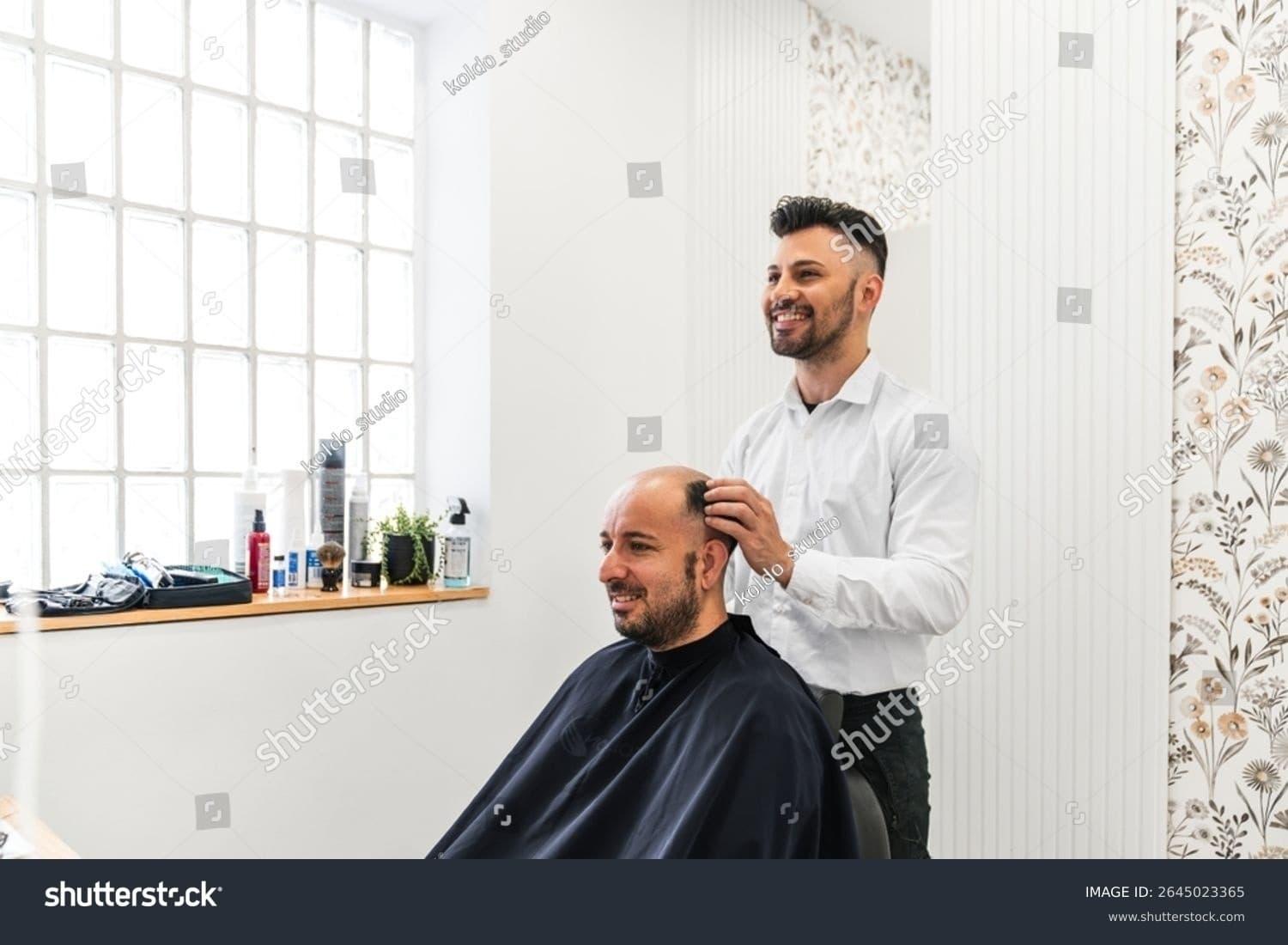
Practical guide: how to wear your hair under a wig for a flat, secure and natural look
Wearing a wig can transform your appearance instantly, but the secret to a believable finish is how you prepare and position your own hair underneath. This comprehensive article explores step-by-step techniques, tools, and pro tips focused on how to wear your hair under a wig so it sits flat, feels comfortable, and looks natural. Whether you have short hair, long hair, thick curls, or fine strands, these methods will help you create a smooth foundation that supports any wig cap, lace front, or machine-made unit.
Why the base matters: the importance of flat hair under a wig
Before we dive into step-by-step instructions, understand why the foundation matters. Uneven, bulky, or unsecured natural hair can create visible bumps, cause wig slippage, or make the hairline look unnatural. Learning how to wear your hair under a wig properly reduces tension, enhances longevity for both the wig and your edges, and improves comfort. Good preparation also helps with breathability and reduces the need for constant adjustments.
Essential tools and supplies
- Wide-tooth comb and fine-tooth comb
- Soft bristle brush
- Elastic hair ties (no-metal)
- Non-slip wig caps and breathable caps
- Bobby pins and hairpins
- Hair gel or edge control for smoothing
- Silk or satin scarf for tying down
- Grip strip or wig tape (optional)
- Foam wig head or styrofoam stand for prepping the wig
- Needle and thread if you plan to sew wefts or secure a wig band
General preparation steps (works for all hair lengths)
- Wash and condition hair: Clean hair gives a smooth surface. Use a hydrating conditioner and detangle gently with a wide-tooth comb.
- Dry fully: Damp hair under a wig can cause discomfort and odor; air dry or use low heat until hair is completely dry.
- Detangle & section: Use a brush to remove knots. Section hair according to the styling method you're going to use (flat braids, twists, pinning, etc.).
Method A — Flat cornrows for medium to long hair
Cornrows create an extremely flat surface and are ideal for long or medium hair. This is one of the most reliable answers to how to wear your hair under a wig when you need durability and longevity.
Steps
- Divide hair into even sections according to the wig cap area (usually front to back rows).
- Braid each section tightly but not so tight that circulation is restricted. Keep braids close to the scalp.
- Secure ends with small elastic bands. Tuck ends underneath the braids or pin them flat against the scalp to avoid bulk.
- Wear a snug wig cap over the cornrows; tie down with a satin scarf for 10–15 minutes for extra flattening.
Method B — Flat twists for textured or curly hair
For natural or curly textures, flat twists can be gentler than braids and still provide a flat foundation. Use lightweight products to reduce frizz before twisting.
Steps
- Part hair into sections, apply a small amount of styling cream or edge control to reduce flyaways.
- Create two-strand flat twists along the scalp, keeping them tight enough to be flat but comfortable.
- Tuck and pin the twist ends beneath the remaining hairline and cover with a wig cap.
Method C — Low bun or flattened ponytail for short to medium hair

Shorter hair can be streamlined into a low-profile bun or flattened ponytail.
Steps
- Gather hair at the nape of the neck using a smoothing gel for hold.
- Create a low ponytail and twist into a tight, flat bun. Secure with hairpins.
- Wrap a satin tie around the head to press the bun down for 10–20 minutes before placing the wig cap.
Method D — Pinning and tucking for very short hair
Very short or pixie cuts require a different approach. The goal is to create an even base without visible edges.
Steps
- Comb hair forward in small sections, apply a small amount of edge control or smoothing cream.
- Use strong-hold bobby pins to flatten hair towards the nape or tuck it under in neat rows.
- Put on a non-slip wig cap and smooth with a satin scarf to set everything in place.
Choosing the right wig cap
Not all caps are created equal. A quality cap can be breathable, snug, and help distribute tension. For how to wear your hair under a wig effectively, consider the following options:
- Mesh caps — breathable and good for thicker hair.
- Stocking caps — create a smooth base for lace fronts and full lace wigs.
- Double-layer caps — add volume control for very bulky hair.
Step-by-step wig application guide
Once your hair is flattened using one of the methods above, follow these steps to put on the wig properly:
- Check wig fit: Adjust internal straps or sew in an elastic band for a snug fit.
- Put on the cap: Position it so the front edge matches your natural hairline if wearing lace front. Smooth the cap to avoid wrinkles.
- Apply glue/tape only if needed: For lace front wearers, cleanse the hairline with alcohol, apply a thin strip of adhesive, and press the lace gently.
- Position the wig: Start from front to back, align ear tabs, and secure with wig combs or bobby pins if necessary.
- Style edges: Use edge control to blend baby hairs or a small amount of concealer along the part to mimic a natural scalp.
Advanced tips for a natural hairline and part
Imitating the illusion of natural scalp is a key SEO-focus element if you write about how to wear your hair under a wig online. These styling pointers will help:
- Pluck carefully: If customizing lace, pluck strands gradually to avoid over-thinning.
- Bleach knots: For lace front wigs, lightening knots can reduce visibility at the hairline.
- Use powder or foundation: Matching a powder to your skin tone and applying a thin layer to the part or lace can make it look more realistic.
- Create baby hairs: Trim and style a few short pieces at the front to frame the face.
How to protect your natural hair while wearing wigs
Protective care while wearing wigs is critical. Here are routine recommendations:
- Keep hair moisturized: Use leave-in conditioners or lightweight oils sparingly under the wig.
- Avoid constant tension: Don’t make braids or buns excessively tight to prevent traction alopecia.
- Give your scalp breaks: Take off wigs nightly when possible, or rotate wigs to allow the scalp to breathe.
- Clean your scalp: Shampoo and exfoliate the scalp every 1–2 weeks depending on oil and product buildup.
Special scenarios
For chemo or medical hair loss
Those experiencing hair loss need gentleness and comfort. Soft nylon caps, hypoallergenic adhesives, and lightweight wigs lessen irritation. When describing how to wear your hair under a wig for medical needs, emphasize skin-friendly materials and consultation with a clinician.
For active lifestyles and sports
Secure methods like sewn-in elastic bands, wig grips, and small hidden pins are perfect for high-movement situations. Consider shorter wig styles to reduce wind resistance.
For fashion styling and part experimentation
Want a different part every day? Use a wig with a multi-directional part or cut multiple parting holes into the cap to swap middle, side, or deep parts without changing the foundation beneath.
Troubleshooting common problems
Bumps and lumps under the wig
Solution: Identify the source (loose braid ends, thick ponytail) and re-tuck or redo the base. A satin scarf tied tight for 10–20 minutes helps most flattening issues.
Wig slipping
Solution: Use an adjustable strap, wig grip, or reposition bobby pins. Ensure braids are not too slippery—add a small amount of hairspray to reduce slippage.
Visible lace or unnatural part
Solution: Try lace tint, concealer matching your skin tone, or re-bleach knots carefully. Baby hairs and light foundation in the part help create realism.
Maintenance: keeping both wig and natural hair healthy
Rotate wigs to reduce constant friction on the same scalp area. Wash wigs per manufacturer instructions and store on a stand. For natural hair, deep condition weekly and avoid heavy product buildup under caps.
Quick checklist: what to do before putting on any wig
- Detangle and smooth hair
- Choose the appropriate flattened style (braids, twists, bun, pinning)
- Apply moisture but allow hair to dry fully
- Place a clean wig cap and tie with a satin scarf
- Adjust wig interior and secure edges
How to adapt techniques by hair type
Fine or thin hair
Fine hair is easier to flatten but needs volume control. Use lightweight gel, avoid heavy oils under the cap, and consider a thin wig cap that won’t slip.
Thick or coarse hair
Thicker hair benefits from multiple smaller braids rather than a few bulky ones. Use breathable caps and consider a compression cap for large density.
Long hair
Long hair should be braided or twisted and then coiled and pinned to avoid bulk at the nape. Place the coil flat and then cover with the cap.
Styling the wig after application
Once the wig is secure, style using heat tools if the wig allows it, or use rollers and steam. Trim the lace and customize the hairline to suit your face shape.
Commonly asked considerations when teaching others
When advising friends or writing content on how to wear your hair under a wig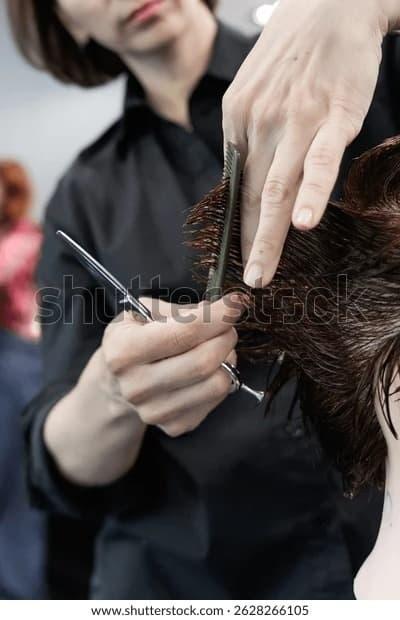 , highlight comfort, scalp health, and realistic appearance. Encourage experimentation with different base techniques to find the method that best suits hair texture and lifestyle.
Final thoughts
Mastering how to wear your hair under a wig is a combination of careful preparation, the right tools, and practice. By using a technique suited to your hair type and taking steps to secure and flatten your hair properly, you’ll achieve a natural-looking wig fit that’s comfortable and long-lasting. Keep records of what works, and slowly refine methods: every head and wig is unique, so customization is part of the process.
Extra pro tips
- Label wigs with the method that works best for each one so you don't repeat trial and error.
- Use a thin, wide elastic sewn inside the wig for extra security without adhesives.
- Keep a small travel kit with pins, a scarf, and a cap for quick re-adjustments.
If you want to explore more techniques or seek visual tutorials, look for step-by-step videos showing flat braid, twist, and bun methods that complement this written guide on how to wear your hair under a wig.
FAQ
How often should I wash my hair when wearing wigs?
Answer: Aim to wash your natural hair every 7–14 days depending on oiliness and product buildup. Scalp cleansing frequency can be adjusted to personal needs; always moisturize and avoid heavy products that can transfer to the wig cap.
Can I sleep in a wig and still protect my hair?
Answer: It's best to remove your wig at night to allow your scalp to breathe, but if you must sleep in it, use a silk or satin pillowcase, and ensure the wig is not overly tight. Consider a looser cap or a mesh cap for night wear.
Will wearing a wig damage my edges?
Answer: If wigs are too tight, or braided too close for long periods, traction can damage edges. Use gentler, looser foundation styles, alternate wig types, and give your edges breaks to reduce risk.
Related products
Blog
- how to wear a wig with long hair Step by step styling and secure fit tips for a natural flawless look
- how to make a wig look natural at the hairline - 9 pro styling tips for seamless edges
- When was wigs invented and how their styles transformed fashion across centuries
- why did lyle hernandez wear a wig Revealed Surprising reasons behind his choice and how fans reacted
- how to claim wigs through insurance Step-by-Step Checklist and Documentation Tips for 2025
- how to moisturize human hair wig at home 7 easy deep conditioning tips for silky soft strands
- did john wayne wear a wig? Uncover surprising facts, photos and behind the scenes styling details
- Simple Ways how to attach a lace front wig without glue using tape bands combs and elastic for a natural secure fit