
how to melt lace wig without glue - 7 easy heatless tricks for a seamless natural hairline
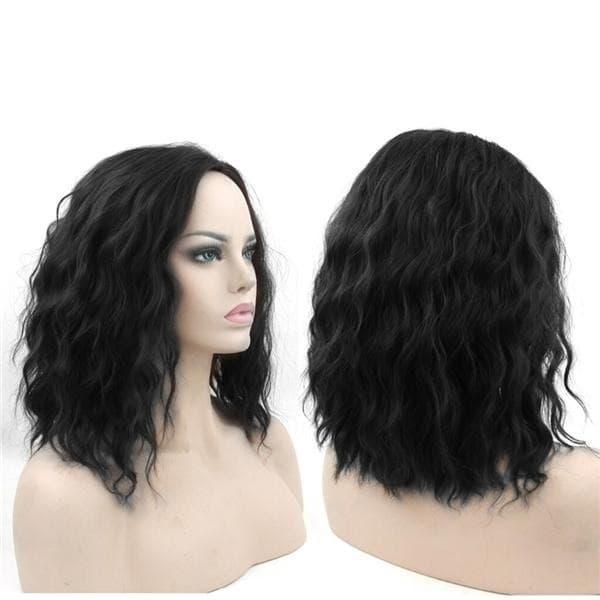
Mastering a Natural Hairline: Simple Methods to Melt Lace Without Glue
If you've been searching online for how to melt lace wig without glue, you're in the right place. This comprehensive guide explores practical, heat-free ways to create a seamless, realistic hairline that looks like scalp-grown hair. We'll walk through materials, seven heatless techniques, step-by-step instructions, troubleshooting tips, and maintenance strategies so you can achieve a pro finish without relying on adhesives. Whether you're new to wigs or a styling enthusiast, these options give you flexibility, safety, and longevity while protecting delicate lace and natural edges.
Why consider methods of melting lace without glue?
Many wig wearers want a flawless hairline but are wary of adhesives due to skin sensitivity, residue buildup, time-consuming removal, or the risk of damaging lace and hair fibers. Learning how to melt lace wig without glue empowers you to get a natural look with safer alternatives that are reusable, affordable, and often quicker to adjust. This guide emphasizes non-adhesive approaches — ideal for beginners, protective styling, or anyone who prefers heatless routines.
Important precautions before you begin
- Always clean both your skin and the wig lace to remove oils and dust. Use a gentle alcohol-free cleanser on skin and a soft brush for lace.
- Test any product on a small section of lace or the underside of the wig to ensure no discoloration or fiber damage.
- Protect your natural hairline: if your edges are fragile, avoid tight glue-like bonds and choose less-tension solutions.
- Work in a well-lit area with a mirror and secure tools close by: wig cap, tail comb, elastic band, mousse, bobby pins, silk scarf.
Materials and tools commonly used in heatless melting
Below is a list of frequently used items you'll want nearby. Having the right tools increases your success rate when learning how to melt lace wig without glue.
- Elastic wig band or adjustable strap (wide, breathable)
- Wig cap (thin skull cap or stocking cap)
- Hair mousse or lightweight setting foam (alcohol-free preferred)
- Hair gel / hair wax stick for baby-hair shaping (optional)
- Rat-tail comb and a soft toothbrush for blending
- Bobby pins, wig clips, and small sewn-in combs for secure anchoring
- Silk or satin scarf for setting
- Edge control or light-hold spray for finishing
Heatless technique 1 — The Elastic Band Method (Beginner Friendly)
The elastic band (or wig grip) is one of the most reliable ways to flatten the lace against your skin without adhesive. It creates consistent pressure along the perimeter so the lace sits flush and appears "melted."
Steps:
1) Place a thin wig cap over your hair and adjust it smoothly.
2) Secure the wig on your head with combs or clips, positioning the lace hairline where you want it.
3) Wrap an elastic band or wide wig grip around your head, aligned with the hairline. Tighten until comfortable but snug.
4) Use a bit of mousse under the lace and along the hairline to reduce slipping and to help blend the lace.
5) Leave the elastic band on for 15–45 minutes for the lace and hairs to settle; then remove and style edges.
This method is excellent for everyday wear and encourages the how to melt lace wig without glue effect by physical pressure rather than chemical bonding.
Heatless technique 2 — Baby Hair Sculpting and Blending
Creating wispy baby hairs and strategically plucking the frontal can dramatically enhance a melted look without glue. This technique focuses on styling instead of bond strength.
Steps:
1) Lightly pluck the front hairline of the lace on a mannequin head in small sections for a natural density.
2) Apply a small amount of lightweight mousse or gel to the hairline and use a toothbrush to lay baby hairs.
3) Use strokes that mimic natural growth patterns — avoid perfectly straight lines.
4) Secure the hairline with a silk scarf for about 10–20 minutes to set style.
Combined with a wig grip or inner clips, this styling trick boosts realism and helps you achieve how to melt lace wig without glue results without adhesives.
Heatless technique 3 — Strategic Plucking + Bleaching Knots (Gentle Approach)
For many, the illusion of melted lace comes from translucency at the knot level. While bleaching knots involves chemicals, it's a one-time or occasional process that can be done carefully to improve the appearance of the lace.
Steps:
1) Pluck the hairline slightly to create soft density transitions.
2) If you choose to bleach knots, do so sparingly and with protective measures. Rinse thoroughly and neutralize.
3) After knot treatment, use powder foundation or a small amount of concealer matched to your skin beneath the lace to reduce contrast.
4) Finish with light styling and a wig band to allow settling.
Although this method touches on chemical treatment, combined with non-adhesive anchoring it helps answer the question how to melt lace wig without glue while preserving a natural scalp appearance.
Heatless technique 4 — Scalp-Colored Base and Powdering
One of the most subtle ways to melt lace without glue is to prepare a scalp-colored base under the lace and set it with powder.
Steps:
1) Wear a thin wig cap or apply a skin-tone powder directly to the scalp and under the lace (test product safety first).
2) Place the wig and carefully match the hairline so the lace meets the powdered base seamlessly.
3) Lightly dust translucent or skin-tone powder on top of the lace to reduce sheen and visibility.
4) Use a soft brush to blend outward; then secure with inner combs.
This method is particularly useful for lighter lace types and works well in tandem with elastic bands and baby hair styling to achieve a melted look while avoiding adhesives.
Heatless technique 5 — Built-in Combs, Clips, and Sewn Straps
Mechanical anchoring can provide long-lasting hold without glue. Consider customizing your wig for daily life.
Steps:
1) Add sewn-in combs or small snap clips inside the wig cap where you prefer stability.
2) Use adjustable straps sewn into the nape for tension control.
3) Make sure combs are positioned to avoid pulling natural hair. If you have thin hair, focus on strap support rather than combs.
When combined with styling tricks like mousse and baby hair, this approach makes how to melt lace wig without glue a practical, low-maintenance routine for many wearers.
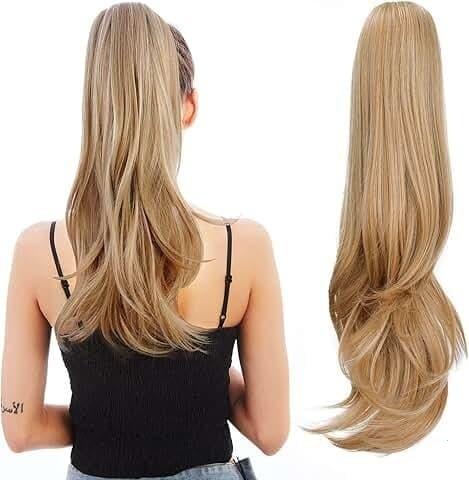
Heatless technique 6 — Tape-Compatible Alternatives: Micro Hooks & Wig Tape Placement
If you're avoiding liquid glue but still want an adhesive-level hold, low-tack double-sided wig tape and micro-hooks (small sewn-in loops that connect to discreet anchors) are an option to consider. While technically adhesives, many tapes are removable and created for sensitive skin.
Steps:
1) Use thin wig tape strips only at the center of the hairline where lift is most likely.
2) Press tape onto clean skin for 10 seconds before attaching lace.
3) Keep a repair kit for tape removal and residue cleaning; do not overuse.
Pairing tape with elastic bands reduces the required tape area and minimizes skin exposure, aligning with the principle of achieving a "melted" aesthetic without heavy glue use.
Heatless technique 7 — Layered Scarves and Light Compression Setting
A time-tested method is setting the wig with layered scarves and controlled compression to help the lace conform to the skin.
Steps:
1) Place the wig and style the hairline; then wrap a silk or satin scarf around the perimeter, smoothing as you go.
2) Apply even pressure — not overly tight — and let the scarf sit for 20–60 minutes.
3) Remove and check the hairline; touch in with mousse and tiny brush strokes where necessary.
This is a low-risk method that helps seal in the look and supports the idea of how to melt lace wig without glue by using mechanical and styling forces instead of chemical bonds.
Combining techniques for best results
No single approach is perfect for everyone; most professional stylists combine methods. For instance, you might use the elastic band method for pressure, create baby hairs for detail work, add a scalp-colored base to reduce contrast, and secure with internal clips for daily wear. This hybrid approach balances comfort, durability, and natural appearance while avoiding glue-related risks.
Troubleshooting common issues
- If the lace still lifts at the temples: check underlying hair bulk; add a thin foam or padding behind the lace to even tension and use extra inner clips.
- If the hairline looks too dense or unnatural: remove and pluck small areas or use light thinning shears.
- If products leave a white residue: switch to alcohol-free, sulfate-free styling products and use a soft brush to blend.
- If your scalp becomes itchy: rotate wigs, clean regularly, and consider hypoallergenic wig caps.

Maintenance tips to extend your melted look
Preserving a glued-like hairline without adhesives depends on care.
- Clean your lace gently using specialized wig shampoo and lukewarm water.
- Avoid excessive oils directly under the lace; use powder instead of heavy creams.
- Re-adjust the elastic band or straps daily rather than forcing strong anchors that stress hair.
- Store your wig on a mannequin head or stand to maintain shape and pre-style permanent baby hair if you prefer.
These habits help sustain the how to melt lace wig without glue finish for longer, saving time and preventing wear.
Styling and finishing touches
Small details elevate realism: softening the part with light concealer, creating irregularities along the hairline, and using matte finishes keep the lace undetectable. For deep part wigs, sprinkle a tiny amount of powder in the part line. For heavy styles, use compression wraps after styling to set the hairline and reduce frizz.
Note: If you have sensitive or allergy-prone skin, consult a dermatologist before experimenting with tapes, bleaches, or new topical products.
Cost and lifestyle considerations
Most of these non-glue techniques are low-cost. Elastic bands, wigs caps, combs, and mousse are inexpensive investments. If you're a frequent wig wearer, investing time into customizing the wig with sewn straps and high-quality internal combs pays off by reducing daily setup time.
Conclusion: Natural-looking hairline without adhesive
Learning how to melt lace wig without glue is about understanding how pressure, styling, color matching, and strategic anchoring can replicate the seamless effect traditionally achieved with adhesives. Choose techniques based on your sensitivity, lifestyle, and desired maintenance level. With the seven heatless options provided — from elastic bands to baby-hair sculpting, plucking and bleaching knots, scalp-colored bases, built-in mechanical anchors, tape-compatible alternatives, and setting scarves — you have a diverse toolkit to create a realistic, glue-free hairline.
If you want to practice gradually, start with the elastic band and baby hair techniques and add complexity as you gain confidence. Keep safety, cleanliness, and gentle tension as priorities to protect both your natural hair and the wig.
how to melt lace wig without glue becomes an achievable skill when paired with patience and the right tools.
Quick reference: A condensed checklist
- Clean scalp and lace before application.
- Use a wig cap and inner clips for baseline security.
- Choose an elastic band or wig grip for immediate flattening.
- Pluck or thin the hairline to match your natural density.
- Apply mousse, powder, or concealer for blending.
- Set edges with a scarf and small setting time.
- Maintain and rotate wigs for scalp health.

FAQ
Yes. Combining an elastic band or wig grip with styling techniques like baby hair creation and scalp-colored powder can give you a daily glue-free melted appearance. For extra security, internal combs and adjustable straps help significantly.
Q2: Will bleaching knots damage my wig?If done correctly and sparingly, bleaching knots can improve realism without catastrophic damage. Always perform strand tests and avoid over-processing. Consider a professional service if unsure.
Q3: How long does a non-glue melted look typically last?Duration varies by activity and climate. With proper care, you can enjoy a realistic hairline throughout a day; for multi-day use, re-adjusting elastic bands and re-styling baby hairs each morning helps maintain the illusion.
For more advanced customization techniques or personalized recommendations based on your hair type and lifestyle, consider consulting a wig stylist who specializes in lace customization. Their expertise can shorten your learning curve and help you refine your how to melt lace wig without glue approach for consistently natural, comfortable results.
Related products
Blog
- Why Everyone Loves love me wigs and How to Find the Best Match for Your Style
- how to wash synthetic wig with fabric softener for silky results and easy care tips
- 2025 Buying Guide - are synthetic wigs good and how to choose the best one for everyday wear
- 2025 Ultimate Black Bob Wig Guide Buying Styling and Care Tips for a Chic Natural Look
- does khruangbin wear wigs and what fans can learn from the band's hairstyles
- Half Wigs 2025 Buying Guide - How to Choose, Fit and Style half wigs for Natural Volume
- Quick Step by Step Tutorial on how to put a wig cap on for Beginners and Pros
- Practical tips and quick fixes for how to untangle a cheap synthetic wig safely and without damage